

Here are today’s 8 verified tech & science stories, covering Tech & Apps, AI Tools and Science & Space.
Table of Contents
Every item below links to its original source.
The TLDR
- Tech & Apps: A browser tool turns Spirograph drawings into music
- AI Tools: Harvard’s $699 bootcamp now teaches through AI avatars of its instructors
- Science & Space: NASA’s astronaut training hub adapts as commercial space stations near reality
Tech & Apps
A browser tool turns Spirograph drawings into music
A new browser-based tool called Musical Spirograph turns generative art into generative music, tracing spirograph-style patterns across concentric rings that trigger notes as they pass through. Users can run up to three drawing arms at once, choose from six scales or a custom note set, and pick among six synth presets without installing anything. The Verge called the patterns “hypnotic and gorgeous,” though the tool doesn’t yet support MIDI output.
W. Kamau Bell’s most indispensable tool is refreshingly simple
Comedian and Peabody winner W. Kamau Bell named the item he considers his most indispensable tool in a new interview: a charger. “All of this is just shiny paperweights without a charger,” he said. Bell also discussed his podcast Who’s With Me and an upcoming children’s book, Rock Paper Scissors Cheese, due out October 27, 2026, in the conversation with The Verge.
Why Waymo’s cars aren’t actually ‘full self-driving’
Waymo’s cars are classified as Level 4 automation, meaning the system fully handles driving only within a defined geographic area and set of conditions — not everywhere. Level 5, which would mean no location or weather restrictions at all, doesn’t exist in any consumer vehicle from any company yet, according to Engadget‘s breakdown of the automation scale.
Pixel 11’s new camera feature gives photos deeper customization
Google’s Pixel 11, unveiled earlier this month, includes a new photo option called Camera Looks that offers far more granular control over image processing than a typical filter. Examples highlighted by 9to5Mac include “Digi,” a noisy, high-contrast look, and “Minimal,” which dials back post-processing, with each preset individually adjustable. The outlet suggested Apple add similar depth to iPhone’s Photographic Styles.
New tvOS app CloudGear puts every cloud gaming service in one place
A new Apple TV app called CloudGear bundles several cloud gaming services — including GeForce Now, Xbox Cloud Streaming, Amazon Luna, and Boosteroid — into a single interface, with matching iPhone and iPad apps. Featured in 9to5Mac‘s Indie App Spotlight series, it’s free to download with subscription options at $1.99 a month, $14.99 a year, or a $39.99 lifetime unlock, and it requires tvOS 18.6 or later.
AI Tools
Harvard’s $699 bootcamp now teaches through AI avatars of its instructors
Harvard Business School’s Foundry program now offers an 8-week, $699 startup bootcamp that pairs live weekly sessions from real instructors with AI avatar versions of those same instructors, who give feedback during mock pitches and simulated board meetings. The avatars, built by AI startup HeyGen, are modeled on faculty including Flybridge Capital co-founder Jeff Bussgang, who told TechCrunch that “my students love it,” even as he called the experience “creepy.” Program director Katharina Rings said the format shifted from a simpler chatbot after feedback from earlier trials.
Science & Space
NASA’s astronaut training hub adapts as commercial space stations near reality
As the International Space Station approaches its planned retirement around 2030, NASA’s Johnson Space Center in Houston — where every NASA astronaut and ISS-bound international astronaut currently trains — is expected to adapt alongside a growing set of commercial space stations. Space.com points to NASA’s Commercial LEO Destinations program, which has awarded roughly $415 million combined to teams led by Nanoracks, Blue Origin, and Northrop Grumman to build private stations meant to host astronauts once the ISS is retired.
Weekly GLP-1 shot beats insulin for a rare, blood-disorder-linked diabetes
A new study found that weekly injections of the GLP-1 drug dulaglutide worked better than daily insulin for treating diabetes caused by transfusion-dependent beta-thalassaemia, a blood disorder that leads to iron overload damaging the pancreas. Researchers at Egypt’s Ain Shams University tracked 80 adolescents ages 10 to 18 over 24 weeks, split evenly between the two treatments, and found the dulaglutide group had better blood sugar control with no significant weight gain or hypoglycemia risk, according to ScienceAlert. The findings apply specifically to this rare diabetes type, not to Type 1 or Type 2 diabetes generally.
Explore more: T-Mobile Starlink vs AST SpaceMobile, schedule and automate social media posts.
Make Your Digital Life Better
More practical tech how-tos, tool picks, and guides to upgrade your everyday digital life. More on GTWebs.
Want web tips in your inbox? Subscribe to the free newsletter.
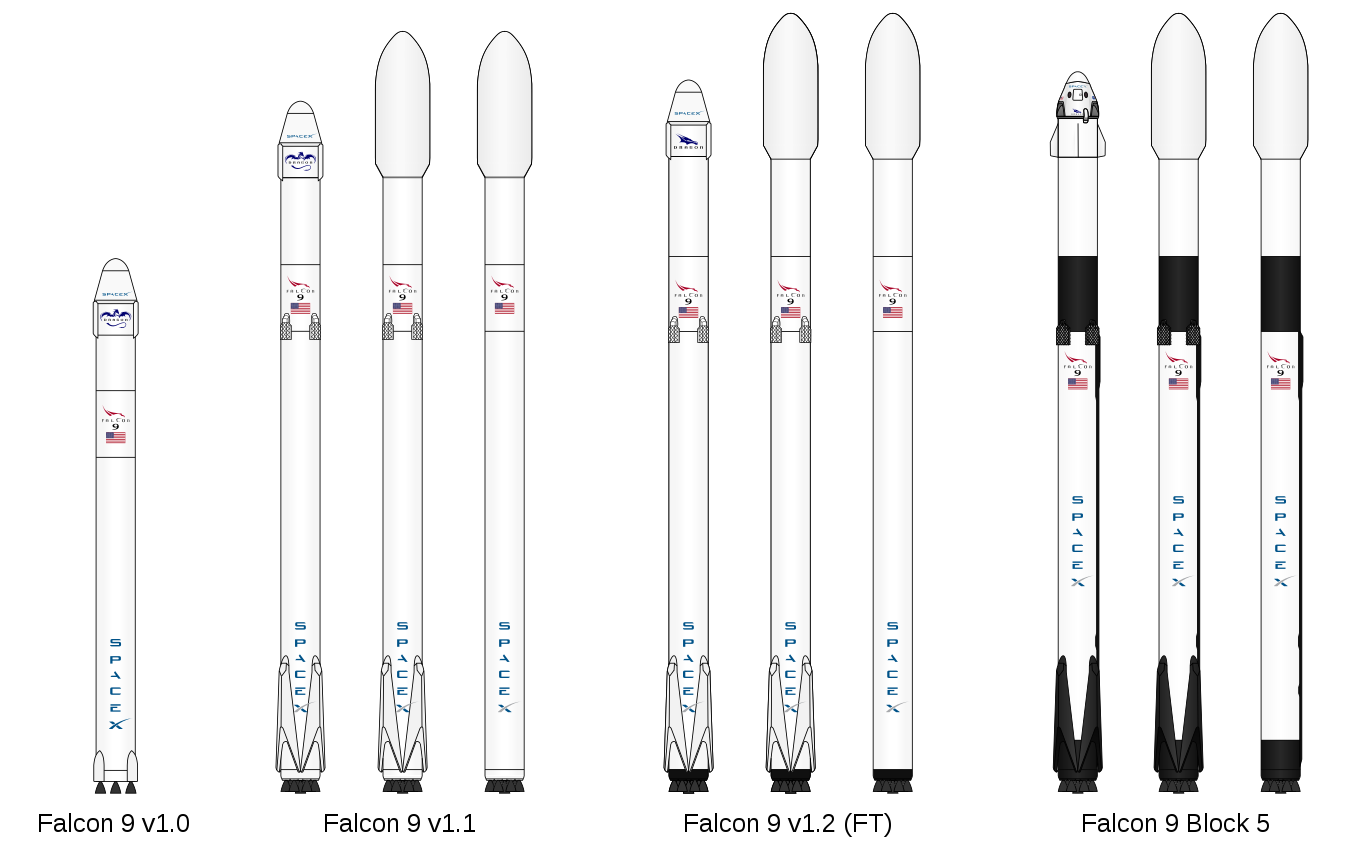
Photo: SpaceX / CC0, via Wikimedia Commons.