

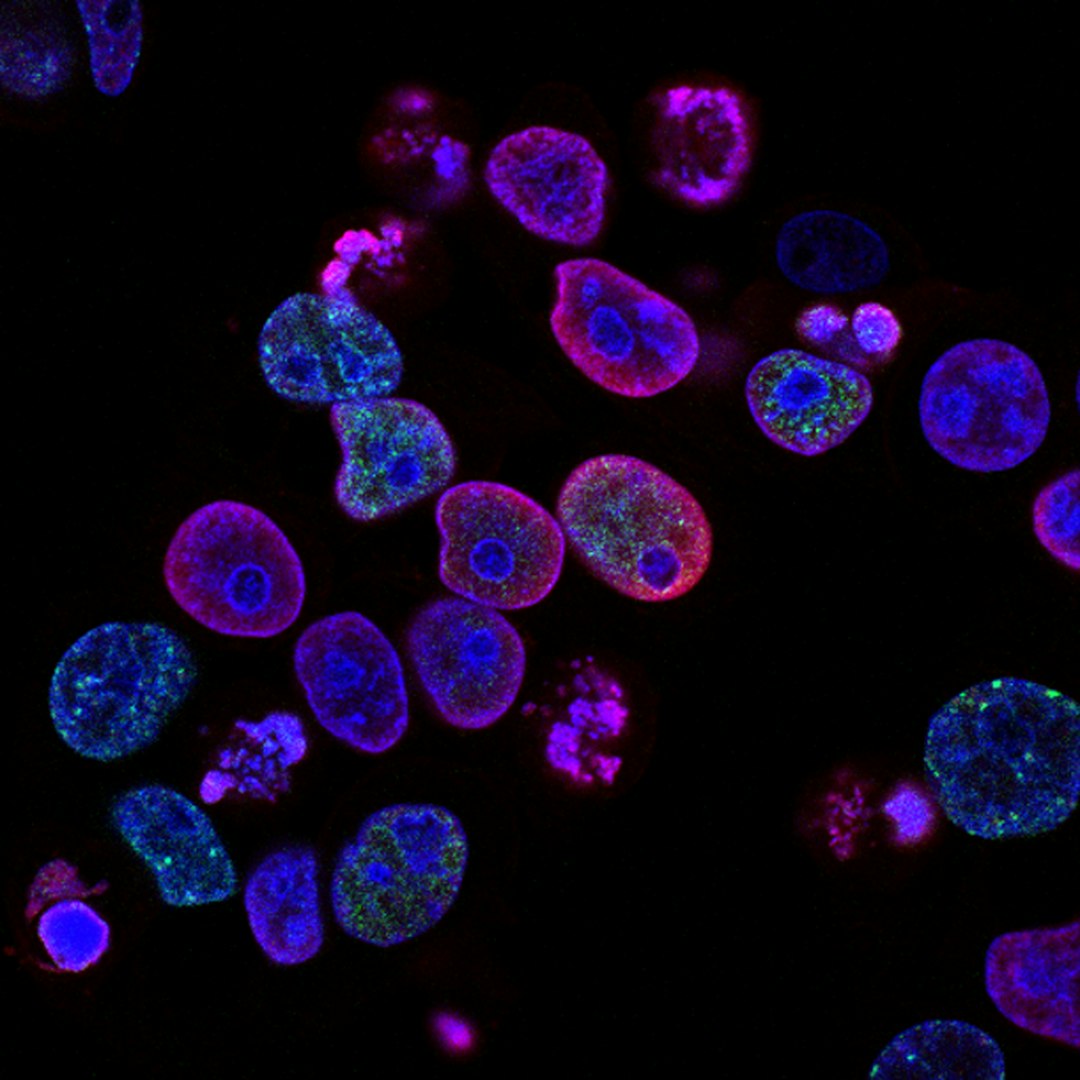
Every second of every day, your immune system makes life-or-death decisions at a microscopic scale: is this cell a neighbor to protect, or an invader to destroy? Get it wrong in one direction and you succumb to infection; get it wrong in the other and your body attacks itself, as in autoimmune diseases. The fact that this rarely goes wrong is one of biology’s most impressive feats of molecular engineering.
Table of Contents
The answer lies in a two-layer detection system. The first layer — innate immunity — uses ancient, hardwired pattern detectors to spot anything that looks microbial. The second layer — adaptive immunity — relies on molecular identity tags that let nucleated cells broadcast ‘I belong here.’ Understanding both layers not only explains how you fight off colds and flu, it also illuminates why vaccines work, why organ transplants can fail, and why autoimmune conditions occur.
Quick Answer
Your immune system uses two complementary strategies: innate immune cells carry pre-built receptors that recognize molecular patterns found on bacteria, viruses, and fungi but never on healthy human cells; and adaptive immune cells rely on MHC molecules — surface proteins that most nucleated cells display like a molecular ID badge — so that any cell lacking or faking that badge gets flagged as a threat. Mature red blood cells are a notable exception: because they shed their nuclei during development, they do not express MHC class I.
Layer One: Spotting the Enemy by Its Fingerprints
The innate immune system is the body’s rapid-response force, and it does not need to learn what a pathogen looks like — it is born knowing. Innate immune cells carry pattern recognition receptors (PRRs), including a well-studied family called Toll-like receptors (TLRs), that are genetically hard-coded to detect pathogen-associated molecular patterns, or PAMPs. PAMPs are structural features that are conserved across whole classes of microbes — things like the lipopolysaccharide coating of gram-negative bacteria, fungal cell-wall components such as glucan, or double-stranded RNA (which forms during viral replication but almost never appears in healthy human cells). Because these structures are essential to microbial survival, pathogens cannot easily evolve them away.
The same PRR system also detects danger signals from your own damaged or dying cells, known as damage-associated molecular patterns (DAMPs). Molecules that are normally tucked safely inside cells — certain DNA sequences, heat-shock proteins — spill out when cells are injured or killed, and the innate immune system treats their extracellular presence as a distress flare. This is why sterile injuries like burns or trauma still trigger inflammation even without any infection present.
When a PRR binds its target, it triggers a cascade: inflammatory cytokines are released, nearby immune cells are recruited, and the area is primed for a more targeted response. This all happens within minutes to hours — long before the slower adaptive immune system gets involved.
Layer Two: The Molecular ID Badge Most Nucleated Cells Must Carry
While the innate system looks for suspicious patterns, the adaptive immune system takes a different approach: it checks whether cells are carrying the right credentials. Almost every nucleated cell in your body displays proteins on its surface called MHC class I molecules (known in humans as HLA class I). These molecules act like tiny display windows, constantly presenting snippets of whatever proteins are being made inside the cell. In a healthy cell, those snippets are normal ‘self’ proteins, and immune cells recognize them as safe. If a cell is infected by a virus, viral protein fragments appear in those windows — and cytotoxic T cells destroy the cell before the virus can spread further. Mature red blood cells, which lose their nuclei as they develop, are a well-known exception and do not carry MHC class I on their surface.
A parallel system, MHC class II, is found mainly on dedicated immune cells such as macrophages and dendritic cells. These molecules present fragments of pathogens that have been engulfed and broken down, alerting helper T cells and kick-starting a broader immune response including antibody production.
Natural killer (NK) cells add a clever twist to this logic. Some viruses and many cancers try to evade detection by stripping MHC class I off the cell surface — effectively tearing off the ID badge to avoid being caught with incriminating evidence. NK cells are specifically primed to notice this absence. Their inhibitory receptors constantly look for MHC class I; when it is present, they stand down. When it is missing or reduced — a phenomenon biologists call ‘missing self’ — the NK cell treats it as a red flag and kills the cell. It is a fail-safe that makes it harder for pathogens to hide by playing silent.
How the System Learns Not to Attack You
The adaptive immune system’s precision comes at a cost: its T cells are generated with randomly shuffled receptors, meaning some will inevitably recognize your own proteins as foreign. To prevent a catastrophic self-attack, the immune system runs a rigorous editing process in the thymus, a small gland behind the breastbone. Immature T cells enter the thymus and are put through two rounds of selection. In positive selection, only T cells whose receptors can at least weakly recognize self-MHC molecules are kept — the rest are discarded as useless. In negative selection, any T cell whose receptor binds self-proteins too strongly is eliminated through programmed cell death (apoptosis), a process called clonal deletion. This weeding-out removes the T cells most likely to cause autoimmunity.
The system is not perfect — a small number of self-reactive T cells escape the thymus, which is why a separate layer of regulatory T cells and peripheral tolerance mechanisms exist as a backup. When these checkpoints break down, the result can be autoimmune conditions such as type 1 diabetes, rheumatoid arthritis, or multiple sclerosis, where the immune system turns its recognition machinery against the body’s own tissues.
Common Misconceptions About Immune Recognition
Boosting the immune system is not always better. The immune response is a tightly controlled balance; an overactive immune system is just as dangerous as an underactive one, as seen in sepsis, cytokine storms, and autoimmune disease. When people talk about ‘boosting’ immunity, what they usually mean is supporting immune regulation and readiness — not simply cranking up the volume.
Inflammation is not the enemy. Acute inflammation is a deliberate and necessary response — the heat, redness, and swelling you feel at an infection site are signs that your innate immune system has correctly recognized a threat and is orchestrating a response. Problems arise when that inflammation becomes chronic and system-wide rather than targeted and short-lived.
Vaccines work by exploiting adaptive memory, not by challenging the innate system. When a vaccine presents a harmless antigen, adaptive immune cells that recognize it proliferate and then persist as long-lived memory cells. If the real pathogen ever appears, those memory cells respond far faster and more powerfully than they would on a first encounter. The innate system’s pattern detectors are the same regardless of vaccination status; it is the adaptive system that learns.
Explore more: Explore more science articles.
Immune system self vs non-self recognition FAQs
Can bacteria and viruses fool the immune system?
Yes, and many have evolved sophisticated strategies to do so. Some viruses downregulate MHC class I to hide from T cells, but this makes them visible to NK cells via the ‘missing self’ mechanism. Some bacteria coat themselves in molecules that mimic host proteins. The immune system and pathogens are engaged in a continuous evolutionary arms race, which is part of why infections can still occur despite robust immunity.
Why does the immune system sometimes attack the body itself?
Autoimmunity typically occurs when the tolerance mechanisms that prune self-reactive T and B cells during development fail or are bypassed. Genetic factors can make certain people more susceptible, and environmental triggers — including some infections — are thought to play a role by causing molecular mimicry (where pathogen antigens closely resemble self-proteins) or by generating widespread inflammation that lowers the threshold for self-reactivity.
Why does organ transplant rejection happen if MHC molecules mark ‘self’?
MHC (HLA) molecules are highly variable between individuals — your particular set of HLA proteins is essentially unique to you (unless you have an identical twin). When a transplanted organ carries a different HLA profile, the recipient’s T cells recognize those foreign MHC molecules as non-self and mount an attack. This is why transplant teams try to closely match donor and recipient HLA types, and why recipients must take immunosuppressive drugs to prevent rejection.
Make Your Digital Life Better
More practical tech how-tos, tool picks, and guides to upgrade your everyday digital life. More on GTWebs.
Photo by National Cancer Institute on Unsplash.