

You’re mid-run, deep into a workout, or sound asleep when it hits — a sudden, searing cramp that stops everything. Most people reach for water or a banana and assume the problem is fixed. But the science of what actually causes muscle cramps is more interesting, and more actionable, than the old hydration narrative.
Table of Contents
Understanding the real mechanism behind cramps — rooted in how your nervous system controls muscle contractions — changes the way you approach prevention. This guide covers the current science, the most common triggers, and the practical steps that actually make a difference.
Quick Answer
Muscle cramps happen when your nervous system loses control of muscle contraction signals, causing motor neurons to fire uncontrollably and sustain a painful contraction. While dehydration and electrolyte imbalances are real contributors, current research points to neuromuscular fatigue — not just fluid loss — as the central driver, especially during exercise.
The Neuroscience of a Muscle Cramp
Your muscles contract and relax through a finely tuned feedback loop. Two key players are muscle spindles (sensors that detect muscle stretch and promote contraction) and Golgi tendon organs (sensors at the muscle-tendon junction that provide inhibitory feedback to prevent over-contraction). When everything works correctly, these two systems balance each other.
When a muscle fatigues, that balance breaks down. The muscle spindles become overactive, sending stronger contraction signals, while the Golgi tendon organs become less effective at applying the brakes. The result is that motor neurons keep firing when they should stop — producing the involuntary, sustained contraction we experience as a cramp.
This neuromuscular fatigue model explains something the old dehydration theory couldn’t: why well-hydrated athletes still cramp, and why cramps often hit specific muscles under load rather than spreading uniformly throughout the body. Unfamiliar movement patterns or playing surfaces can also accelerate neuromuscular fatigue, since muscles haven’t been conditioned for those specific demands.
When Dehydration and Electrolytes Actually Matter
Dehydration doesn’t cause cramps on its own, but it creates conditions where the nervous system is more likely to malfunction. More important than raw fluid volume is electrolyte balance. Sodium, potassium, magnesium, and calcium all play roles in how nerve signals travel to muscle fibers. When you sweat heavily, you lose sodium alongside water — and replacing fluids with plain water alone can dilute blood sodium, making the nerve-muscle communication problem worse, not better.
Potassium helps facilitate muscle contractions and supports communication between nerves and muscles. Good dietary sources include sweet potatoes, cooked spinach, melon, beans, and nuts. Magnesium also supports muscle relaxation, and low levels have been associated with increased cramping — particularly nocturnal leg cramps. If your exercise sessions last longer than about an hour, consuming carbohydrates before and during the workout also matters: muscles need fuel to both contract and relax properly, and depleted glycogen can impair the relaxation phase.
Certain medications can increase cramp risk by affecting electrolyte levels. Diuretics and statins are among the most commonly cited culprits. If you take either and experience frequent cramps, it is worth discussing with a doctor.
How to Prevent Muscle Cramps
Prevention works best when it targets both the neuromuscular fatigue side and the electrolyte side. On the training side: warm up thoroughly before intense exercise, increase workout intensity gradually rather than spiking it, and build specific conditioning for the activities and surfaces you compete on. Your nervous system adapts to familiar movement patterns; unfamiliar demands accelerate the fatigue that triggers cramps.
On the nutrition and hydration side: drink fluids that include sodium rather than relying on plain water during long workouts. Eating potassium-rich foods regularly supports muscle nerve signaling. For workouts exceeding an hour, a small amount of carbohydrates — from a sports drink, gel, or real food — helps sustain the energy muscles need to relax as well as contract.
Stretching is a reliable preventive tool, particularly for nocturnal cramps. Calf and hamstring stretches before bed can reduce the frequency of nighttime cramping. If you sleep on your back, keeping bed linens loose around your feet prevents them from being held in a pointed-down position, which keeps calf muscles shortened and primes them to cramp. Wearing properly fitted shoes during the day and maintaining general flexibility also helps with both exercise and nocturnal cramps.
Tips and Common Mistakes
One of the most common mistakes is treating cramps as a pure hydration problem and just drinking more plain water. If you have lost sodium through heavy sweating, more plain water can actually lower your blood sodium further. Reaching for a sodium-containing drink or a small salty snack alongside your water is more effective after prolonged exertion.
Another frequent error is ignoring fatigue as a root cause. If cramps are consistently hitting a specific muscle late in workouts, that muscle may simply be undertrained for the demand placed on it — targeted strength work and progressive overload often solves this better than any supplement.
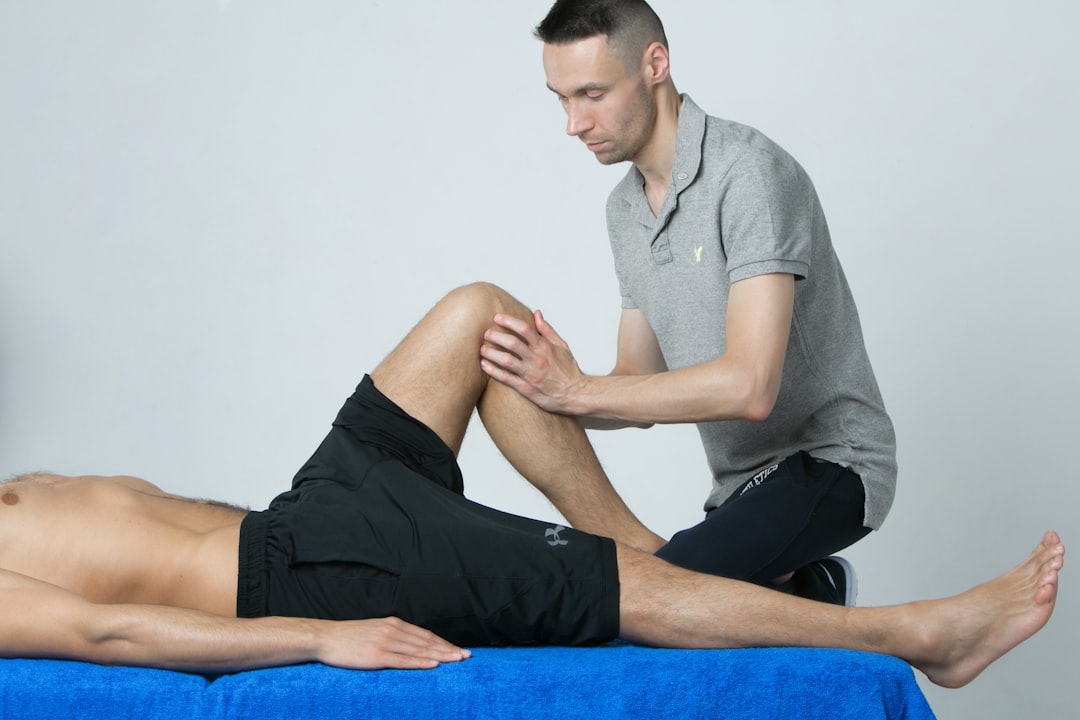
For immediate relief during a cramp, gently stretching the muscle (pulling your foot toward your face for a calf cramp) combined with light massage is the most reliably effective approach. Some clinical observation supports the idea that pickle juice consumed immediately at the onset of a cramp may help shorten its duration — thought to work via a neurological reflex triggered by its taste and high sodium content, rather than through direct rehydration. Heat can relax the muscle during a cramp, while ice helps if soreness lingers afterward.
Explore more: Explore more science articles.
Muscle cramps causes and prevention FAQs
Do bananas actually prevent muscle cramps?
Bananas are a reasonable source of potassium, which supports nerve-muscle signaling, but they are not a reliable standalone cramp cure. Potassium is one piece of a larger picture that includes sodium, magnesium, hydration, and neuromuscular conditioning. Other potassium-rich foods like sweet potatoes, cooked spinach, and beans are equally useful.
Why do muscle cramps happen at night?
Nocturnal leg cramps are common and are thought to be triggered by prolonged inactivity, a sleep position that keeps the calf muscles shortened (feet pointed downward), and reduced circulation. They become more frequent with age and can also be associated with certain medications and conditions such as diabetes or peripheral artery disease.
Does pickle juice actually stop muscle cramps?
There is clinical observation and some research support for pickle juice reducing cramp duration when consumed at the moment cramping begins. The leading explanation is that it triggers a neurological reflex — possibly through receptors in the mouth and throat — rather than rehydrating you fast enough to make a biochemical difference. It is a credible short-term option, though not a substitute for good conditioning and electrolyte habits.
Make Your Digital Life Better
More practical tech how-tos, tool picks, and guides to upgrade your everyday digital life. More on GTWebs.
Photo: WikEric7 / CC BY-SA 4.0, via Wikimedia Commons.