

You pull a sweater over your head and your hair stands on end, or you touch a doorknob after wearing a certain outfit and get zapped. It’s not random — some fabric combinations are far more prone to static cling and shocks than others, and the reason comes down to basic physics you can actually predict.
Table of Contents
This guide breaks down what static cling is, why fabrics like wool, nylon, and polyester are the worst offenders while cotton tends to behave, why the problem gets so much worse in winter, and practical ways to stop it before it ruins your outfit.
Quick Answer
Static cling happens when friction between two fabrics strips electrons from one material and piles them onto the other, leaving both surfaces electrically charged and attracted to each other. Fabrics shock you more when they sit far apart on what’s called the triboelectric series (a ranking of how strongly a material tends to give up or grab electrons) and when the air is too dry to carry the charge away — which is exactly why wool-on-synthetic combos in winter are the classic static nightmare.
What Actually Causes Static Cling
Every material has a natural tendency to either lose electrons or grab extra ones when it rubs against something else — physicists rank materials on the triboelectric series, from strongly positive-charging materials down to strongly negative-charging ones. Wool, nylon, and silk sit toward the positive end, meaning they readily give up electrons, while synthetics like polyester and acrylic sit toward the negative end, grabbing those electrons. Cotton lands closer to the middle, which is a big reason it’s known as a relatively ‘static-safe’ fabric.
The wider the gap between two fabrics on that series, the more charge builds up when they rub together — which is why a wool sweater over a polyester shirt is a textbook shock generator, while cotton-on-cotton rarely does anything at all. Once one surface is positively charged and the other negatively charged, they physically pull toward each other (that’s the ‘cling’ part), and if enough charge builds up on your body, it discharges all at once the moment you touch a grounded object like a doorknob or another person — that’s the shock.
Fabric blends complicate this. A poly-cotton blend, for instance, behaves differently than either fiber alone, and finishes, dyes, and even how tightly a fabric is woven can shift how much charge it holds.
Why Static Feels So Much Worse in Winter
Static shocks spike in cold weather not because the physics of friction changes, but because the air does. Water vapor in humid air coats surfaces with a thin conductive film that lets built-up charge quietly bleed away as fast as it forms. Cold winter air holds much less moisture, and indoor heating dries it out further, so charge has nowhere to go and keeps accumulating on your clothes, hair, and skin.
Static buildup tends to become noticeable once relative humidity drops below roughly 40%, which is a common range for heated indoor air in winter — that’s why the same sweater that’s harmless in July turns into a shock machine in January.
Tips to Stop Static Cling and Shocks
Run a humidifier: keeping indoor relative humidity above that ~40% mark is the single biggest lever, since moist air lets charge dissipate instead of building up.
Use dryer sheets or liquid fabric softener: these work two ways — they leave a cationic (positively charged) chemical coating that neutralizes the negative charge clothes pick up in the dryer, and they lubricate fibers so less friction (and less electron transfer) happens between them in the first place.
Avoid mixing high-static fabrics in one outfit or one dryer load: keep wool, nylon, and other synthetics separate from each other when you can, and pair synthetics with cotton or natural fibers instead of other synthetics.
Moisturize your skin: dry skin holds a charge more readily, so lotion (especially on legs before tights or wool skirts) cuts down on cling and zaps.
Lower the dryer heat and don’t over-dry: overheating and over-drying strips moisture from fabric fibers and increases static; pulling clothes out slightly damp reduces the effect.
Ground yourself before touching metal: holding a metal key or coin and touching it to a doorknob first lets the spark jump to the metal instead of your fingertip.
Common mistake: assuming all static cling problems are ‘a bad dryer.’ Often the real cause is the fabric pairing itself or dry winter air, and no dryer setting will fully fix that — you need to address humidity or the fiber combination.
Explore more: more science explainers.
Static cling and fabrics FAQs
Why does wool shock me more than cotton?
Wool sits far from most other common fabrics on the triboelectric series, so it readily gives up electrons when it rubs against synthetics like polyester or nylon. Cotton sits closer to the middle of that series, so it builds up much less charge against most other fabrics.
Does static cling mean my clothes are damaged?
No — static cling is just a temporary electrical charge on the fabric surface, not a sign of wear or damage. It goes away on its own or can be neutralized with a dryer sheet, anti-static spray, or a touch of moisture.
Can static shocks damage electronics?
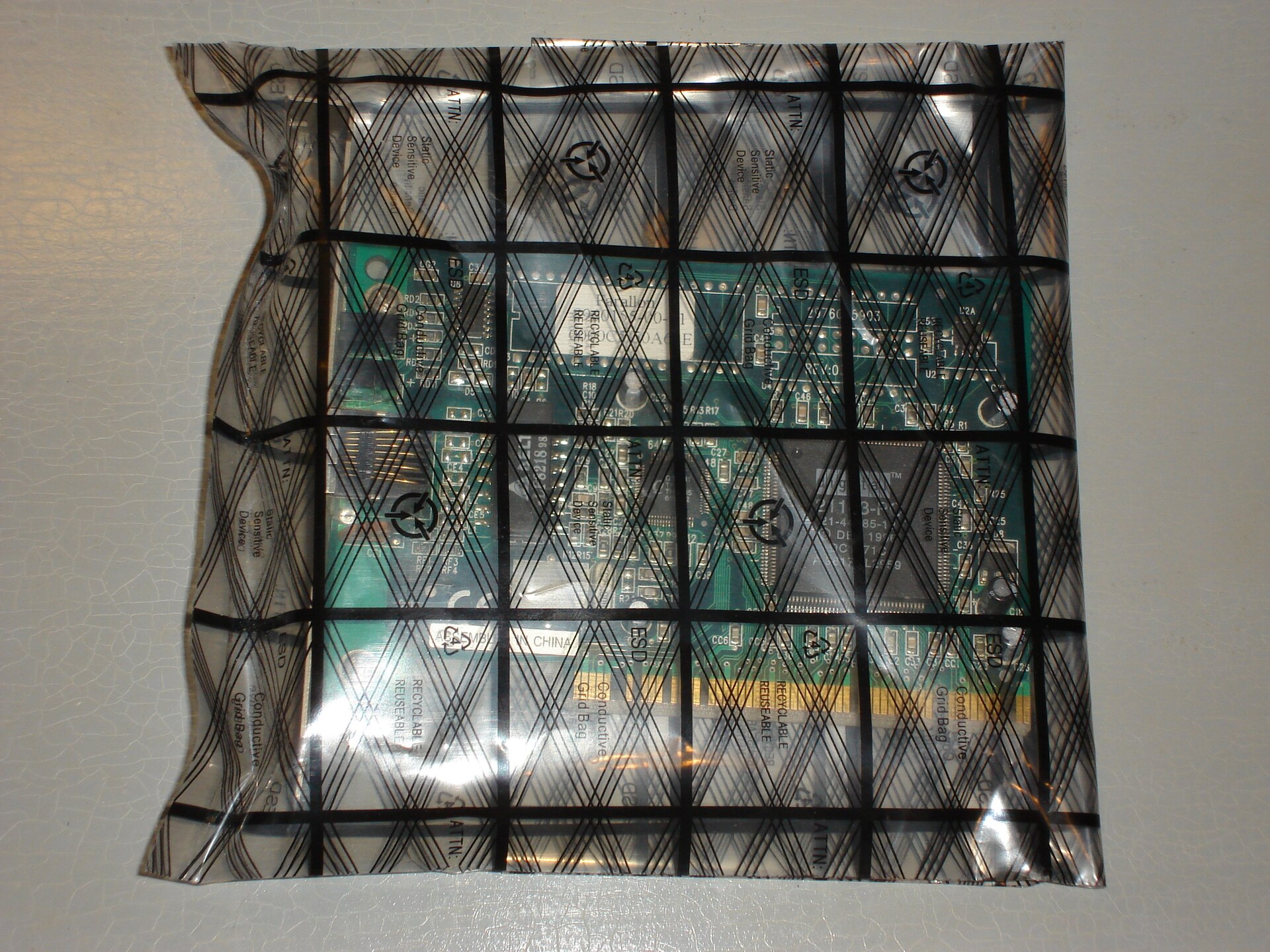
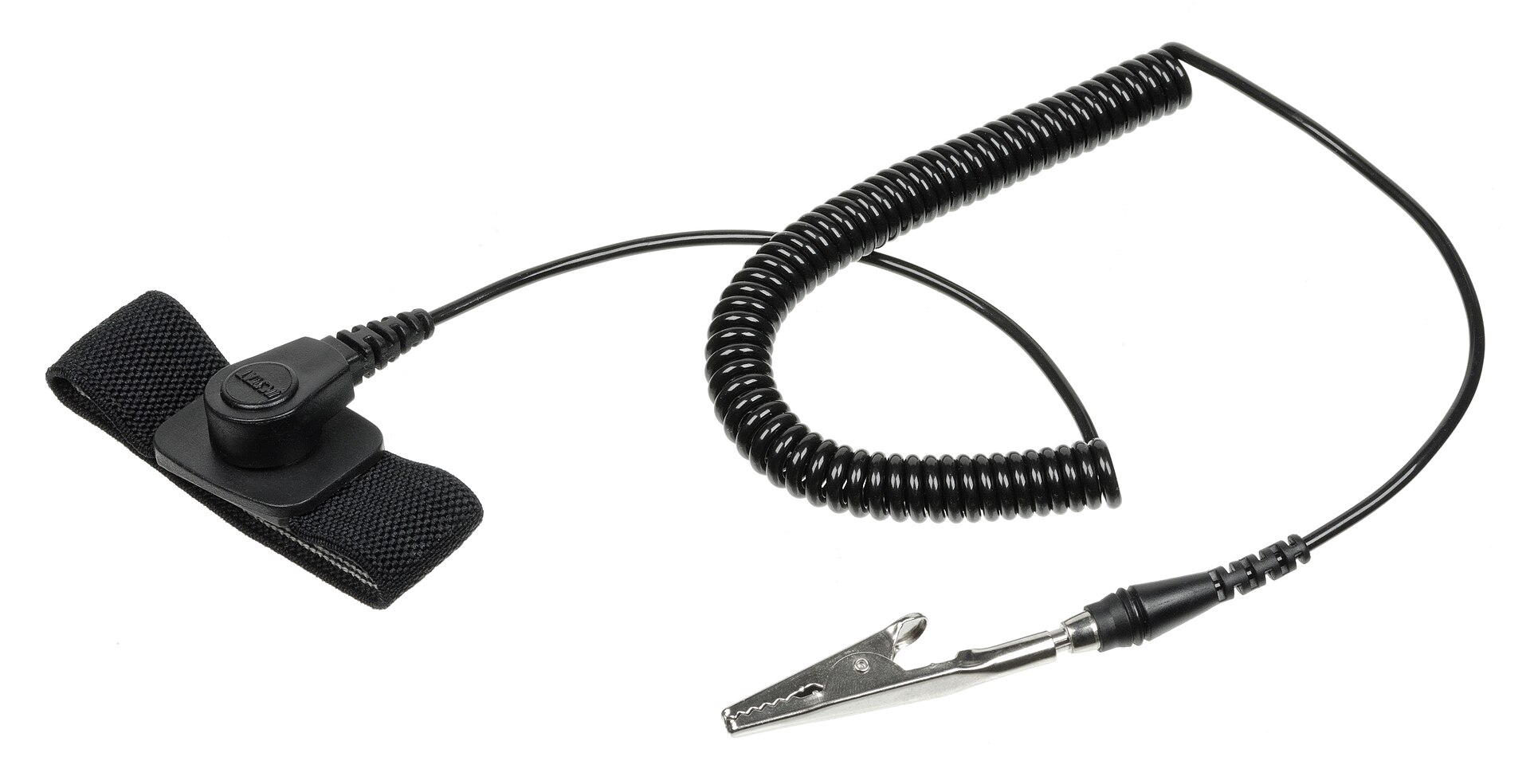
Yes, in some cases. Static discharge from your body can potentially harm sensitive electronic components, which is why it’s worth touching a grounded metal object to discharge yourself before handling things like computer hardware, especially in dry winter conditions.
Make Your Digital Life Better
More practical tech how-tos, tool picks, and guides to upgrade your everyday digital life. More on GTWebs.
Want web tips in your inbox? Subscribe to the free newsletter.
Photo: Zidane2k1 at English Wikipedia / CC BY-SA 3.0, via Wikimedia Commons.