

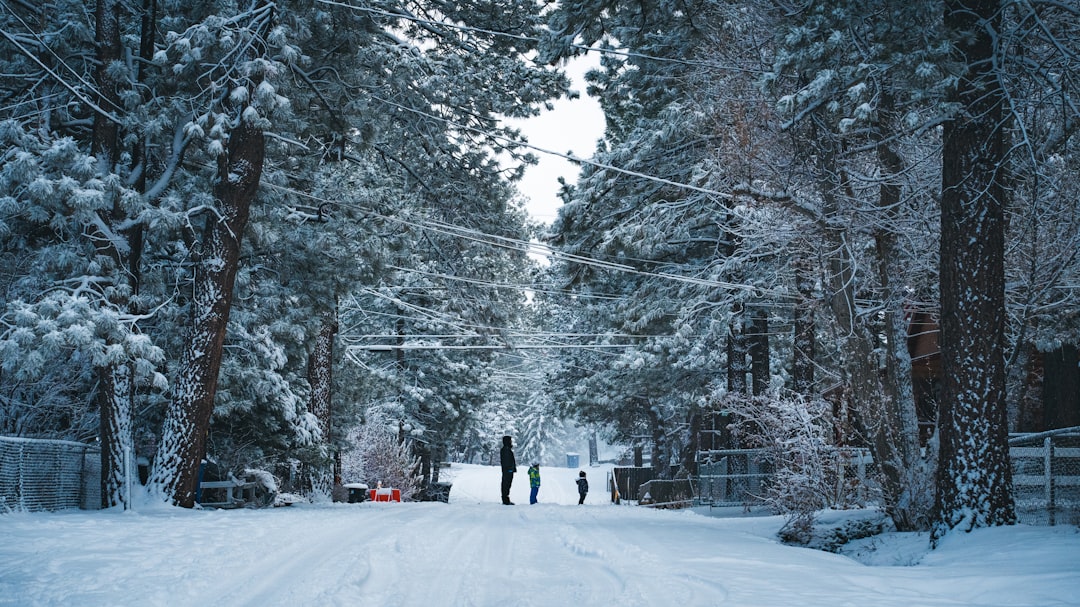
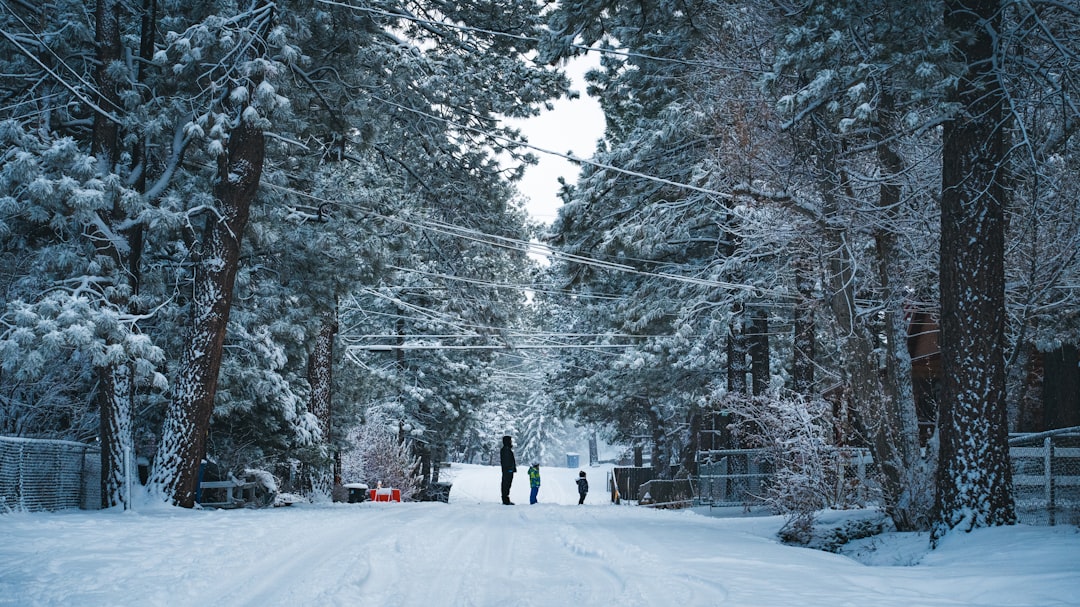
There’s a specific kind of stillness that settles over a neighborhood after a fresh snowfall — traffic sounds fade, voices seem to disappear, and even a slammed car door lands with a dull thud instead of a bang. That’s not just a feeling; it’s measurable acoustics at work.
Table of Contents
This guide breaks down exactly why snow deadens sound, what makes fresh powder so much better at it than old, crusty snow, and a few common misconceptions people have about winter’s famous silence.
Quick Answer
Freshly fallen snow is riddled with tiny air pockets between its ice crystals, which makes it extremely porous — often 90 to 95% trapped air. When sound waves hit that structure, they get absorbed and converted into tiny amounts of heat instead of bouncing back, the same basic principle that makes acoustic foam panels work in a recording studio.
The Physics: How a Snow Layer Absorbs Sound
Snowflakes are six-sided ice crystals that pile up loosely rather than packing together solidly, leaving a huge network of open, irregular gaps throughout the layer. When a sound wave travels through air and hits that porous surface, it doesn’t reflect cleanly the way it would off pavement, glass, or a brick wall — instead, the wave gets trapped in the maze of air pockets, where friction converts its energy into a negligible amount of heat rather than sending it back toward your ears.
Researchers who measure this effect use a metric called the Noise Reduction Coefficient (NRC), which rates how much sound a material absorbs on a scale from 0 (fully reflective) to 1 (fully absorptive). Studies have measured a several-inch layer of fresh snow with an NRC around 0.9 — in the same range as purpose-built acoustic panels. Even about an inch of fresh snow on the ground is enough to start noticeably softening ambient noise.
There’s a second factor at play too: snow blankets outdoor surfaces that would otherwise reflect sound, like streets, sidewalks, and rooftops. With less hard surface area to bounce sound waves around, noise doesn’t travel or echo as far, so it drops off more quickly the farther you are from the source.
Why Fresh Powder Sounds So Different from Old, Icy Snow
Not all snow muffles sound equally — the effect depends heavily on how light and airy the snow still is. Freshly fallen, fluffy powder has the most trapped air and the least structural bonding between crystals, which makes it the most effective absorber. That’s why the deepest hush usually happens right after (or during) a snowfall, before anyone has walked, driven, or plowed through it.
As snow sits, it changes. Wind, foot traffic, and freeze-thaw cycles compress the crystals together, squeezing out air pockets and rounding off their delicate edges. Once snow has melted slightly and refrozen, its surface becomes hard, smooth, and icy — closer to a solid than a porous material. That’s also why old, crusty snow crunches loudly and sharply underfoot: instead of absorbing the impact, the dense surface reflects and amplifies the sound of ice grains fracturing under your boot, and sound can travel farther across a hard, icy field than it does through fresh powder.

Tips / Common Mistakes
Don’t assume all snow is quiet snow: a thin, refrozen crust or heavily packed snowpack behaves more like ice, and can actually make crunching footsteps and nearby noises louder and sharper, not softer.
Don’t overestimate the range: snow’s sound-dampening effect is strongest for nearby, everyday noise — traffic, voices, footsteps — within a relatively local area. It’s not creating some kind of city-wide soundproof dome; distant sounds are also affected by the reduced human and traffic activity that typically comes with a snowstorm, not just the snow’s acoustic properties alone.
Don’t confuse ‘quiet’ with ‘silent’: snow absorbs a large share of high-frequency sound energy, but it doesn’t eliminate sound entirely, and low-frequency rumbles (like a passing truck or plow) still carry noticeably more than voices or footsteps.
Don’t expect the effect to last: as soon as snow gets walked on, driven over, or goes through a thaw-refreeze cycle, its air pockets collapse and the acoustic dampening fades fast — often within a day or two in busy areas.
Explore more: more everyday science explained.
Why snow muffles sound FAQs
Does snow actually absorb sound, or does it just feel quieter?
It genuinely absorbs sound. Fresh snow’s porous structure traps sound waves and converts their energy into a tiny amount of heat instead of reflecting them, which is measurably different from how hard surfaces like pavement behave.
How much snow do you need for it to muffle sound?
The effect is noticeable with as little as an inch of fresh snow, and it gets stronger as the layer gets deeper and stays light and uncompacted.
Why is snow loud to walk on sometimes and quiet other times?
Fresh, fluffy snow absorbs sound and muffles footsteps, while old snow that has compacted or gone through a melt-refreeze cycle turns hard and icy, which reflects sound and produces a louder, sharper crunch.
Is it just quieter because fewer people are outside during snow?
Reduced traffic and foot activity do play a role, but the acoustic effect is real and separate — researchers have measured fresh snow layers with sound-absorption ratings comparable to acoustic foam panels.
Make Your Digital Life Better
More practical tech how-tos, tool picks, and guides to upgrade your everyday digital life. More on GTWebs.
Want web tips in your inbox? Subscribe to the free newsletter.
Photo by Dennis Zhang on Unsplash.