

Here are today’s 3 verified tech & science stories, covering AI Tools and Science & Space.
Table of Contents
Every item below links to its original source.
The TLDR
- AI Tools: Anthropic Details How Claude’s New AI Text Watermarks Actually Work
- Science & Space: SpaceX Sets New Record With Two Falcon 9 Launches 38 Minutes Apart
AI Tools
Anthropic Details How Claude’s New AI Text Watermarks Actually Work
Anthropic published new details on how it plans to watermark text generated by Claude, a move tied to transparency rules under the EU AI Act, according to TechCrunch. The system, based on Google DeepMind’s SynthID-Text approach, embeds an invisible pattern in the small word choices Claude makes and can be checked with a detection key, without changing output quality. Anthropic says light edits won’t strip the watermark, but a full rewrite can, and code will carry little to no watermark since working code leaves few word-choice options. Curious how AI tools hold up for other everyday tasks? Our guide to AI bookkeeping tools covers a few worth trying.
Science & Space
SpaceX Sets New Record With Two Falcon 9 Launches 38 Minutes Apart
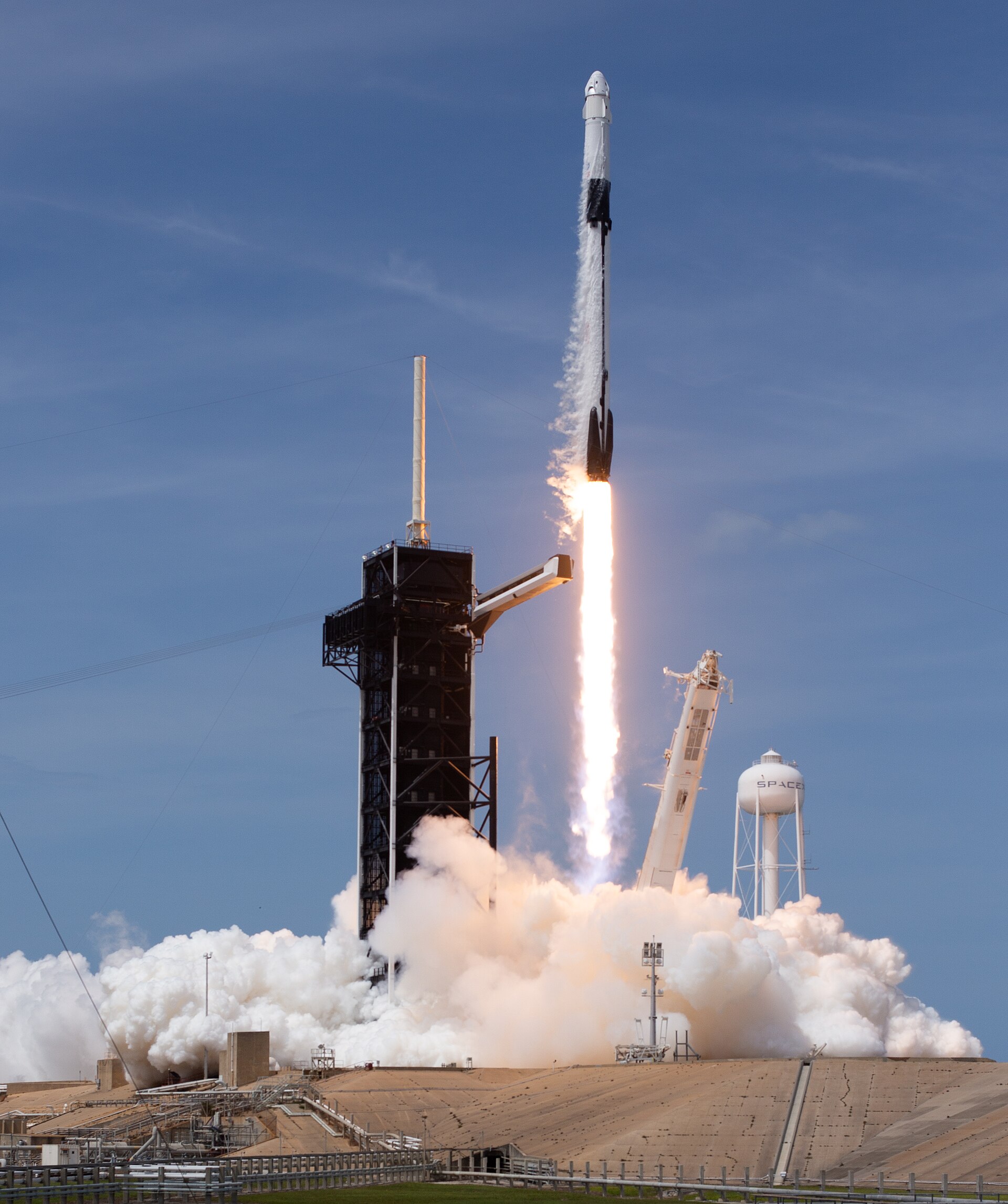
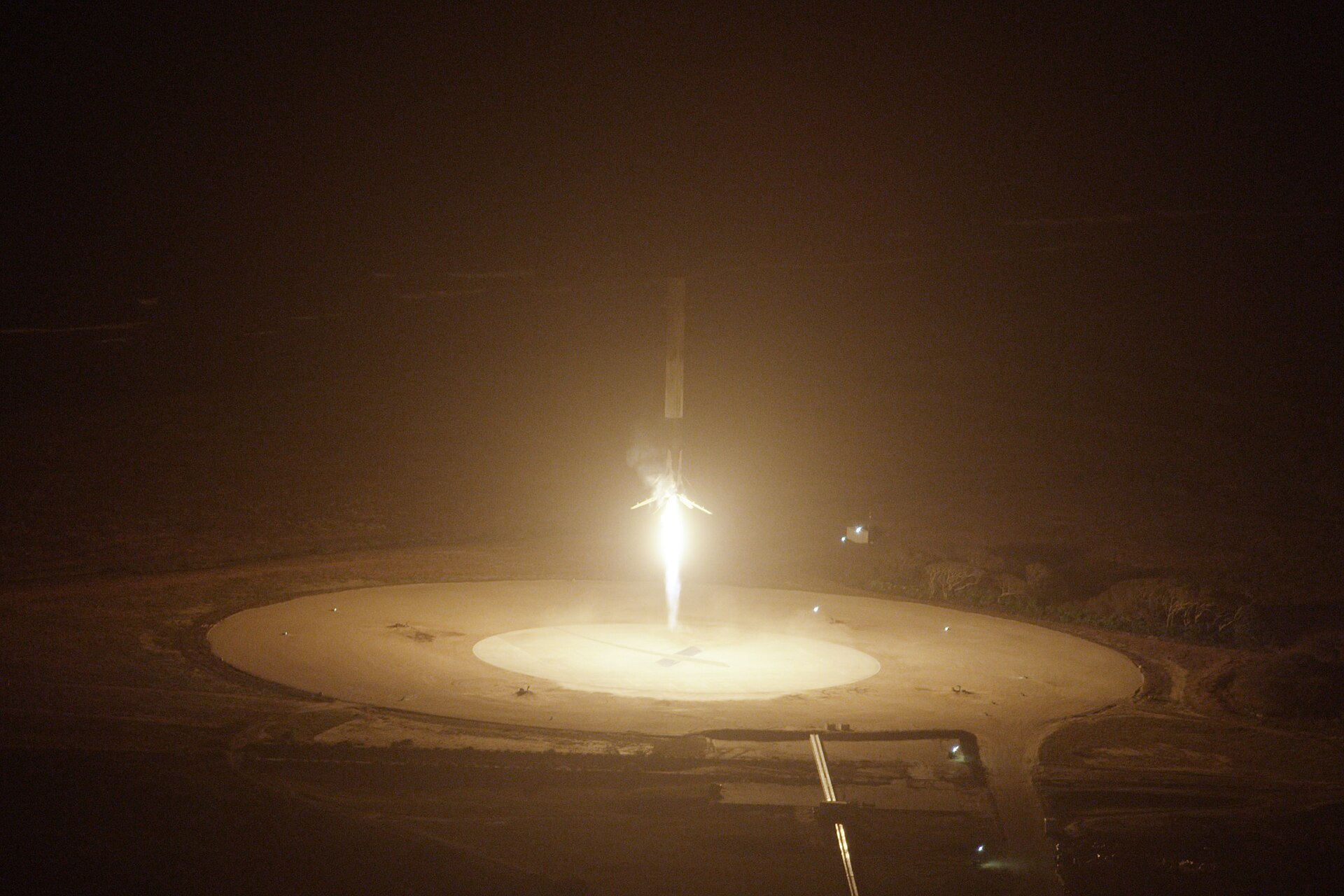
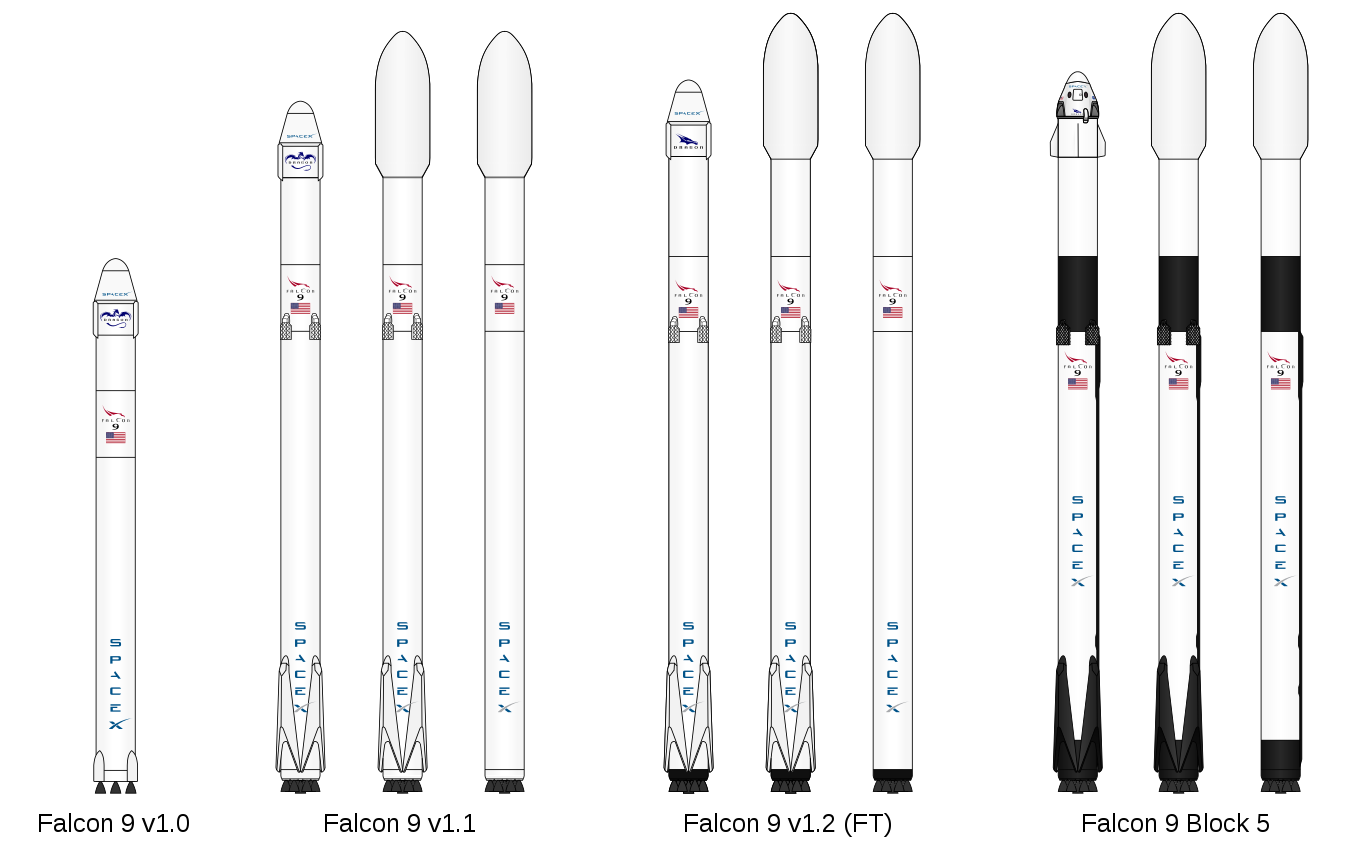
SpaceX launched two Falcon 9 rockets just 38 minutes apart on Saturday night, breaking its own launch-cadence record, according to Space.com. The first rocket lifted off from Cape Canaveral at 9:12 p.m. EDT carrying eight Globalstar satellites, and the second launched from Vandenberg Space Force Base in California at 9:50 p.m. EDT for a U.S. Space Force mission called USSF-366. Both boosters landed successfully, and the pair beat SpaceX’s previous record — a 65-minute gap set in August 2024 — by 27 minutes. If you want to catch the next launch window yourself, our telescope brand comparison can help you pick the right gear.
On This Day in 1977, Astronomers Picked Up the Still-Unexplained ‘Wow!’ Signal
August 15 marks the anniversary of the 1977 detection of the famous ‘Wow!’ signal, a brief, powerful radio burst picked up by Ohio State University’s Big Ear radio telescope, according to Space.com. Nearly 50 years later, the signal’s source has never been identified, and it remains one of the most cited pieces of evidence in the search for extraterrestrial intelligence.
Explore more: telescope brand comparison, guide to AI bookkeeping tools, snow muffles sound.
Make Your Digital Life Better
More practical tech how-tos, tool picks, and guides to upgrade your everyday digital life. More on GTWebs.
Want web tips in your inbox? Subscribe to the free newsletter.
Photo: Joel Kowsky / Public domain, via Wikimedia Commons.