

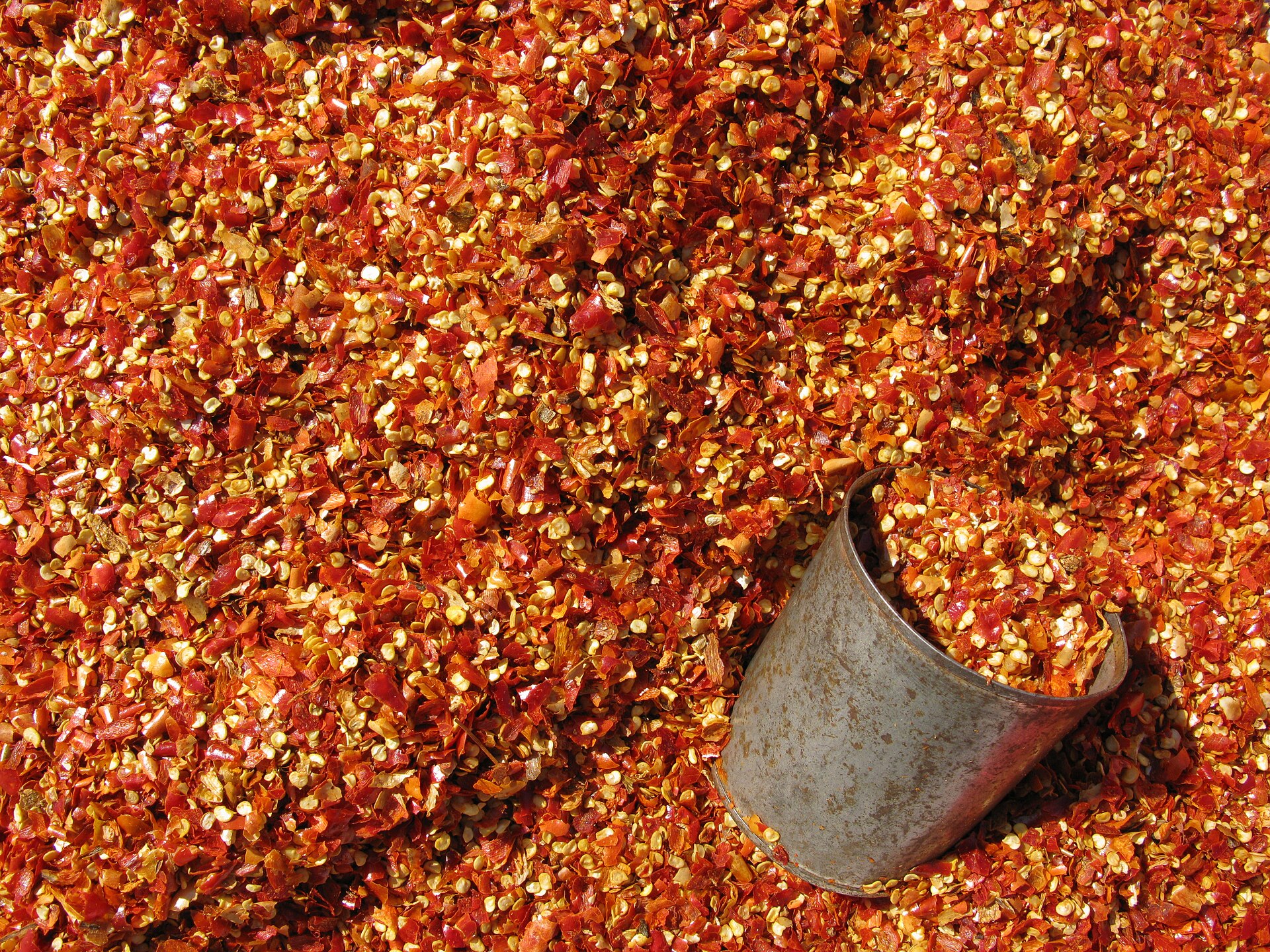
Bite into a hot chili pepper and your mouth feels like it’s on fire — but nothing is actually burning. No heat, no damage, no tissue injury. What’s really happening is one of the more elegant deceptions in human biology: a single molecule found in chili peppers convinces your nervous system that you’re touching a flame. Understanding why reveals a lot about how pain, pleasure, and perception are wired together in the brain.
Table of Contents
The culprit is capsaicin, the active compound in hot peppers. It doesn’t generate heat — it hijacks the very receptor your body uses to detect heat, triggering the exact same alarm signal your nerves would fire if you grabbed something scalding. Your brain receives an identical distress call either way and responds accordingly. This guide breaks down the biology step by step, from the receptor in your mouth to the flood of chemicals in your brain.

Quick Answer
Capsaicin, the compound in hot peppers, binds to a heat-sensing nerve receptor called TRPV1 and lowers its activation threshold until it fires at normal body temperature. Your brain receives the same signal it would from genuine burning heat and responds with the same pain response — even though your mouth is perfectly fine.
The Receptor Capsaicin Hijacks: Meet TRPV1
Your body is equipped with specialized proteins called ion channels that sit on the surface of sensory nerve cells. One of the most important for heat detection is TRPV1 — short for Transient Receptor Potential Vanilloid 1. Think of it as a biological thermostat: under normal conditions, TRPV1 stays closed until temperatures rise above roughly 43°C (about 109°F), a range that signals genuine tissue damage. When it opens, calcium and sodium ions flood into the nerve cell, triggering an electrical signal that shoots up to the spinal cord and brain as a pain warning.
Capsaicin, the active molecule in chili peppers (chemical formula C₁₈H₂₇NO₃), fits into a binding site on TRPV1 and physically changes the channel’s shape. That shape change dramatically lowers the temperature needed to open it — down to around 34°C, which is close to normal body temperature. The result: TRPV1 fires at rest, flooding your nervous system with pain signals even though the temperature in your mouth hasn’t changed at all. The receptor is not malfunctioning; it’s doing exactly what it evolved to do. Capsaicin just moved the goalpost.
From Your Mouth to Your Brain: The Pain Signal Chain
TRPV1 receptors sit on a class of neurons called C-fiber nociceptors — pain-specialized nerve fibers that respond to noxious heat, chemicals, and mechanical injury. When capsaicin triggers them, these fibers do two things at once. First, they send an electrical action potential racing up to the spinal cord and into pain-processing regions of the brain, which interprets the signal as burning heat. Second, they release pro-inflammatory chemicals locally — including substance P and CGRP (calcitonin gene-related peptide) — that recruit immune cells and produce the throbbing, swelling sensation that can make a very spicy meal genuinely uncomfortable.
The brain has no way to distinguish a capsaicin-triggered TRPV1 signal from a heat-triggered one. Both look identical at the receiving end. That’s the trick: your brain isn’t fooled in some metaphorical sense — it’s receiving the exact same neural message it would get from real fire, processed through the same pathways, and producing the same protective response. The watering eyes, the running nose, the flushed skin — these are all real physiological reactions to what the brain genuinely believes is a burn.
Why You Enjoy It: The Endorphin Rebound
Here’s where the story gets interesting. The moment your brain registers the ‘burn,’ it responds the way it always does to pain: by releasing endorphins, the body’s natural painkillers. Endorphins bind to opioid receptors and dial down the pain signal, creating a wave of relief and mild euphoria. Capsaicin also prompts dopamine release through the brain’s reward circuitry, adding a pleasure hit on top of the relief. The combination — pain, then chemical reward — is what spicy food lovers describe as the ‘chili high,’ and it’s why many people genuinely crave the sensation rather than just tolerating it.
This is sometimes called the ‘benign masochism’ effect: your brain knows you’re not actually in danger (you’ve survived hot peppers before), so the threat alarm gets filed as a kind of controlled thrill rather than genuine distress. The more often you eat spicy food, the more your brain learns to anticipate the endorphin reward, making the experience increasingly enjoyable rather than painful.
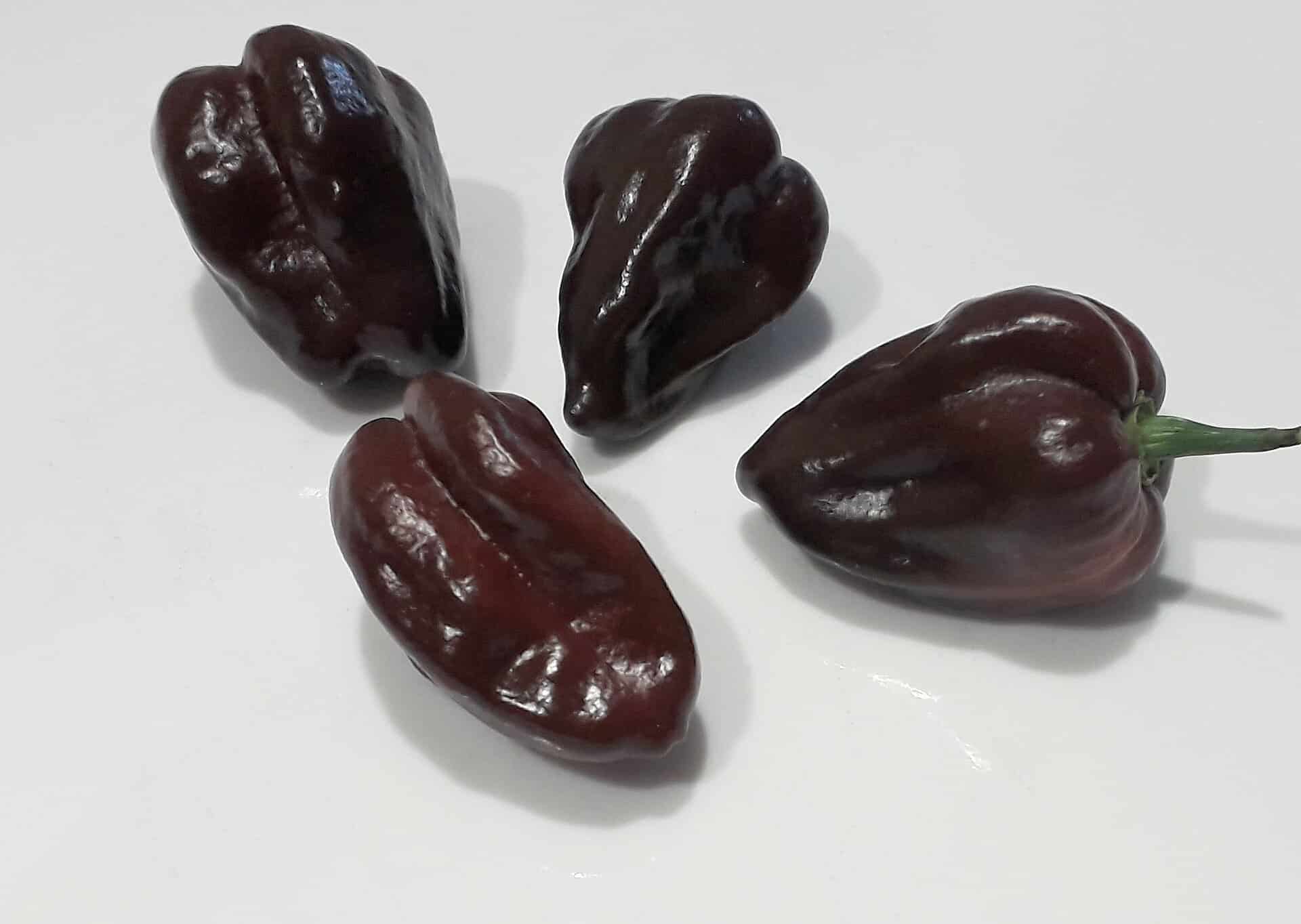
How Tolerance Builds — and How Capsaicin Became Medicine
Repeated exposure to capsaicin desensitizes the TRPV1 system. Each activation causes a modest calcium overload inside the nerve cell, which gradually triggers the cell to pull some of its TRPV1 receptors off the surface membrane — fewer receptors means a weaker signal next time. Over time, neuropeptide stores like substance P also become depleted, muting the inflammatory response. This is why spicy food lovers can handle heat levels that leave newcomers gasping: their nociceptors are literally less responsive, not tougher psychologically.
Researchers have turned this desensitization effect into medicine. High-concentration topical capsaicin patches are approved for treating certain types of neuropathic pain. Applied to skin, they first cause intense local burning, then gradually defunctionalize the pain-fiber nerve endings in that area — providing weeks of pain relief by overwhelming and exhausting the very system capsaicin normally activates.
Tips and Common Misconceptions
Water makes the burn worse, not better. Capsaicin is hydrophobic — it repels water and binds to fatty tissues. Drinking water spreads it around your mouth rather than washing it away. Dairy products like milk or yogurt contain fat and casein proteins that physically bind capsaicin molecules and carry them away. Starchy foods like bread also help by absorbing and diluting the compound. If you want fast relief, reach for milk, not water.
Spiciness is not a taste. The five classic tastes — sweet, salty, sour, bitter, umami — are detected by taste buds. Capsaicin bypasses all of them and instead activates pain and temperature nerve fibers. What you experience as ‘spicy’ is technically a chemically-induced pain sensation, not a flavor. The Scoville scale measures capsaicin concentration in peppers — it’s essentially a measure of how intensely a pepper can trigger your TRPV1 receptors. And no, eating extremely spicy food cannot actually burn your stomach lining under normal circumstances; the TRPV1 activation feels like fire but causes no real tissue damage in healthy individuals.
Explore more: More science articles.
How spicy food tricks your brain FAQs
Does spicy food actually burn your mouth?
No. Capsaicin causes no real tissue damage in a healthy person. It activates the TRPV1 heat receptor to fire at body temperature, producing a genuine pain signal, but there is no actual burning, blistering, or injury. The sensation is real; the harm is not.
Why does milk help with spicy food but water doesn’t?
Capsaicin is hydrophobic (water-repelling) and clings to fatty and protein-rich tissues. Water can’t dissolve it and just pushes it around your mouth. Milk contains fat and a protein called casein that chemically binds to capsaicin molecules and rinses them away, providing genuine relief.
Can you build a real tolerance to spicy food?
Yes, and it’s physiological, not just psychological. Repeated capsaicin exposure causes nerve cells to reduce the number of TRPV1 receptors on their surface and deplete local stores of pain-signaling chemicals. The nerve fibers become measurably less responsive over time, which is why regular spicy-food eaters need much higher heat levels to feel the same burn.
Make Your Digital Life Better
More practical tech how-tos, tool picks, and guides to upgrade your everyday digital life. More on GTWebs.
Photo: Vyacheslav Argenberg / CC BY 4.0, via Wikimedia Commons.