

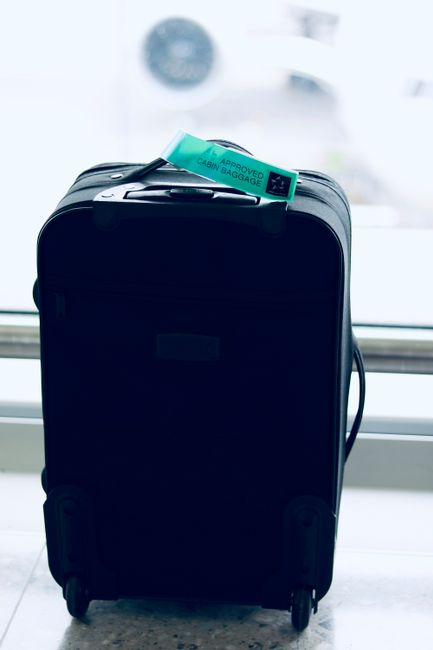
Modern travelers carry more gadgets than ever, yet most airports offer far too few charging outlets. Smart carry-on luggage solves the dead-phone problem with built-in power banks and removable batteries — and a growing number of bags make it harder to lose your luggage entirely by integrating tracker-ready compartments. In this guide you will find the top verified picks for 2026, a plain-English breakdown of how tracking actually works, and the one airline rule you must know before you buy.
Table of Contents
One thing to clear up first: the phrase ‘GPS tracking’ is used loosely in luggage marketing. True GPS requires satellite and cellular connectivity. Most smart bags instead rely on Bluetooth crowd-sourcing networks like Apple’s Find My — which works beautifully in busy airports but won’t update your location in a remote cargo hold. Both approaches are genuinely useful; they just work differently, and choosing the right one depends on how and where you travel.
Quick Answer
For USB charging, the July Carry On and Arlo Skye The Frame Carry-On are top picks — both include removable, airline-compliant batteries with fast-charge USB-C ports. For integrated tracking, the Samsara Tag Smart Carry-On pairs a premium hardshell with a factory-installed, tamper-resistant AirTag compartment (AirTag included). Genius Pack’s Carry On Supercharged is best for interior organization, but its charging capability depends on an optional Power Pack accessory sold separately — check current stock and pricing directly on the brand’s site before buying, since availability shifts frequently. If you want both charging and tracking in one bag, any of the charging-focused bags above can be paired with a separately purchased Apple AirTag slipped into an inner pocket.
What to Look For in Smart Carry-On Luggage
The single most important feature is a removable battery. The FAA has long required that any lithium battery in luggage be easily removable by hand, and U.S. airlines enforce this rule with zero exceptions. A bag with a non-removable battery can be turned away at the gate. Look for a battery that slides or pops out without tools, and confirm this before purchasing.
For charging specs, USB-C with Power Delivery (PD) or Quick Charge (QC) support means noticeably faster phone top-ups than a plain USB-A port. Dual ports — one USB-C, one USB-A — are more practical than single-port setups if you carry a mix of cables and devices. Battery capacity varies by brand and model, so check the specific product page for the current mAh rating and how many charges it’s rated to deliver rather than relying on marketing copy alone.
For tracking, decide which ecosystem fits your devices. Apple users get the best experience from AirTag-integrated luggage: AirTag leverages the Find My network of Apple devices worldwide and costs nothing monthly, with each tag running a modest one-time price. Android travelers are better served by a Tile tracker or a dedicated cellular GPS device. True GPS trackers provide continuous real-time global tracking but typically require a monthly subscription and need regular recharging, while AirTag runs on a coin cell battery lasting roughly a year.
Other features worth checking: a TSA-approved combination or digital lock, smooth 360-degree spinner wheels (Japanese-made bearings tend to roll quietest on polished airport floors), and confirmed dimensions within your most common airline’s overhead bin limit — typically around 22 x 14 x 9 inches for U.S. domestic carriers, though international low-cost carriers often impose stricter limits.
Top Smart Carry-On Picks Compared
July Carry On — Best overall value with included battery. The ejectable battery delivers USB-C charging and is approved for all airlines. Anodized aluminum corner bumpers protect against damage, and July backs the bag with a lifetime warranty and a trial period. It’s a well-rounded choice for both frequent and occasional travelers, and it’s one of the more accessible bags on this list that ships with a battery already included. Confirm current pricing on July’s site, as it can change.
Arlo Skye The Frame Carry-On — Best for power users. The removable battery supports fast USB-C Power Delivery and Quick Charge charging standards, meaning it can top up a smartphone substantially in well under an hour. The zipperless aluminum-frame design is highly durable, with Japanese spinner wheels and a premium build. It sits at the higher end of this list’s pricing; check Arlo Skye’s site for the current figure and available capacity.
Samsara Tag Smart Carry-On — Best tracking-first pick for Apple users. Rather than building in a charging battery, Samsara engineered a secure AirTag slot that is visible from outside the bag but accessible only from inside — making it very difficult to remove without opening the case. An AirTag comes included. The bag runs on the heavier side for a carry-on, but the tracking integration is the most polished design in the category. Pricing sits in the premium tier; verify the current figure before buying.
Genius Pack Carry On Supercharged — Best organizational layout, when in stock. This lightweight polycarbonate bag earns repeat buyers for its intelligently divided interior: dedicated compartments for tech accessories, undergarments, and a built-in garment loop that keeps clothing wrinkle-free. Important clarification: on Genius Pack’s own product page, the Carry On Supercharged has frequently shown as sold out, and its USB charging depends on the Power Pack, which is listed as a separate optional accessory rather than something included with the bag. Do not assume a specific battery capacity ships in the box — confirm current availability, price, and whether a power pack is bundled directly on geniuspack.com before buying. Travelers specifically prioritizing plug-and-play USB charging out of the box are better served starting with the July Carry On; those who value smart packing organization and don’t mind buying (or already own) a separate power bank may still find the Genius Pack shell worth it if and when it’s back in stock.

AirTag vs. True GPS: Which Tracker Belongs in Your Bag?
An Apple AirTag is not technically a GPS device. It uses Bluetooth to communicate with nearby iPhones and Macs, which anonymously relay its location back to you through Apple’s Find My network. In a busy airport terminal or on a city baggage carousel, this works extremely well and updates arrive quickly. In a cargo hold or a low-traffic remote area, updates can slow to a trickle or stop entirely. Advantages: no subscription fee, coin cell battery lasts roughly a year, works with any iPhone via the built-in Find My app. Android users cannot track AirTags — a dealbreaker worth knowing before buying AirTag-integrated luggage.
A dedicated cellular GPS tracker connects directly to satellites and cellular networks for continuous real-time location worldwide — including cargo holds and international routes. That capability comes at a cost: most devices carry an upfront cost plus a recurring monthly subscription fee, and the tracker itself needs to be recharged periodically depending on usage. For most leisure travelers, AirTag coverage at major airports covers the scenarios where bags actually go missing. Frequent international business travelers or anyone checking bags on long multi-leg itineraries may find real-time GPS tracking worth the recurring cost.
Tips and Common Mistakes
Always remove the battery before checking a bag — even if you plan to carry on. Gate-checking happens with no warning, and an airline agent can confiscate a bag if the battery is still inside. Get in the habit of sliding the power bank into your personal item or jacket pocket whenever there is any chance the suitcase won’t travel in the cabin with you.
Don’t buy a bag with a non-removable battery regardless of how attractive the price. Brands still selling non-removable battery luggage are not compliant with FAA regulations. Verify the removal method before purchasing — a battery that requires a screwdriver to remove does not meet the airline standard.
When shopping for luggage marketed as having ‘USB charging,’ check carefully whether a power bank is actually included or just a pass-through port — and whether that power bank ships with the bag or is sold as an add-on. Many bags — including otherwise excellent options — come with an external USB port but require you to supply or separately purchase your own power bank. Verify the current product page before buying, not just the marketing description or older reviews.
Check your specific airline’s carry-on dimensions before buying. A bag marketed as ‘airline approved’ is typically sized for U.S. domestic overhead bins, but European and Asian low-cost carriers often have stricter size and weight allowances. Measure the exterior with wheels and handles included, since that is what the gate agent measures.
Add an AirTag even if your luggage does not have a dedicated slot. A small AirTag wallet or an interior zip pocket works perfectly. Knowing exactly which baggage carousel your bag ended up on — or being able to pinpoint that it’s still at the connection airport — is worth the modest one-time cost.
Explore more: Travel guides and gear reviews.
smart carry-on luggage with USB charging and GPS tracking FAQs
Can I take smart luggage with a built-in battery on a plane?
Yes, provided the battery is easily removable by hand and stays under the lithium battery watt-hour limit for carry-on without special airline approval. If your bag is checked or gate-checked, you must remove the battery and bring it into the cabin yourself. Bags with non-removable batteries are banned on all U.S. airlines under FAA rules, with zero exceptions.
Is an Apple AirTag the same as GPS tracking for luggage?
No. AirTag uses Bluetooth to ping nearby Apple devices, which anonymously report its location to you via Apple’s Find My network — no satellites or cellular data are involved. It works well in busy airports but can go quiet in cargo holds or remote areas with few Apple devices nearby. A dedicated GPS tracker uses satellite and cellular data for continuous global tracking, but requires charging and usually a monthly subscription fee.
How much does smart carry-on luggage with USB charging typically cost?
It varies widely and changes often, so treat any specific figure as a starting point rather than a guarantee. Budget options with only a USB pass-through port (you supply your own power bank) tend to sit at the lower end of the market. Bags that include a removable battery ready to use out of the box, like the July Carry On or Arlo Skye Frame, cost more, and premium options like Arlo Skye and Samsara Tag Smart sit at the top of the range. Some bags, like Genius Pack’s Carry On Supercharged, sell the power pack as a separate accessory and periodically go out of stock entirely — always check the brand’s own product page for current price and what’s actually included before buying.
Make Your Digital Life Better
More practical tech how-tos, tool picks, and guides to upgrade your everyday digital life. More on GTWebs.
Photo by Edgar Okioga on Pexels.