

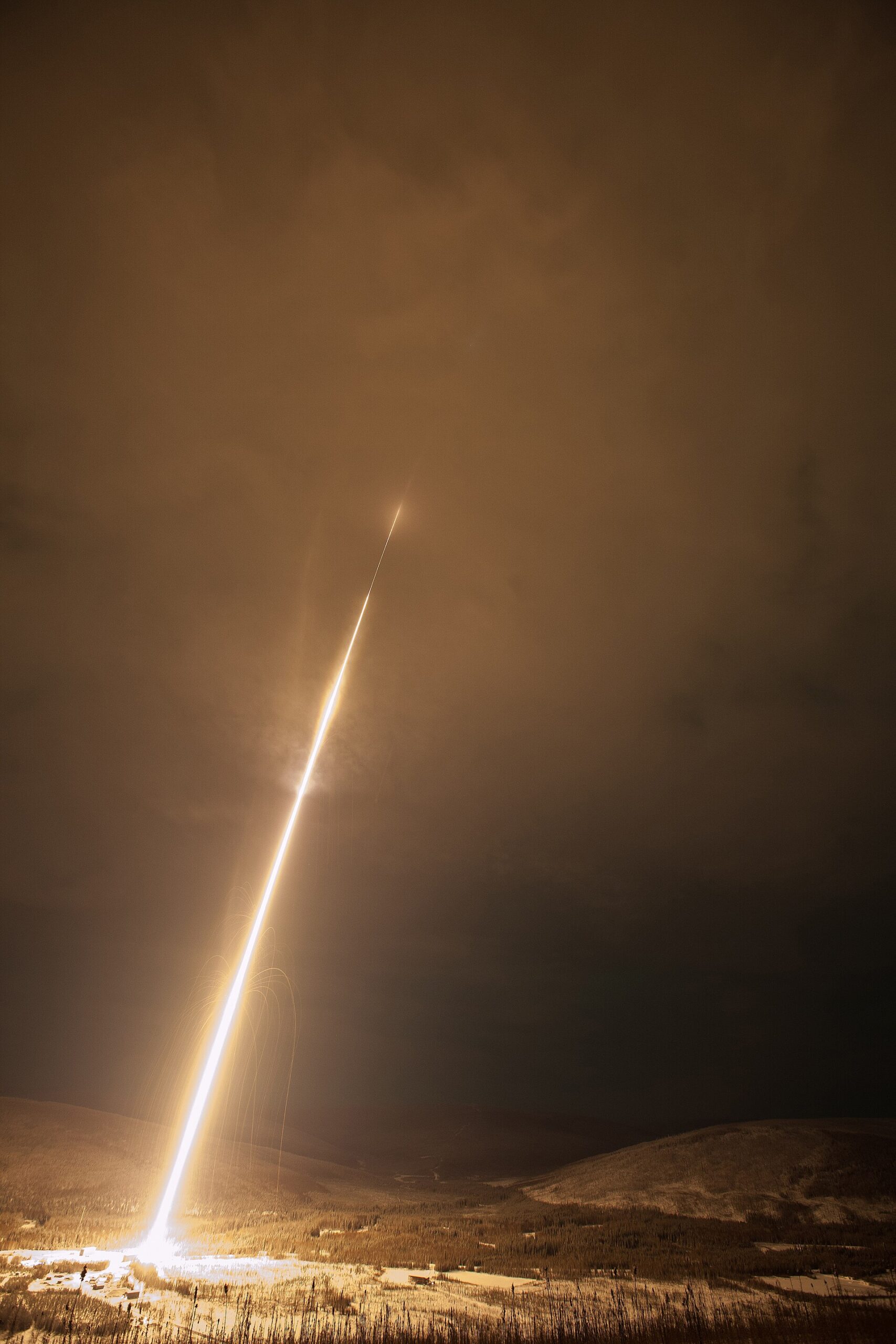
Watching a rocket climb off the pad and punch through the clouds is one of those experiences that photos never quite capture — the light, the delayed roar of the engines, the crowd holding its breath. The good news is you don’t need a NASA badge to see it. The US has four active orbital launch sites with public viewing areas ranging from free beaches to paid bleacher seats a few miles from the pad.
Table of Contents
This guide covers where to stand for each major launch site — Florida’s Space Coast, Vandenberg in California, SpaceX’s Starbase in Texas, and Wallops Island in Virginia — plus the planning details that actually matter: how close you can legally get, what it costs, and how to avoid getting stuck in traffic instead of watching the launch.
Quick Answer
For most people, the best all-around option is Florida’s Space Coast: free spots like Playalinda Beach and Space View Park in Titusville put you within a few miles of Kennedy Space Center and Cape Canaveral pads, and it’s the busiest launch site in the country, so there’s almost always something scheduled. If you’re willing to pay for a closer view of a Cape Canaveral Space Force Station launch, The Gantry at LC-39 is Kennedy Space Center’s closest ticketed viewing area. If you want the closest possible free view, South Padre Island’s Isla Blanca Park is about 5 miles from SpaceX’s Starbase in Boca Chica, Texas.
Florida’s Space Coast (Kennedy Space Center & Cape Canaveral)
This is the busiest launch complex in the US, with frequent SpaceX Falcon 9 flights plus ULA and NASA missions, so it’s the easiest place to actually catch a launch on a given trip. For free viewing, Playalinda Beach inside Canaveral National Seashore offers an open, unobstructed shoreline view of the pads — arrive early since the park fills up and gates can close once capacity is reached. Other solid free options include Space View Park and Kennedy Point Park in Titusville, Jetty Park in Port Canaveral, and Cocoa Beach Pier.
If you want to get closer, the Kennedy Space Center Visitor Complex sells tickets to viewing areas on launch days. The Gantry at LC-39 is the closest paid viewing area to the Cape Canaveral Space Force Station pads, at roughly 2.3 miles from SLC-41 and about 3.4 miles from SLC-40 — but it sits too close to Launch Complex 39A and 39B, so it isn’t offered for launches from those pads. For LC-39A launches (most SpaceX crew and heavy-lift missions), the closest paid alternative is Banana Creek near the Apollo/Saturn V Center, roughly 3.9 miles from that pad with bleacher seating. Which viewing area is sold depends on the specific launch, pad, and Space Force range safety rules, so check the Kennedy Space Center site as your date approaches.
Vandenberg (California), Starbase (Texas), and Wallops Island (Virginia)
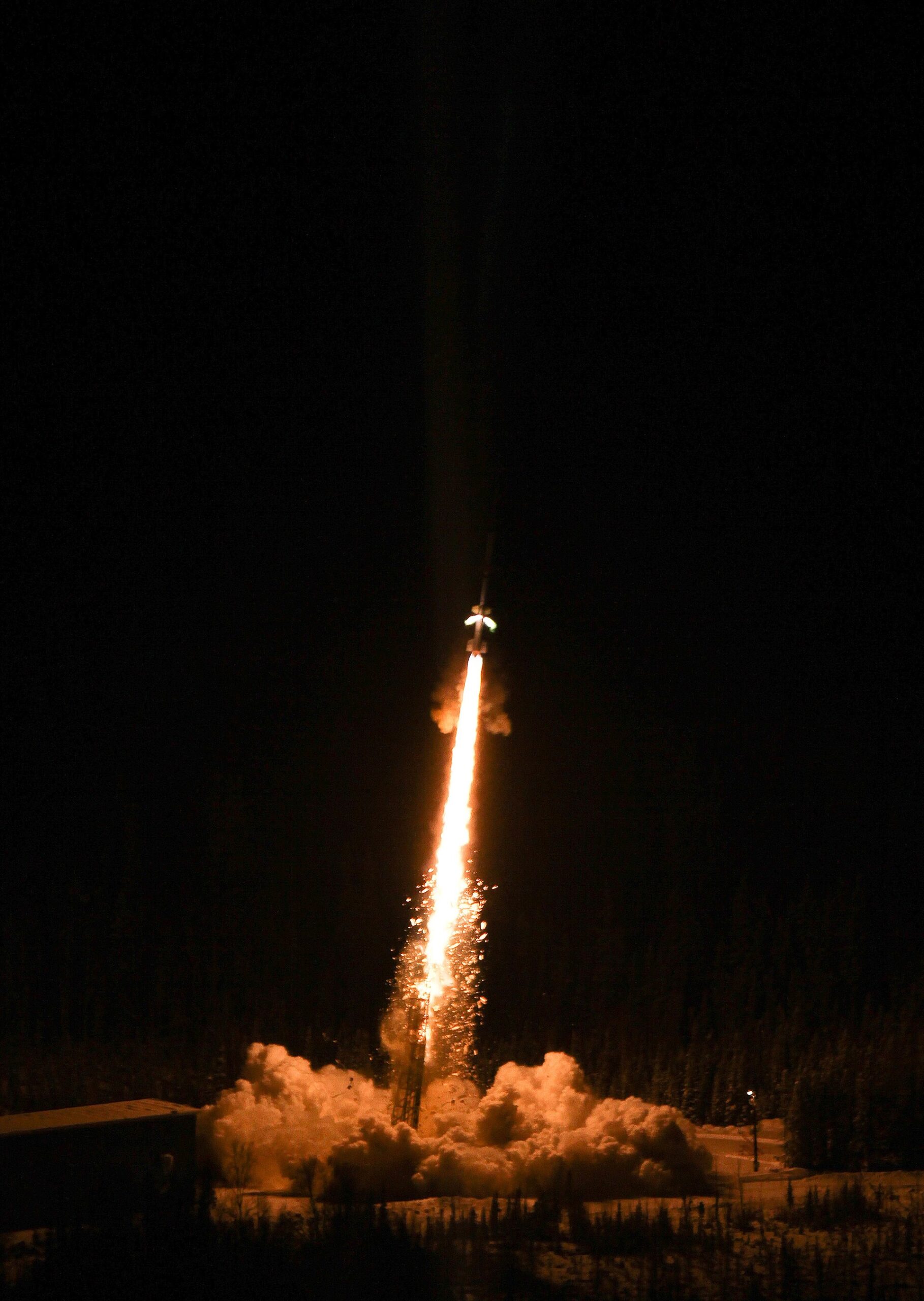
Vandenberg Space Force Base near Lompoc, California launches polar-orbit missions, and on clear days the plume is visible as far as Santa Barbara and Los Angeles. Good free public spots just outside the base include Ocean Avenue and Surf Beach near the main gate, Firefighter Road, Riverbend Park, and Allan Hancock College (about nine miles out). If coastal fog rolls in, the Highway 246 corridor east of Lompoc gives you an inland, elevated alternative.
For SpaceX’s Starship test flights out of Starbase in Boca Chica, Texas, the closest legal public vantage point is Isla Blanca Park on South Padre Island, roughly 5 miles across the ship channel from the pad. It has parking, restrooms, and grills, but it fills up fast — for major test flights, lines start forming the night before and gates typically open in the early morning hours. Direct beach access at Boca Chica itself is frequently closed during launch operations, so don’t count on it.
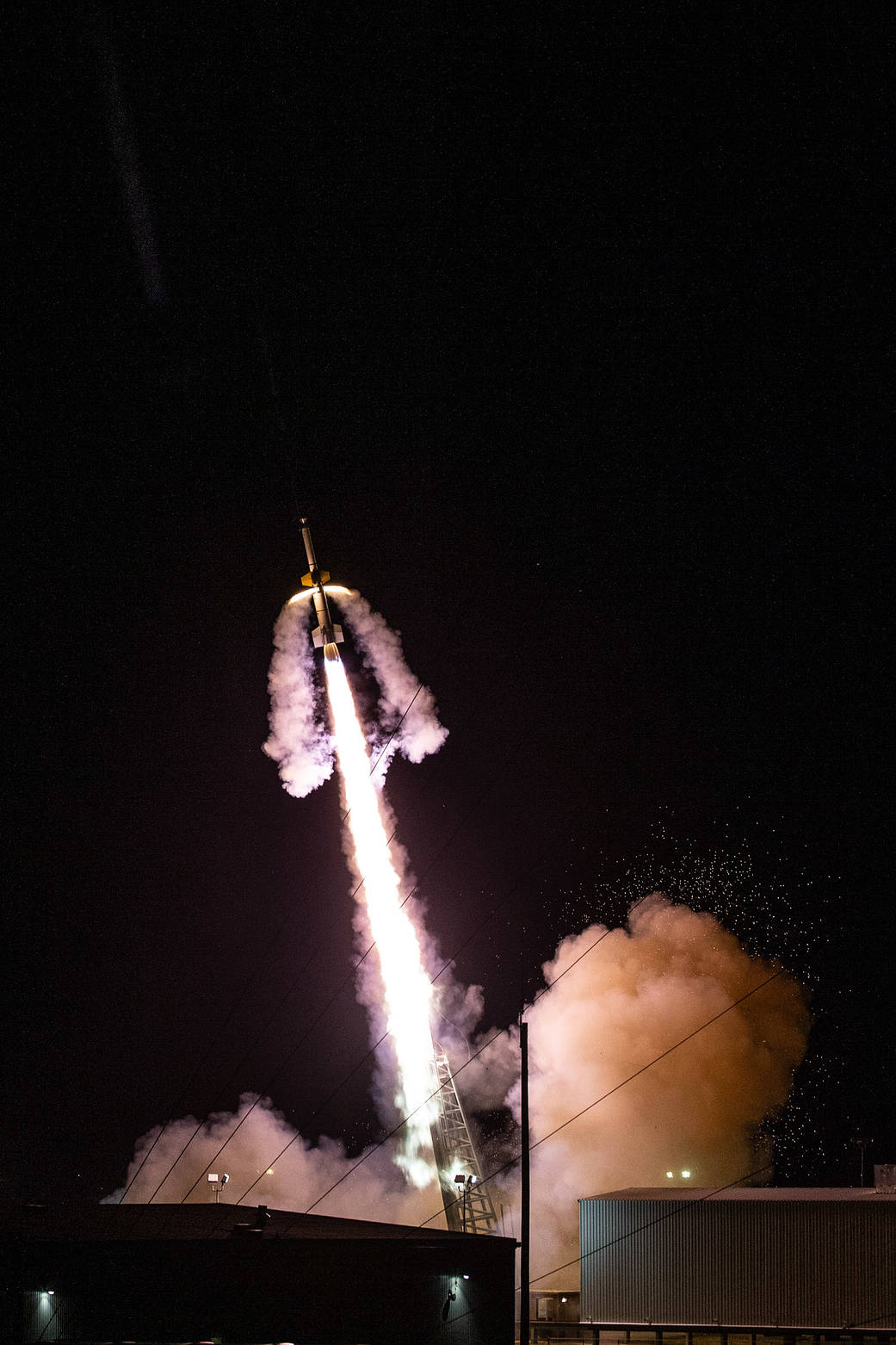
NASA’s Wallops Flight Facility on Virginia’s Eastern Shore launches Antares resupply missions and smaller sounding rockets. The Wallops Visitor Center Launch Viewing Area is free, first-come first-served, and includes bleacher seating plus a live audio feed from Range Control. It’s less crowded than Florida or Texas, but launch dates here are usually confirmed only a couple of months out, so keep checking the schedule.
Tips and Common Mistakes
Confirm the launch time the day of, not just the week before — rocket launches scrub and reschedule constantly due to weather, range conflicts, or last-minute technical holds, and launch windows can be instantaneous or shift by hours. Build in a backup day if you’re traveling any real distance for one.
Arrive far earlier than feels necessary. Popular free spots like Playalinda Beach and Isla Blanca Park can reach capacity and close gates before the launch window even opens, and traffic around Titusville or South Padre Island backs up badly in the last hour before a big launch.
Bring a portable radio or a phone with a strong signal — official viewing areas often broadcast the countdown, and knowing the T-minus count helps you know where to look and when to start shooting. Sound also arrives seconds after you see the ignition flash, so don’t be alarmed when the roar is delayed.
Don’t obsess over camera gear at the expense of watching it live. A wide-angle lens or even your phone captures the trail fine; if this is your first launch, spend at least the first ignition looking with your own eyes instead of through a viewfinder.
Explore more: more space guides and launch coverage.
Best US rocket launch viewing spots FAQs
Do I need a ticket to watch a rocket launch in the US?
No. Every major US launch site has free public viewing areas — Playalinda Beach and Titusville in Florida, Ocean Avenue and Surf Beach near Vandenberg, Isla Blanca Park near Starbase, and the NASA Wallops Visitor Center in Virginia. Paid tickets, like Kennedy Space Center’s Gantry and Banana Creek packages, just get you closer.
How close can the public get to a rocket launch pad?
It varies by site, pad, and mission, but public areas are typically a few miles out for safety reasons. At Kennedy Space Center, The Gantry at LC-39 is the closest paid viewing area for Cape Canaveral Space Force Station pads, at roughly 2.3 to 3.4 miles out, though it isn’t offered for Launch Complex 39A/39B launches — those instead use Banana Creek, the closest paid alternative for that pad at about 3.9 miles. Isla Blanca Park near Starbase is roughly 5 miles from the Boca Chica pad.
Which US launch site has the most frequent launches to watch?
Florida’s Space Coast (Kennedy Space Center and Cape Canaveral Space Force Station) sees by far the most launch activity, driven mostly by SpaceX Falcon 9 missions, so it offers the best odds of catching a launch on a given visit.
What should I do if a launch is scrubbed while I’m there?
Scrubs are common, so check for a backup launch date before you travel and be ready for the window to slip by hours or days. Most launch providers and visitor centers post updated timing on their websites and social channels as soon as a new attempt is set.
Make Your Digital Life Better
More practical tech how-tos, tool picks, and guides to upgrade your everyday digital life. More on GTWebs.
Photo: NASA Goddard Space Flight Center / CC BY 2.0, via Wikimedia Commons.