

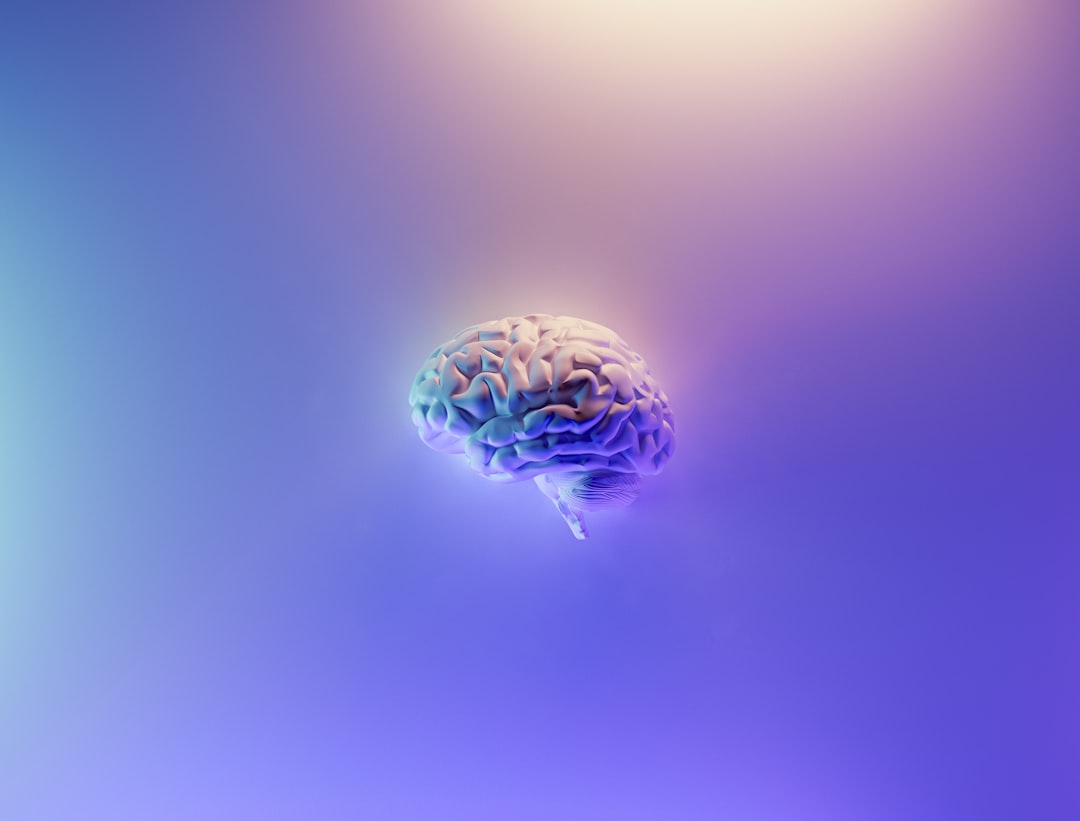
Tell someone they are taking a powerful painkiller — even if the pill contains nothing but sugar — and their brain may actually begin releasing the same natural opioids a real painkiller would trigger. The placebo effect is one of the most misunderstood phenomena in medicine. For decades, it was dismissed as a trick of the mind, a nuisance variable to be controlled away in clinical trials. Modern neuroscience tells a very different story.
Table of Contents
Brain imaging, biochemical assays, and immune-system studies now show that placebo responses involve concrete, measurable biological events: shifts in neurotransmitter activity, changes in how pain signals travel through the spinal cord, and alterations in immune-cell behavior. Understanding the mechanisms behind the placebo effect changes how we think about healing, the doctor-patient relationship, and the power of expectation itself.
Quick Answer
Yes, the placebo effect produces real, physical changes in the body. When a person believes they are receiving an effective treatment, the brain can release endorphins, alter dopamine activity, modulate immune function, and visibly change its own activity patterns on brain scans — none of which are imaginary.
What Actually Happens in the Body
The most well-documented physical mechanism is endorphin release. In pain studies, giving someone a placebo analgesic causes the brain to produce its own opioid compounds — the same class of molecules that prescription painkillers mimic. Researchers confirmed this by showing that when participants were given a drug that blocks opioid receptors, the placebo’s pain-relieving effect disappeared alongside it. This is direct evidence that the brain is doing something biochemically real, not just ‘deciding to feel better.’
Dopamine is another documented player. In people with Parkinson’s disease — a condition defined by dopamine-producing neurons dying off — placebo injections have been shown to measurably increase dopamine activity in the brain’s reward circuitry. The nucleus accumbens, a region central to reward and motivation, shows heightened activity in placebo responders.
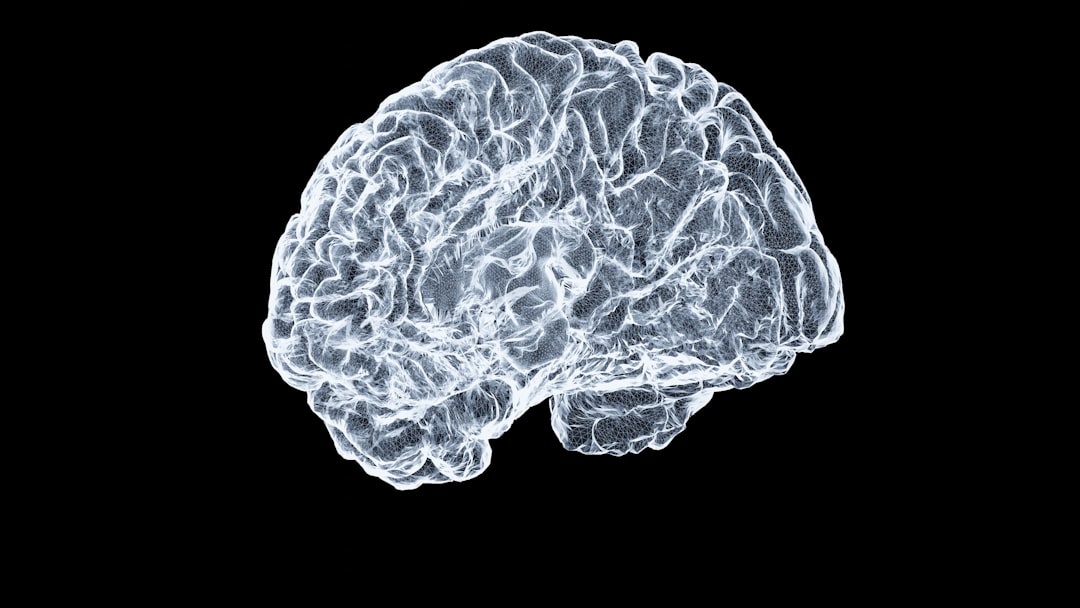
Brain imaging has made this visible. Functional MRI studies show that patients experiencing genuine placebo-induced pain relief display measurable increases in activity in specific regions of the frontal lobe, as well as changes in the brainstem and amygdala. These are not vague signals — researchers can distinguish placebo responders from non-responders by reading their brain scans.
The immune system also responds. Through a process called conditioned immunosuppression — a form of classical conditioning applied to the body’s defenses — prior exposure to real immune-modulating drugs can later trigger similar immune responses when people are given an inert substitute. Studies have measured reduced production of specific immune-signaling proteins in conditioned participants, showing that the immune system can be ‘taught’ to respond to a signal that carries no active ingredient.
What the Placebo Effect Can and Cannot Do
The placebo effect works best on symptoms that the brain actively regulates: pain, nausea, cough, anxiety, depression, fatigue, and symptoms of conditions like irritable bowel syndrome and Parkinson’s disease. These involve neural pathways where expectation, conditioning, and neurotransmitter shifts can genuinely alter how the body behaves. Coughs, for instance, have a strong brain-mediated component, which is why placebo cough syrups perform remarkably well in clinical trials.
There are clear limits, however. A placebo will not shrink a tumor, lower your cholesterol, kill a bacterial infection, or repair torn cartilage. The brain cannot manufacture antibiotics or physically reconstruct damaged tissue. Confusing ‘placebos can ease pain’ with ‘placebos can cure disease’ is a leap the evidence does not support — and it is the foundation on which much ineffective alternative medicine builds its case.
One of the most striking recent discoveries is that you don’t even need to be deceived for a placebo to work. Studies on open-label placebos — where patients are explicitly told they are taking a sugar pill — still show benefits for chronic pain and other conditions. A 2025 meta-analysis published in Scientific Reports found that openly administered placebos reduced musculoskeletal pain compared to no treatment. The ritual of taking a pill, showing up to an appointment, and having a clinician’s attention may itself be enough to activate these biological pathways.
The Role of Ritual, Authority, and Expectation
Research from Tufts University suggests the placebo effect may be rooted in an ancient biological system — a kind of internal ‘health governor’ that decides when the body should commit metabolic resources to recovery. This governor appears to be powerfully influenced by social cues: treatments delivered by credible, authoritative figures in clinical settings tend to produce stronger placebo responses than the same treatment delivered without context. Seeing a doctor in a white coat, hearing a confident explanation, receiving attentive care — these signals appear to give the body biological ‘permission’ to mount a healing response.
Conditioning is the other major engine. If a patient has taken a particular medication for months and it has always helped, the brain builds an association between the ritual of taking that pill and feeling better. This is essentially Pavlovian conditioning applied to human physiology. Later, even a substitute pill can trigger the conditioned response — and researchers can measure that response in blood and brain tissue, not just in self-reports.
Tips and Common Misconceptions
Placebo effects are not just ‘pretending to feel better.’ Self-reported improvement is only one dimension; the biochemical and neuroimaging data make clear that physical changes are occurring in measurable systems. When someone dismisses a therapy by saying ‘it’s just placebo,’ they are inadvertently acknowledging that the brain changed something real — which is itself a remarkable thing.
Don’t assume a placebo response means the original diagnosis was wrong. Genuine diseases can show genuine placebo responses. Parkinson’s disease is a clear example: the underlying neurodegeneration continues, but dopamine activity can temporarily improve through the placebo mechanism, producing real, if transient, symptom relief.
The magnitude of a placebo response varies widely between individuals and conditions. Some people are consistent ‘high responders’ and others are not — and researchers are actively studying whether genetics, personality, or prior conditioning history explains the difference. Treating the placebo response as a single uniform thing oversimplifies a complex, multi-pathway biological phenomenon.
Finally, the nocebo effect — the placebo’s dark twin — is equally real. Negative expectations can cause measurable physical harm: increased pain, worsened side effects, and adverse physiological changes. The same biological machinery that the placebo leverages for good can work against a patient who is told to expect bad outcomes. This is why how clinicians communicate with patients is not just a matter of bedside manner — it has direct biological consequences.
Explore more: Explore more science articles.
Placebo effect FAQs
Is the placebo effect just psychological, or is it physically real?
Both. The placebo effect is psychological in origin — it begins with belief, expectation, and conditioning — but it produces physically measurable outcomes: endorphin release, dopamine activity changes, immune system shifts, and visible alterations in brain activity captured by fMRI scans. The mind-body distinction breaks down here; mental states are implemented in biology.
Can placebos work if you know you’re taking one?
Surprisingly, yes. Studies on open-label placebos — where participants are openly told the pill contains no active ingredient — have shown genuine benefits for chronic pain and other conditions. Researchers believe the ritual of taking a pill, the clinical setting, and a trusted provider’s attention can activate the same biological pathways even without deception.
Why does the placebo effect seem stronger in some people than others?
Researchers are still investigating this, but factors that appear to matter include prior conditioning history (how reliably past treatments worked), personality traits linked to response expectancy, and possibly genetics. The context of treatment — how it’s delivered, by whom, and with how much confidence — also significantly affects response magnitude across virtually all individuals.
Make Your Digital Life Better
More practical tech how-tos, tool picks, and guides to upgrade your everyday digital life. More on GTWebs.
Photo by Milad Fakurian on Unsplash.