

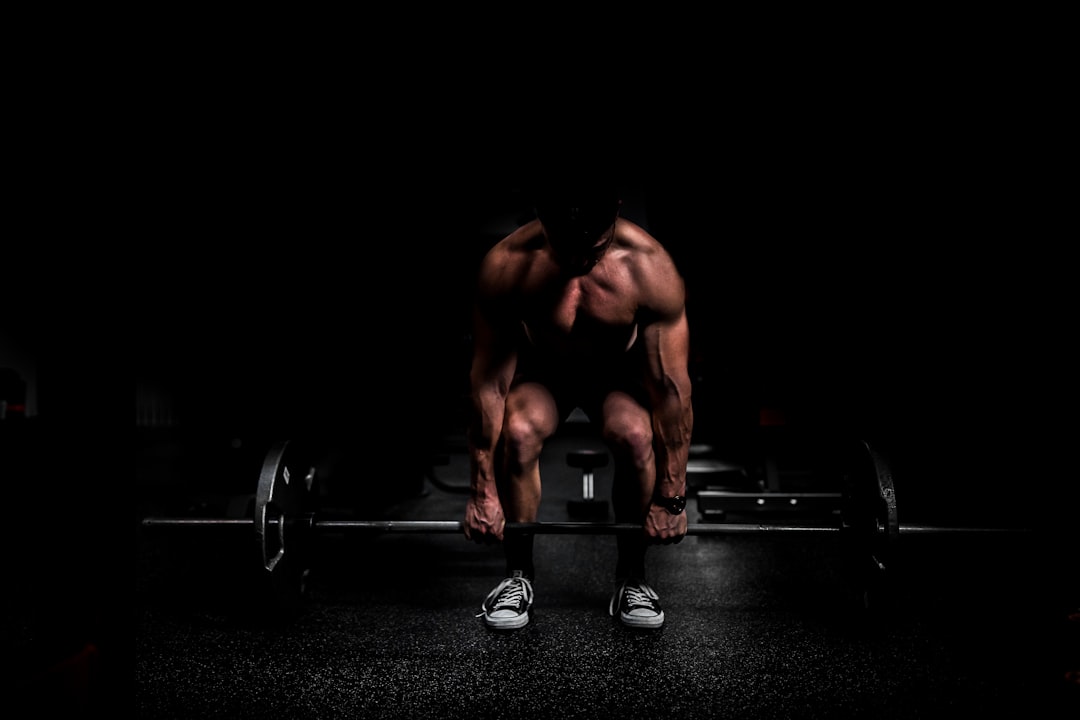
You finish a workout feeling great — then wake up the next morning barely able to walk down the stairs. That familiar deep ache, known as Delayed Onset Muscle Soreness or DOMS, is one of the most common experiences in exercise, yet it’s also one of the most misunderstood. The burning you felt during the workout isn’t the same thing. DOMS shows up later, typically 12 to 24 hours after you stop, and peaks somewhere between one and three days post-exercise.
Table of Contents
The good news: DOMS is a normal part of how your body adapts and gets stronger. The better news: once you understand what’s actually happening inside your muscles, you can make smarter choices about how to train, recover, and avoid the worst of it. Here’s what science currently knows about why DOMS happens — and what actually helps.
Quick Answer
DOMS is caused by microscopic damage to muscle fibers during exercise — particularly during eccentric (muscle-lengthening) movements — which triggers an inflammatory response that peaks 24–72 hours later. It is not caused by lactic acid buildup, which clears from your muscles within an hour of exercise.
What’s Actually Happening Inside Your Muscles
When you push your muscles beyond what they’re used to, especially during movements where a muscle lengthens under load (more on that below), tiny structural disruptions occur inside the muscle fibers. Research points to damage at the Z-lines — the structural anchors inside each muscle unit (called a sarcomere) — as a primary site of injury. These micro-tears don’t just sit quietly; they set off a cascade.
In the hours that follow, your body sends in an inflammatory response: blood flow increases to the area, immune cells arrive to begin repair, and chemical signals including histamines and prostaglandins sensitize local pain receptors. That’s the ache you feel when you sit down too fast the next day. A more recent line of research also suggests that small-scale damage to the nerves associated with muscle spindles may contribute to the pain signal, not just the muscle fibers themselves — though this area of science is still developing.
One thing scientists are confident about: lactic acid is not the culprit. This was a popular theory for decades, but lactic acid levels return to normal within an hour of finishing exercise, long before DOMS soreness even begins. The delayed timeline alone rules it out.
Why Eccentric Exercise Causes the Most Soreness
Not all muscle contractions are created equal when it comes to DOMS. Eccentric contractions — where the muscle lengthens while under tension — cause significantly more microscopic damage than concentric contractions (where the muscle shortens). Think of lowering a weight slowly, walking downhill, the descent phase of a squat, or the lengthening stroke of a bicep curl. Your muscles are resisting a force while being stretched, which places far greater mechanical stress on the muscle fibers.
This is why brand-new exercisers get hit hard, why runners coming off a downhill race can barely walk, and why adding a slow lowering tempo to your strength training makes the next day noticeably harder. Isometric exercises (holding a static position) produce much less soreness, and purely concentric movements produce almost none.
There’s a silver lining called the repeated-bout effect: once you’ve done an exercise that caused DOMS, your muscles adapt and the same workout causes significantly less soreness the next time. This is why the first leg day of a new program is always the worst. Your body is a fast learner — the adaptation begins almost immediately after the first session.
How to Actually Recover Faster
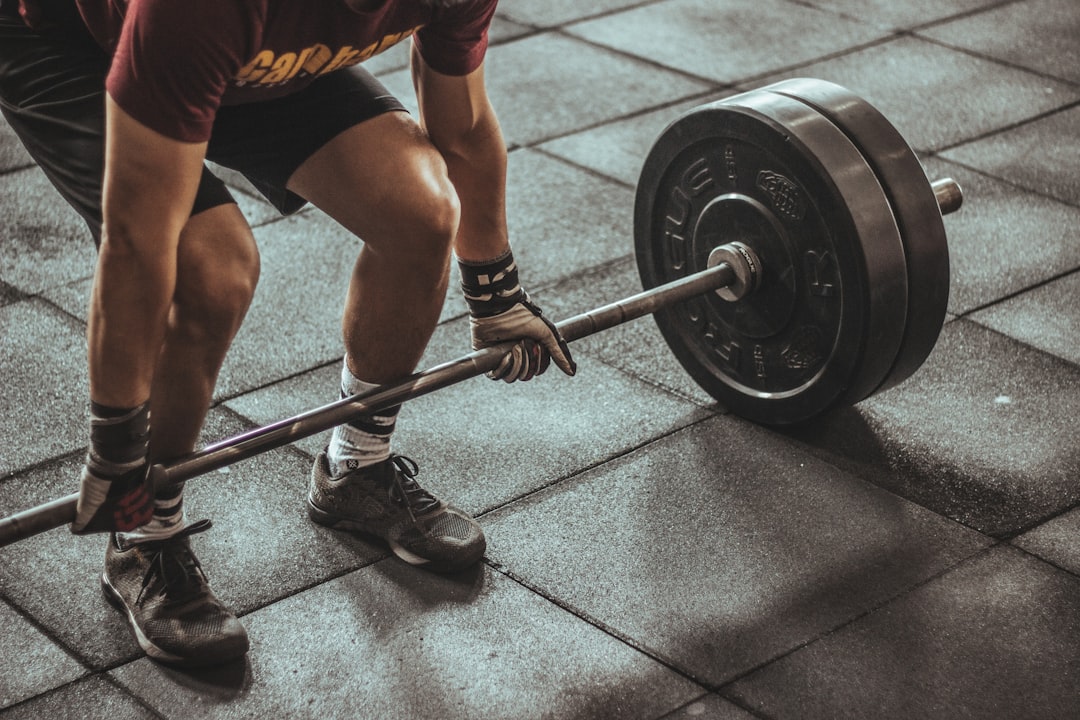
Several strategies have real evidence behind them, even if none will make DOMS disappear overnight. Foam rolling stands out as one of the more reliable options — self-massage techniques have been shown to reduce the intensity and duration of soreness and stiffness, and are easy to do at home. Aim for the affected muscle groups in the days following a hard session, not just immediately after.
Low-intensity movement (active recovery) helps too. Going for a gentle walk, an easy bike ride, or a light swim increases blood flow to sore muscles without adding new stress. Your body is already in repair mode — giving it circulation and oxygen speeds the process. Heat therapy is a useful tool as well, but timing matters: applying heat works best 24 or more hours after exercise, once the acute inflammation has already peaked. In the first 24 hours, cold can help numb the area and reduce swelling.
Cold water immersion (ice baths) can reduce the perception of soreness in the short term, but there’s a trade-off worth knowing: using them immediately after resistance training may blunt some of the muscle-building signal your body sends. If strength and hypertrophy are your primary goals, save the ice bath for after a race or a conditioning session rather than right after lifting.
One thing that doesn’t hold up to scrutiny: static stretching before a workout does not prevent DOMS. Neither does warming up alone. These are still valuable for other reasons, but don’t expect them to shield you from next-day soreness after an unusually intense session.
Tips and Common Mistakes
Gradual progression is the single most effective way to minimize DOMS. Jumping straight into a heavy program after a break, or dramatically increasing your training volume in one week, almost guarantees significant soreness. Increasing load or volume incrementally — rather than all at once — gives your muscles time to adapt between sessions and keeps you in the training game without multi-day shutdowns.
Don’t confuse DOMS with an injury. DOMS feels like a diffuse, bilateral ache that shows up a day later, peaks around day two, and steadily improves on its own within a week. An injury typically produces sharp or pinpoint pain that appears during the exercise itself, may be one-sided, and doesn’t improve — or worsens — over days. If pain is severe, highly localized, accompanied by significant swelling, or still present after a week, that’s a reason to see a healthcare provider rather than push through. One specific warning sign: very dark or cola-colored urine after extreme exercise can indicate rhabdomyolysis, a serious condition where large amounts of muscle breakdown products enter the bloodstream, and requires immediate medical attention.
Finally, don’t train intensely through severe DOMS on the same muscle group. Light activity is fine and helpful, but adding heavy eccentric load to a muscle that’s still in the middle of repair can increase damage further. Give the affected muscles roughly 48 to 72 hours before going hard again.
Explore more: Explore more science articles.
DOMS (Delayed Onset Muscle Soreness) FAQs
Is DOMS a sign that your workout was effective?
Not necessarily. DOMS indicates your muscles experienced more stress than they were adapted to — which can happen with a new exercise, a new movement pattern, or an unusually hard session. It’s not a reliable measure of workout quality or progress. Experienced athletes often see little DOMS even during productive training because their muscles have adapted.
Should you exercise when you have DOMS?
Light, low-intensity movement is generally fine and can actually aid recovery by increasing blood flow to sore muscles. However, it’s best to avoid heavy training of the same sore muscle group until the soreness has mostly resolved — typically within two to three days — to avoid compounding the damage.
Does taking ibuprofen or other NSAIDs help DOMS?
NSAIDs can reduce the pain sensation of DOMS because they dampen the inflammatory response. However, that inflammation is part of the repair and adaptation process. Regular use of NSAIDs after training may blunt some of the muscle adaptation signals, so they’re best reserved for situations where soreness is genuinely impairing function rather than used routinely after every workout.
Make Your Digital Life Better
More practical tech how-tos, tool picks, and guides to upgrade your everyday digital life. More on GTWebs.
Photo by Anastase Maragos on Unsplash.