

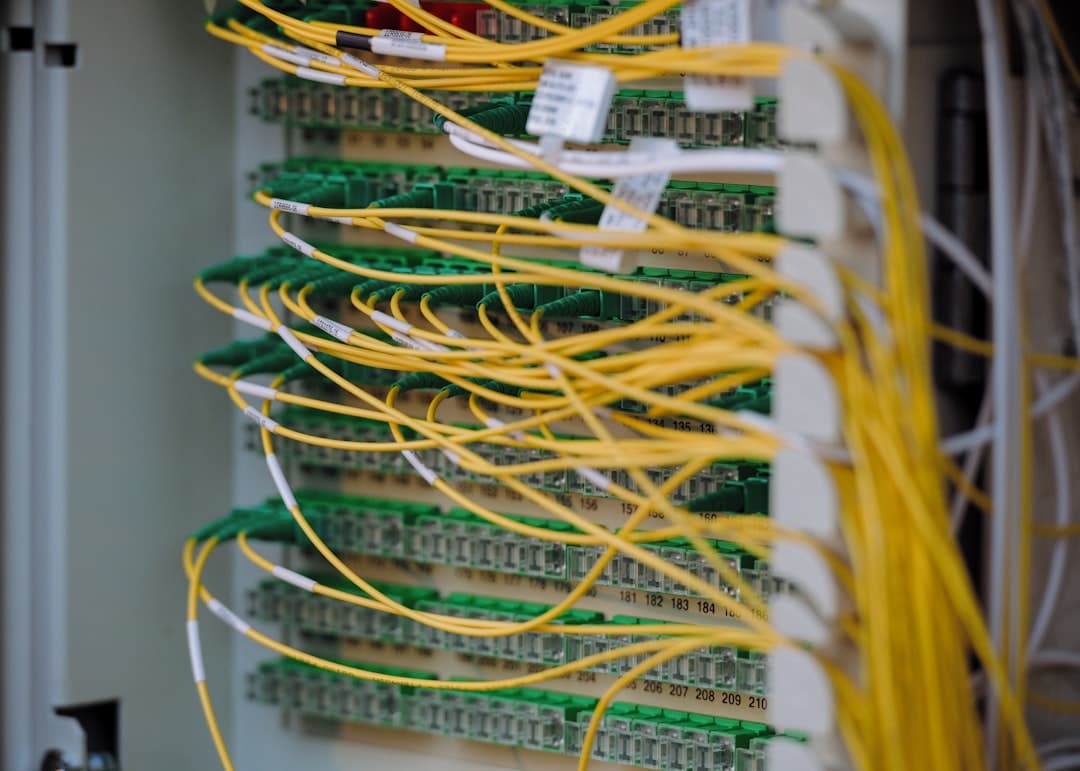
Edge computing is fundamentally reshaping how applications are built and deployed in 2026. Instead of sending every request to a centralized cloud data center, edge computing processes data closer to where it’s generated — at the network edge, in nearby servers, or even on the device itself. As latency-sensitive applications like AI inference, gaming, IoT, and autonomous systems grow, edge computing is becoming essential infrastructure.
Table of Contents
What Is Edge Computing?
Edge computing is a distributed computing architecture that brings processing and data storage closer to the sources of data. Rather than routing everything through a distant cloud region, edge computing places compute resources at the “edge” of the network — physically closer to users and devices.
The concept is simple but the impact is massive. When your data only needs to travel 10 miles instead of 1,000, latency drops from hundreds of milliseconds to single digits. For applications where milliseconds matter, edge computing is the difference between functional and unusable.
5 Critical Problems Edge Computing Solves
1. Latency
The most obvious benefit of edge computing is reduced latency. A request to a cloud server in another region takes 50-200ms round-trip. An edge server in the same city responds in 5-20ms. For real-time applications — gaming, video conferencing, AR/VR, autonomous vehicles — edge computing makes the impossible possible.
2. Bandwidth
Costs IoT devices, security cameras, and industrial sensors generate enormous amounts of data. Sending all of it to the cloud is expensive and slow. Edge computing processes data locally, sending only the relevant results to the cloud. A security camera using edge computing sends “person detected at door” instead of streaming continuous HD video.
3. Privacy and
Compliance Edge computing keeps sensitive data closer to its origin. Healthcare data processed at the hospital, financial data processed at the bank, factory data processed on the factory floor. This simplifies compliance with regulations like GDPR and HIPAA that restrict where data can travel.
4. Reliability
Cloud outages happen. When they do, applications entirely dependent on centralized infrastructure go down. Edge computing provides resilience — local processing continues even when the cloud connection is interrupted. For critical infrastructure like manufacturing, healthcare, and transportation, this reliability is non-negotiable.
5. Scalability
Processing everything centrally creates bottlenecks as data volumes grow. Edge computing distributes the load across thousands of edge nodes, scaling naturally with the number of devices and users without overloading central infrastructure.
Edge Computing Architecture: The 3 Layers
Modern edge computing operates across three layers:
Device
Edge Processing happens on the device itself — smartphones, IoT sensors, autonomous vehicles, and industrial equipment. Apple’s Neural Engine runs AI models directly on iPhones. Tesla vehicles process driving decisions on-board. Device edge computing provides the lowest latency but has limited compute power.
Network
Edge Compute resources deployed at cell towers, ISP points of presence, and regional micro data centers. Cloudflare Workers runs code at 300+ locations worldwide, placing your application logic within milliseconds of virtually every user on Earth. AWS Local Zones and Azure Edge Zones provide cloud services at the network edge.
Regional
Edge Small data centers positioned between the network edge and traditional cloud regions. These provide more compute power than network edge nodes while maintaining lower latency than distant cloud regions. They’re common in gaming, media streaming, and enterprise applications.
Edge Computing and AI: The Perfect Match
Edge computing and AI are converging rapidly in 2026:
- AI inference at the edge: Running trained models on edge devices eliminates cloud round-trips for predictions. Your phone’s face recognition, voice assistant, and camera features all use edge AI
- Federated learning: Training AI models across edge devices without centralizing raw data — preserving privacy while improving model quality
- Real-time AI decisions: Autonomous vehicles, industrial robots, and medical devices need AI decisions in milliseconds. Only edge computing provides the latency these applications require
- AI-optimized edge hardware: NVIDIA Jetson, Google Coral, and Intel Movidius provide specialized AI processing chips designed specifically for edge deployment
Edge Computing Platforms to Know
If you’re building with edge computing, these are the key platforms:
- Cloudflare Workers: The leading edge computing platform for web applications. Run JavaScript, WebAssembly, or Python at 300+ global locations with millisecond cold starts
- AWS Lambda@Edge / CloudFront Functions: Edge compute integrated with Amazon’s CDN
- Fastly Compute: WebAssembly-based edge computing with extreme performance
- Vercel Edge Functions: Optimized for Next.js and frontend applications
- Fly.io: Deploy full application servers close to users worldwide
- Deno Deploy: TypeScript-native edge runtime with global distribution
Edge computing is the infrastructure layer that enables the next generation of applications — from AI at the edge to real-time multiplayer to IoT at scale. As more processing moves from centralized clouds to distributed edge nodes, developers who understand edge architecture will build the fastest, most resilient applications on the internet.
Frequently Asked Questions
What is edge computing in simple terms?
Edge computing processes data closer to where it’s created instead of sending everything to a distant cloud data center. This reduces latency, saves bandwidth, improves privacy, and increases reliability for applications that need fast response times.
How is edge computing different from cloud computing?
Cloud computing centralizes processing in large data centers that may be hundreds or thousands of miles from users. Edge computing distributes processing to locations near users and devices — cell towers, regional servers, or the devices themselves. Many applications use both together.
What are examples of edge computing?
Common edge computing examples include smartphone AI features like face recognition, autonomous vehicle decision-making, IoT sensor processing in factories, content delivery networks serving web pages, and platforms like Cloudflare Workers running application code at 300+ global locations.
Is edge computing the future?
Edge computing is a rapidly growing complement to cloud computing, not a replacement. As AI inference, IoT, AR/VR, and real-time applications grow, edge computing becomes increasingly essential. Industry analysts predict the edge computing market will exceed $200 billion by 2028.