

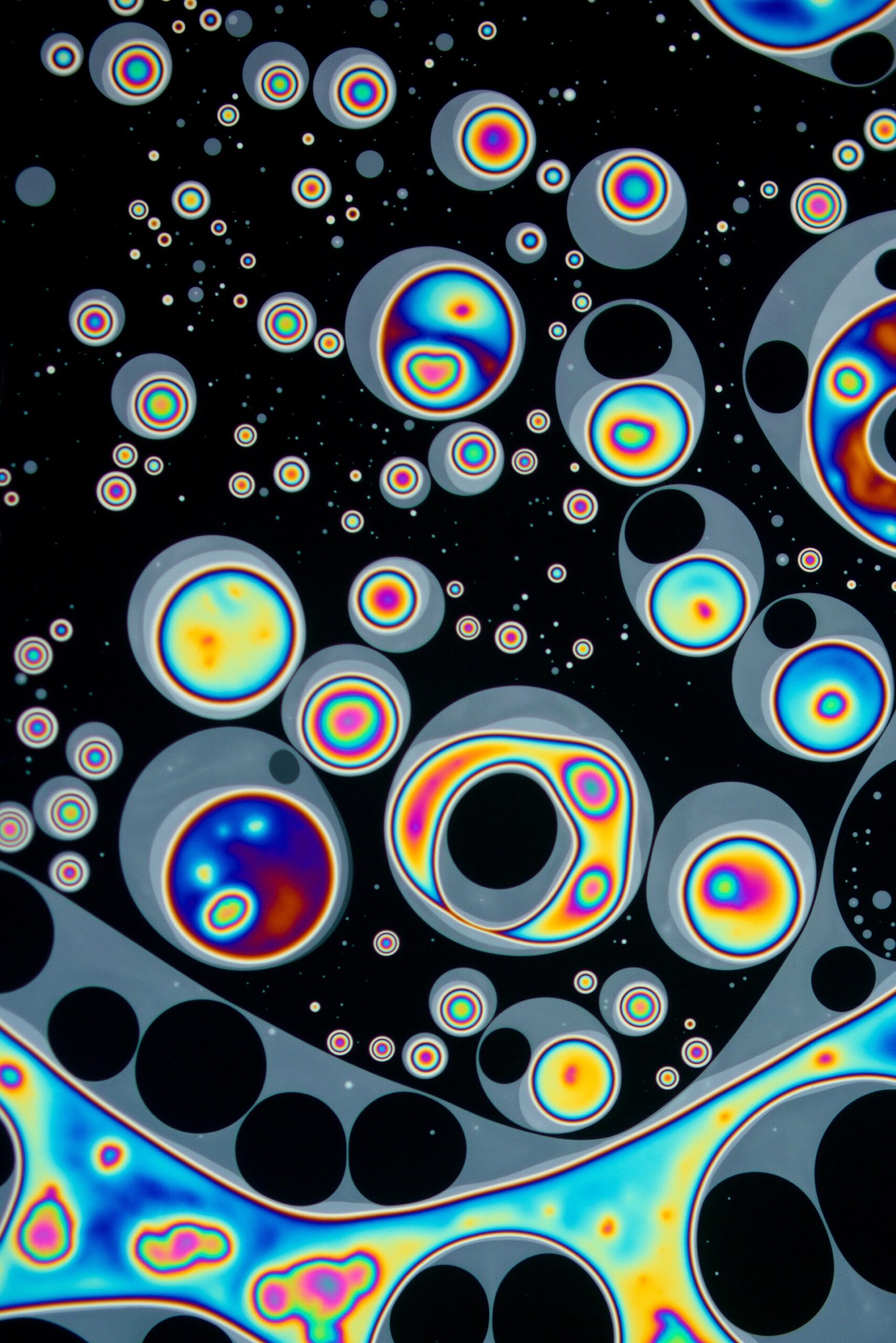
Every time you lather up your hands, you are deploying one of nature’s most effective antiviral weapons. Soap’s ability to dismantle certain viruses is not just a hygiene habit — it is precision chemistry operating at the nanoscale, targeting the exact structural weakness that makes many dangerous viruses vulnerable.
Table of Contents
The secret lies in soap’s split personality at the molecular level, and in a surprising fragility built into how enveloped viruses are assembled. Once you understand what is happening between your hands, the 20-second scrub makes a lot more sense.
Quick Answer
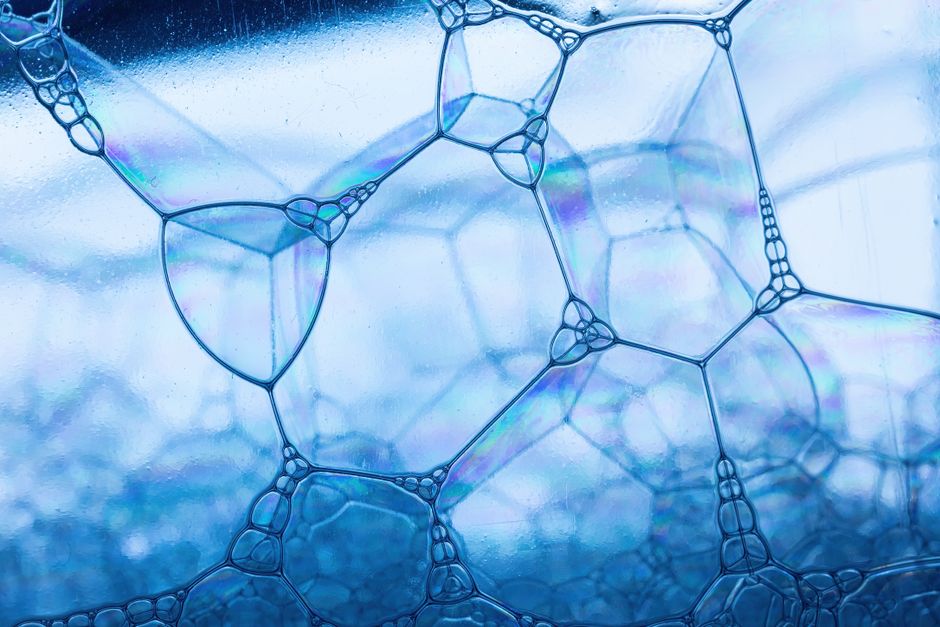
Soap destroys enveloped viruses — including influenza, SARS-CoV-2, HIV, herpes, and Ebola — by inserting its molecules into the virus’s fatty outer membrane and dismantling it from the inside out. The resulting fragments are trapped in water-soluble clusters called micelles and rinsed away. Non-enveloped viruses like norovirus, which lack that fatty membrane, are far more resistant to ordinary soap.
The Molecular Structure of Soap: Built to Breach Fat
Soap molecules are amphiphilic, meaning each molecule has two chemically opposite ends. One end is hydrophilic — it is attracted to water. The other end is hydrophobic — it is repelled by water and attracted to fats and oils. This split nature is the core of everything soap does.
In water, soap molecules spontaneously self-assemble into structures called micelles: tiny spherical clusters where the hydrophobic tails point inward (away from the water) and the hydrophilic heads point outward (toward the water). These micelles are essentially molecular cages that can trap oily or fatty substances and suspend them in water so they rinse away. When soap meets a greasy surface — or a greasy virus — this is exactly what happens.
Why Enveloped Viruses Are Soap’s Perfect Target
Many of the most dangerous viruses — including influenza, SARS-CoV-2, HIV, Ebola, and herpes — belong to a category called enveloped viruses. As they replicate inside a host cell and bud out, they steal a layer of the cell’s own lipid (fat) membrane and wrap it around themselves. This lipid envelope serves two critical functions: it holds the virus together structurally, and it carries the surface proteins the virus uses to latch onto and invade new cells.
Here is the vulnerability: that envelope is held together by relatively weak, non-covalent bonds — the same type of forces that hold soap micelles together. When soap contacts the viral envelope, its hydrophobic tails are chemically attracted to the fats in the membrane and insert themselves between the lipid molecules. As more soap molecules crowd in, they begin pulling lipid molecules out of the viral membrane and incorporating them into mixed micelles. The process is called solubilization, and it is effectively irreversible. The envelope disintegrates — described by researchers as the virus falling apart ‘like a house of cards.’ Without its envelope, the virus cannot bind to host cells, cannot inject its genetic material, and cannot replicate. It is neutralized.
SARS-CoV-2 is a useful illustration: it is a self-assembled nanoparticle, roughly 50 to 200 nanometers across, held together by nothing stronger than those weak non-covalent bonds between its RNA, proteins, and lipids. Soap disrupts all of them at once.
Why Non-Enveloped Viruses Survive Soap
Non-enveloped viruses — including norovirus (the stomach bug), adenovirus, and poliovirus — lack that fatty membrane entirely. Instead, their genetic material is protected by a tough protein shell called a capsid. Soap’s amphiphilic mechanism has no lipid layer to attack, so the capsid largely shrugs it off. Research has confirmed that while enveloped viruses like influenza are inactivated by gentle cleansers, non-enveloped viruses show substantial resistance to ordinary soap and even many common disinfectants. Inactivating non-enveloped viruses typically requires higher-concentration alcohol, bleach-based products, or other more aggressive agents.
Tips and Common Mistakes
Duration and friction both matter. The CDC and WHO both recommend scrubbing with soap for at least 20 seconds. Skin is rough and covered in creases and wrinkles where viruses can hide; vigorous rubbing is what drives the soap into those areas and physically dislodges pathogens, not just the chemical reaction alone.
Plain water is not enough. Water alone has no amphiphilic chemistry. It can mechanically rinse some viruses off the skin surface, but it cannot penetrate and disrupt a lipid envelope the way soap does. Think of trying to rinse grease off a pan with only cold water — the principle is the same.
Antibacterial additives do not help against viruses. Ingredients like triclosan, added to many ‘antibacterial’ soaps, target bacterial cell structures and offer no additional antiviral action. The virus-destroying power comes entirely from the surfactant chemistry — the amphiphilic soap molecules — not from antibacterial additives.
Soap beats hand sanitizer in many real-world situations. Alcohol-based sanitizers (at least 60% alcohol) work on enveloped viruses via a similar lipid-disrupting mechanism, but they are less effective on visibly dirty or greasy hands, and they are far less effective against non-enveloped viruses. Soap combined with rinsing both inactivates and physically removes pathogens, giving it an edge in many everyday scenarios.
Explore more: Explore more science articles.
How soap destroys viruses FAQs
Does soap kill viruses or just wash them off?
Both, depending on the virus type. For enveloped viruses, soap chemically destroys the fatty membrane that holds the virus together, rendering it non-infectious. For all viruses, the surfactant action of soap also lifts particles off the skin surface so they are carried away with the rinse water.
Why can’t plain water kill or remove viruses the way soap does?
Water lacks the amphiphilic (dual oil-and-water-attracting) chemistry of soap. It cannot penetrate and disrupt a lipid envelope, and it cannot form micelles to trap and suspend viral particles for removal. Water alone removes far fewer pathogens than soap and water combined.
Does soap work against norovirus?
Not reliably. Norovirus is a non-enveloped virus — it has a hard protein shell instead of a fatty membrane, so soap’s lipid-disrupting mechanism does not effectively neutralize it. Handwashing with soap still helps mechanically reduce viral load, but for surfaces, disinfectants containing bleach are recommended to inactivate norovirus.
Make Your Digital Life Better
More practical tech how-tos, tool picks, and guides to upgrade your everyday digital life. More on GTWebs.
Photo: KarlGaff / CC BY 4.0, via Wikimedia Commons.