


Tech news roundup for Monday, October 12, 2026 leads with a new report on Apple’s rumored HomeView smart home hub and what it could mean for the company’s smart home ambitions.
Table of Contents
The rest of today’s tech news roundup turns to science: a mouse study on strength training and fat cells, WWF’s new report on global wildlife population declines, and the release of fire-rescued orangutans in Indonesia.

The TLDR
- Tech & Apps: Report: Apple’s HomeView Smart Home Hub Lands in November
- AI Tools: Will Apple’s HomeView Finally Crack the Smart Home?
- Science & Space: Strength Training Reshapes Fat in Mice Before Any Weight Loss
Tech & Apps
Report: Apple’s HomeView Smart Home Hub Lands in November
Apple’s long-rumored smart home hub will reportedly be called HomeView, according to Bloomberg’s Mark Gurman as relayed by 9to5Mac. It’s expected to be unveiled October 13 at Apple’s ‘Welcome home’ event, running on an A18 chip, in up to four colors — space gray, silver, starlight, and pink — for the speaker-style version, with the wall-mounted model limited to silver or space gray. Gurman reports it won’t actually go on sale until mid-November.
AI Tools
Will Apple’s HomeView Finally Crack the Smart Home?
Beyond the hub itself, Apple’s October 13 event is expected to bring updated Apple TV and HomePod mini models, plus a reported partnership with LG covering smart locks, thermostats, and doorbells, according to TechCrunch. The outlet frames HomeView as Apple’s most serious smart home push yet, following years of lukewarm reception for HomeKit and HomePod. Whether a display-equipped, Siri-powered hub changes that will depend on execution once the device ships in November.
Science & Space
Strength Training Reshapes Fat in Mice Before Any Weight Loss
A new study in the journal Life Sciences found that after just seven days of strength training, obese mice showed changes in their fat tissue before losing any weight, per ScienceAlert. Researchers from the University of Campinas in Brazil found the exercised mice had smaller fat cells and less visceral fat around their organs than sedentary mice, even without a change in body weight. The molecular pathways that promote fat storage became less active, while pathways that break fat down became more active.
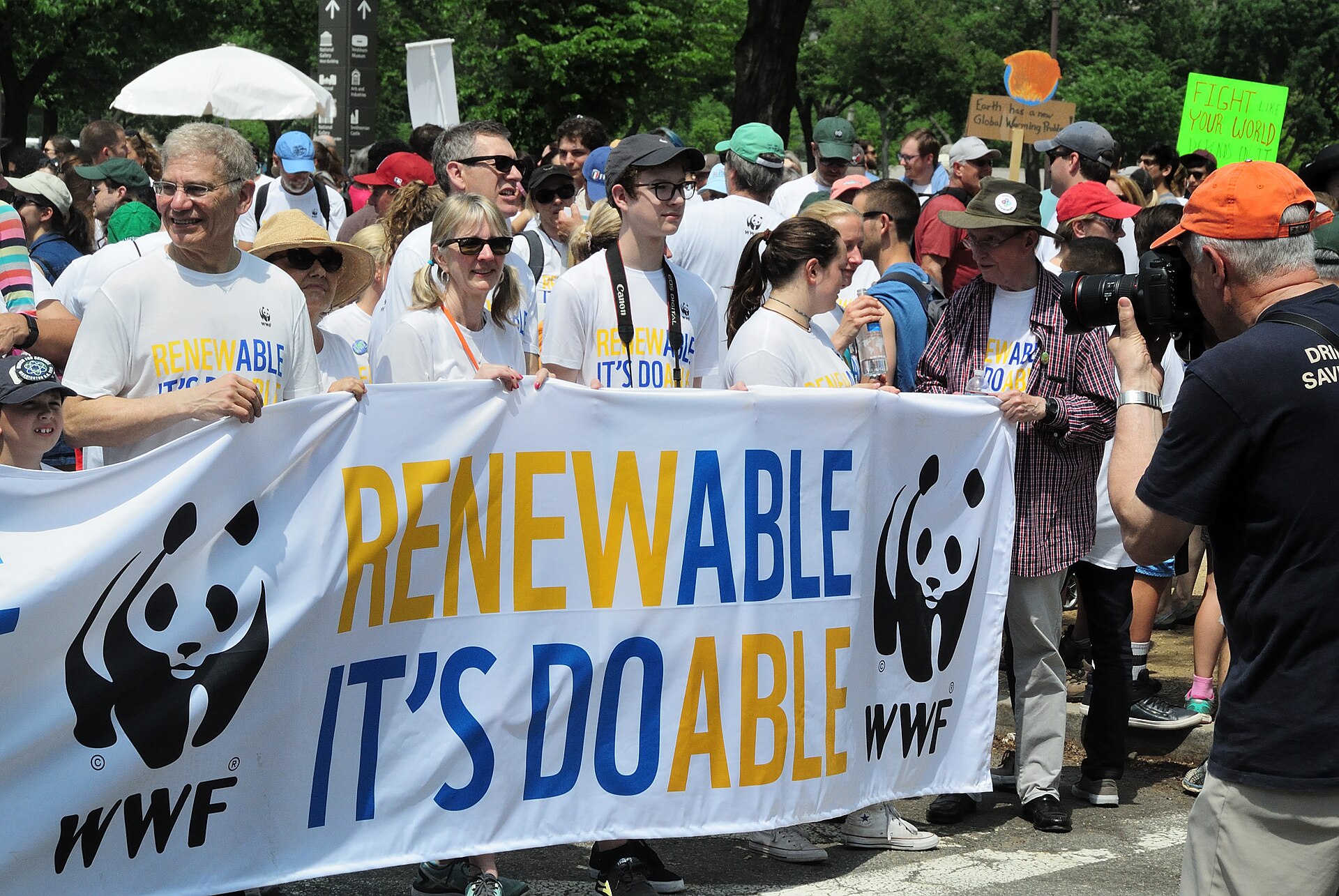
WWF: Monitored Wildlife Populations Down 73% Since 1970
WWF’s Living Planet Report 2026, released last week, found that monitored wildlife populations have fallen by an average of 73% since 1970, Phys.org reports. That figure doesn’t mean 73% of animals are gone — it’s the average decline in the size of the specific wildlife populations being tracked. The report also notes most monitoring happens in protected or undisturbed habitats, so the number may not capture the full global picture.
Eight Orangutans Rescued From Borneo Fires Released Into Protected Forest
Indonesian authorities and the YIARI rehabilitation foundation announced Sunday that eight orangutans rescued from fires on Borneo were released into the Batu Nyambu Protected Forest in West Kalimantan, Phys.org reports. The group — three mother-baby pairs and two younger males — was released the previous Friday, part of 46 orangutans rescued from the blazes since August. YIARI’s operational director said the goal is giving the animals a real chance to survive in the wild, not just moving them to a different location.
Explore more: best AI apps, fix iCloud storage issues.
Tech News FAQs
When is Apple’s HomeView smart home hub coming out?
Apple is expected to unveil HomeView on October 13, 2026 at its ‘Welcome home’ event, but Bloomberg’s Mark Gurman reports it won’t go on sale until mid-November 2026.
Is Grok free to use?
Grok has a free tier with basic chat, voice features, and limited search, but usage is capped, and image or video generation requires a paid SuperGrok plan starting at $30 a month.
How much have wildlife populations declined since 1970?
In this tech news roundup’s science section, WWF’s Living Planet Report 2026 found that monitored wildlife populations have fallen by an average of 73% since 1970, though that reflects tracked population sizes rather than total animal loss.
Make Your Digital Life Better
More practical tech how-tos, tool picks, and guides to upgrade your everyday digital life. More on GTWebs.
Want web tips in your inbox? Subscribe to the free newsletter.
Photo: Fotograaf Onbekend / Anefo, [onbekend] / CC0, via Wikimedia Commons.