

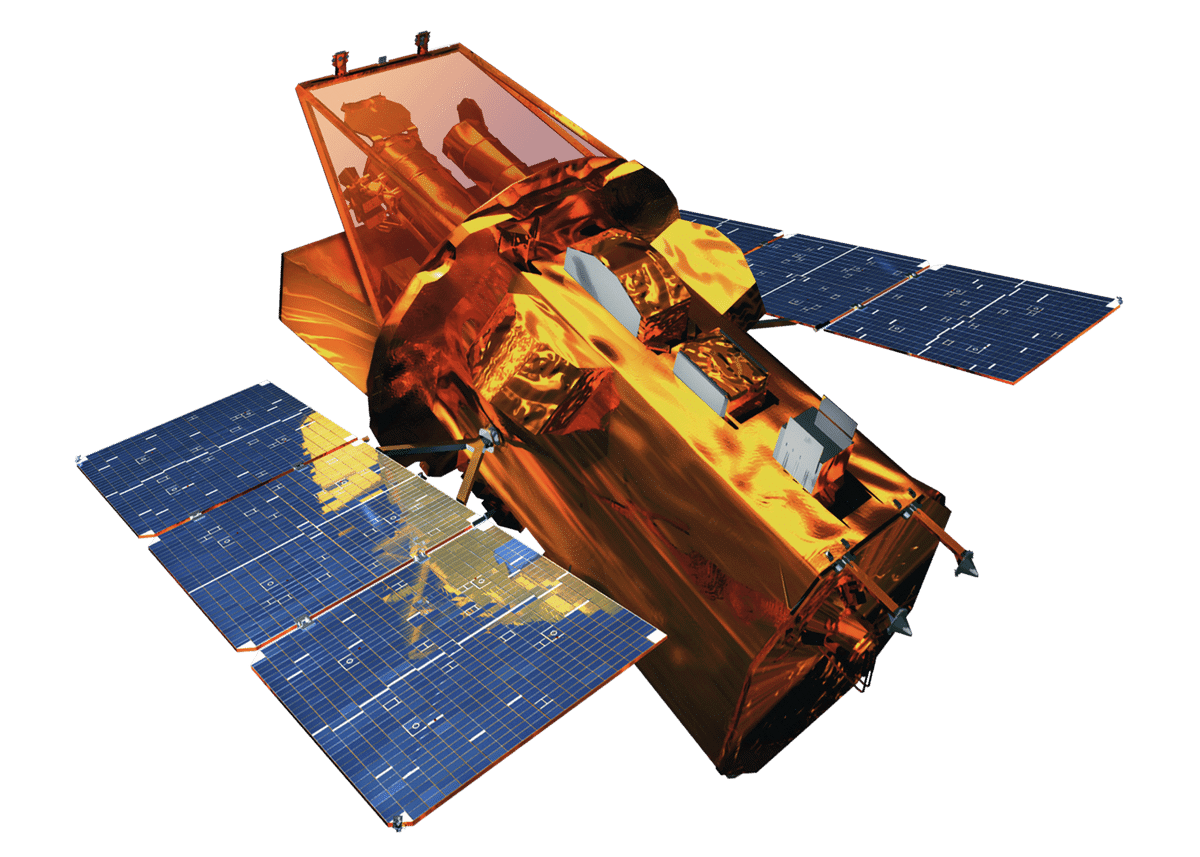
Tech news roundup for Thursday, November 5, 2026: the biggest story today is NASA’s Swift space telescope, which fell back to Earth after a private rescue mission failed to save it, while Google raced out a fix for an Android security flaw that could be exploited without the phone’s owner doing anything at all.
Table of Contents
Also in today’s tech news roundup: X’s web app gets a speed boost, AT&T’s smart home security now talks to Gemini, a key Nintendo Switch cartridge chipmaker is exiting the ROM business, Apple quietly trims its internal AI budget, and new research suggests quantum computers are inching closer to cracking the encryption that protects online banking — plus Sony and Snap’s latest earnings, Apple TV’s newest shows, and a surprising prehistoric fossil find.
The TLDR
- Tech & Apps: Google Patches a Zero-Click Android Security Flaw
- AI Tools: Apple Reportedly Cutting Its Internal AI Budget
- Science & Space: NASA’s Swift Space Telescope Crashes Back to Earth
Tech & Apps
Google Patches a Zero-Click Android Security Flaw
Google’s November security update fixes a critical vulnerability in a core Android component that attackers could exploit without any action from the phone’s owner — no tapped link, no installed app required. Lifehacker reports Google has already issued a fix as part of its monthly Android security bulletin. If you haven’t checked for updates recently, install the latest Android security patch, and see our guide to common Android account settings slip-ups while you’re in there.
X Rolls Out a Faster Web App
X says it rebuilt its web app to load noticeably faster, especially over slow connections, and is rolling the update out gradually, one country at a time, to signed-in users. Principal engineer Yagiz Nizipli detailed the performance work in a company blog post, according to The Verge. Because the rollout is staggered, not every user will see the change right away.
AT&T’s Smart Home Security Now Works With Gemini
AT&T’s Connected Life smart home security system now integrates with Gemini for Home, letting Gemini summarize events captured by home cameras and search through video history. AT&T calls it the first home security product to connect with Google Home Premium, according to The Verge. If you’d rather keep Gemini out of your phone’s defaults even as it expands into your home, see our guide on turning off Gemini as your default assistant on Android.
A Key Nintendo Switch Cartridge Chipmaker Is Exiting the ROM Business
Macronix, a longtime supplier of the ROM chips used in Nintendo Switch and Switch 2 game cartridges, has announced it’s phasing out ROM production to focus on other types of memory chips, according to Ars Technica. The move comes amid a broader memory-chip shortage that has already pushed up component costs across the gaming industry. It’s not yet clear what the shift will mean for the future price or availability of physical Switch games.
VMware Launches a Lighter vSphere Edition for Smaller Servers
VMware released vSphere Express, a new virtualization edition aimed at customers running servers with up to 128 cores. A VMware executive said the product came out of listening to feedback from the company’s lower-end customers, according to Ars Technica. It gives smaller IT shops a cheaper entry point into VMware’s virtualization platform.
Apple TV Adds a Toni Collette Series; a Timberlake Docuseries Is Still Just a Report
Apple has officially announced ‘Lenni,’ a dark comedic mystery series starring Toni Collette as a child welfare worker, based on the Norwegian series ‘Pernille’ and currently filming in Australia, according to 9to5Mac. Separately, and not yet confirmed by Apple, a Variety report says Justin Timberlake is developing a multi-part documentary for the platform. No release date has been set for either project.
Apple Photos Gets New Features in iOS 27
Apple’s iOS 27 update brings a batch of new features to the Photos app, part of a wider release that also touches Messages, Notes, and Wallet, according to 9to5Mac. The headline addition in iOS 27 overall is the new Siri AI, with Photos picking up its own smaller set of improvements alongside it.
Sony Sells More PS5 Games, Still Can’t Keep Up With Console Demand
Sony’s gaming division posted revenue up nine percent and profit up 83 percent year-over-year this quarter, even as PS5 consoles remain hard to find and expensive, according to Engadget. The company sold 2.6 million PS5 consoles this quarter, down from 4 million a year earlier, while software sales continued to grow. Sony says console shortages mean demand is outpacing what it can currently supply.
Snap Passes 30 Million Paid Subscribers
Snap now has more than 30 million paid subscribers across Snapchat+ and its other subscription plans, the company said in its third-quarter earnings, according to Engadget. For comparison, X has roughly 6.3 million paid subscribers across its premium tiers. Snap credited strong demand for its AI-powered effects and features for the growth.
AI Tools
Apple Reportedly Cutting Its Internal AI Budget
Apple is reportedly scaling back how much it spends on AI tools for its own engineering teams, according to a report from TechCrunch. The claim hasn’t been confirmed by Apple, and the report doesn’t specify which teams or products are affected. If accurate, it would mark a notable pullback at a company racing to catch up on AI.
Data Center Opposition Could Escalate After the Midterms
Opposition to new AI data centers crossed party lines in Tuesday’s midterm elections, and TechCrunch reports a bigger political fight over where and how fast data centers get built could follow. Local backlash has centered on concerns like power costs and water use tied to the AI boom. The outcome could shape how quickly tech companies can expand their AI infrastructure.
Science & Space
NASA’s Swift Space Telescope Crashes Back to Earth
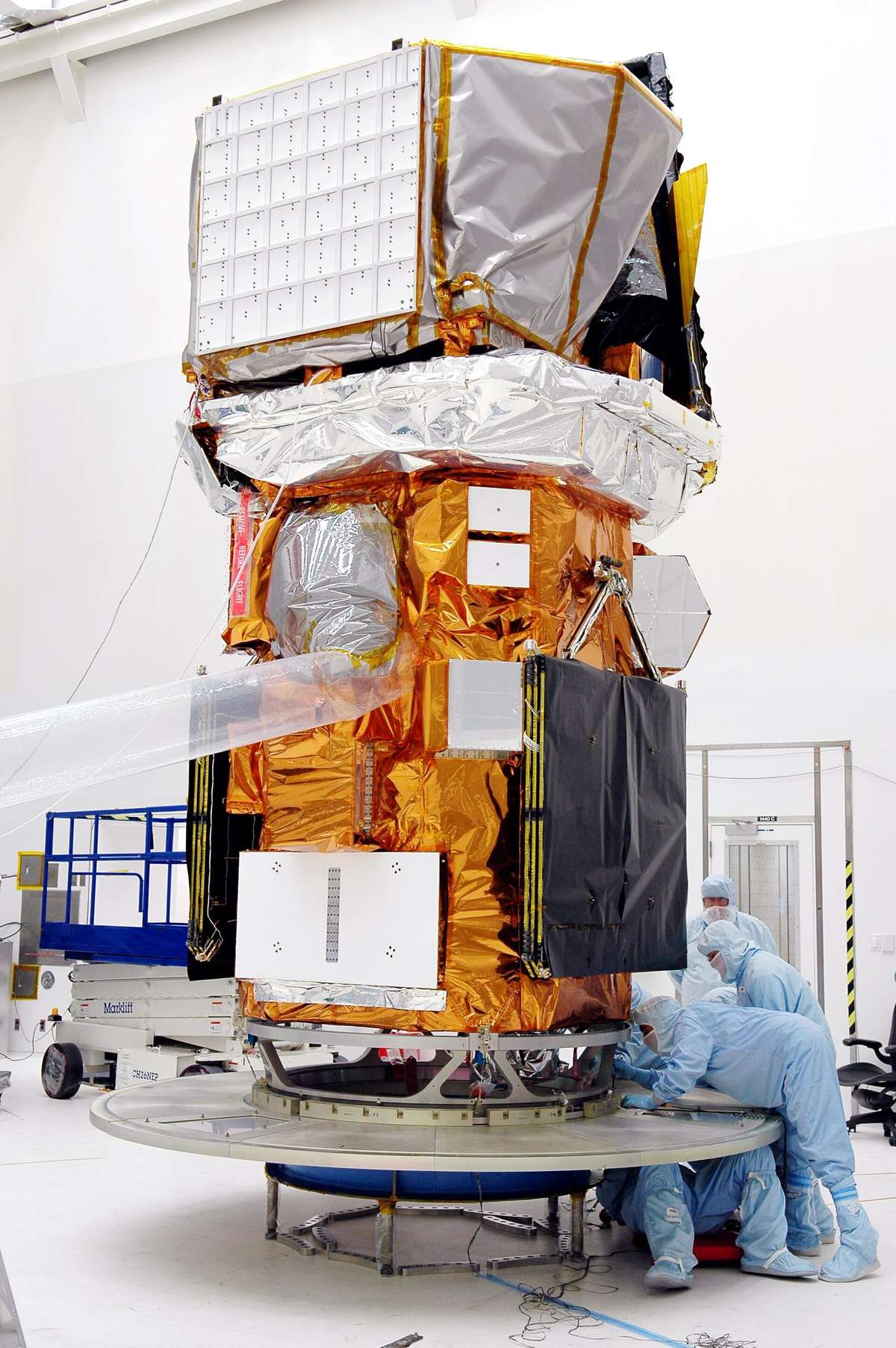
NASA’s Swift space telescope fell back into Earth’s atmosphere on November 4, after a private rescue mission failed to boost it into a higher, more stable orbit, according to Space.com. The rescue spacecraft, launched by Katalyst Space Technologies in July, suffered propulsion and orientation problems and never got closer than about 12 to 15 kilometers to the telescope. NASA says most of the roughly 1,500-kilogram observatory was expected to burn up on reentry, with any surviving debris most likely landing in the ocean.
Study Finds April’s Artemis II Launch Disrupted GPS Signals
A new, not-yet-peer-reviewed study finds that NASA’s Artemis II moon rocket launch in April temporarily tore holes in Earth’s upper atmosphere large enough to cause GPS positioning errors on the ground, according to Space.com. Researchers at National Cheng Kung University in Taiwan used ground-based GPS receiver networks to measure the disturbance, finding it was more intense than those caused by other rocket launches studied so far, including SpaceX Starship test flights. The study’s authors say the effect could matter for technology that depends on precise positioning, like self-driving cars and drones.
New Research Estimates a Future Quantum Computer Could Break Encryption in Days
A new, not-yet-peer-reviewed study from quantum computing firm Alice & Bob estimates that a theoretical quantum computer with roughly 22,600 qubits could break RSA-2048 encryption — the kind used to protect online banking and much of the internet — in about three days, according to ScienceAlert. No quantum computer anywhere near that size currently exists; the largest publicly known qubit array has around 6,100 qubits. The estimate stands out mainly because it’s dramatically lower than earlier predictions, which put the required qubit count in the millions.
Scientists Identify a New Prehistoric ‘Giant Rat’ Species From Thailand
Researchers identified a new extinct rodent species, Yakamys sirindhornae, from two fossilized teeth found in a coal mine in Thailand’s Krabi province, estimating the animal weighed around 30 kilograms (66 pounds) and lived 33 to 35 million years ago, according to Phys.org. That’s roughly half the size of a capybara, the largest rodent alive today. The findings, from a team of researchers in Thailand, France, and Canada, were published in the journal Scientific Reports.
Explore more: common Android account settings slip-ups, turning off Gemini as your default assistant on Android.
Tech News FAQs
Did NASA’s Swift telescope actually crash to Earth?
Yes — NASA says the Swift space telescope reentered Earth’s atmosphere on November 4, 2026, after a private rescue mission failed to boost it into a safer orbit. Most of the roughly 1,500-kilogram spacecraft was expected to burn up, with any surviving debris likely falling into the ocean.
Is my Android phone affected by the new security flaw?
Google’s November security update patches a critical flaw that could let attackers compromise a device without any action from the user. Check your phone’s settings for the latest Android security patch and install it if it’s available.
Is the Justin Timberlake Apple TV docuseries confirmed?
No — as of this roundup, it’s based on a Variety report, and Apple hasn’t officially announced it. Apple has confirmed a separate new series, ‘Lenni,’ starring Toni Collette.
Could a quantum computer really break bank encryption in 3 days?
Not yet. A new, unreviewed study estimates that a quantum computer with about 22,600 qubits could do it, but no quantum computer anywhere close to that size currently exists — the largest known qubit array has about 6,100 qubits.
Why does a chipmaker exiting Nintendo’s ROM chip business matter?
Macronix, a major supplier of the ROM chips used in Switch cartridges, is phasing out that business amid a broader memory-chip shortage. It’s not yet clear how this will affect the price or availability of physical Switch games.
Make Your Digital Life Better
More practical tech how-tos, tool picks, and guides to upgrade your everyday digital life. More on GTWebs.
Want web tips in your inbox? Subscribe to the free newsletter.
Photo: NASA E/PO, Sonoma State University/Aurore Simonnet / Public domain, via Wikimedia Commons.