

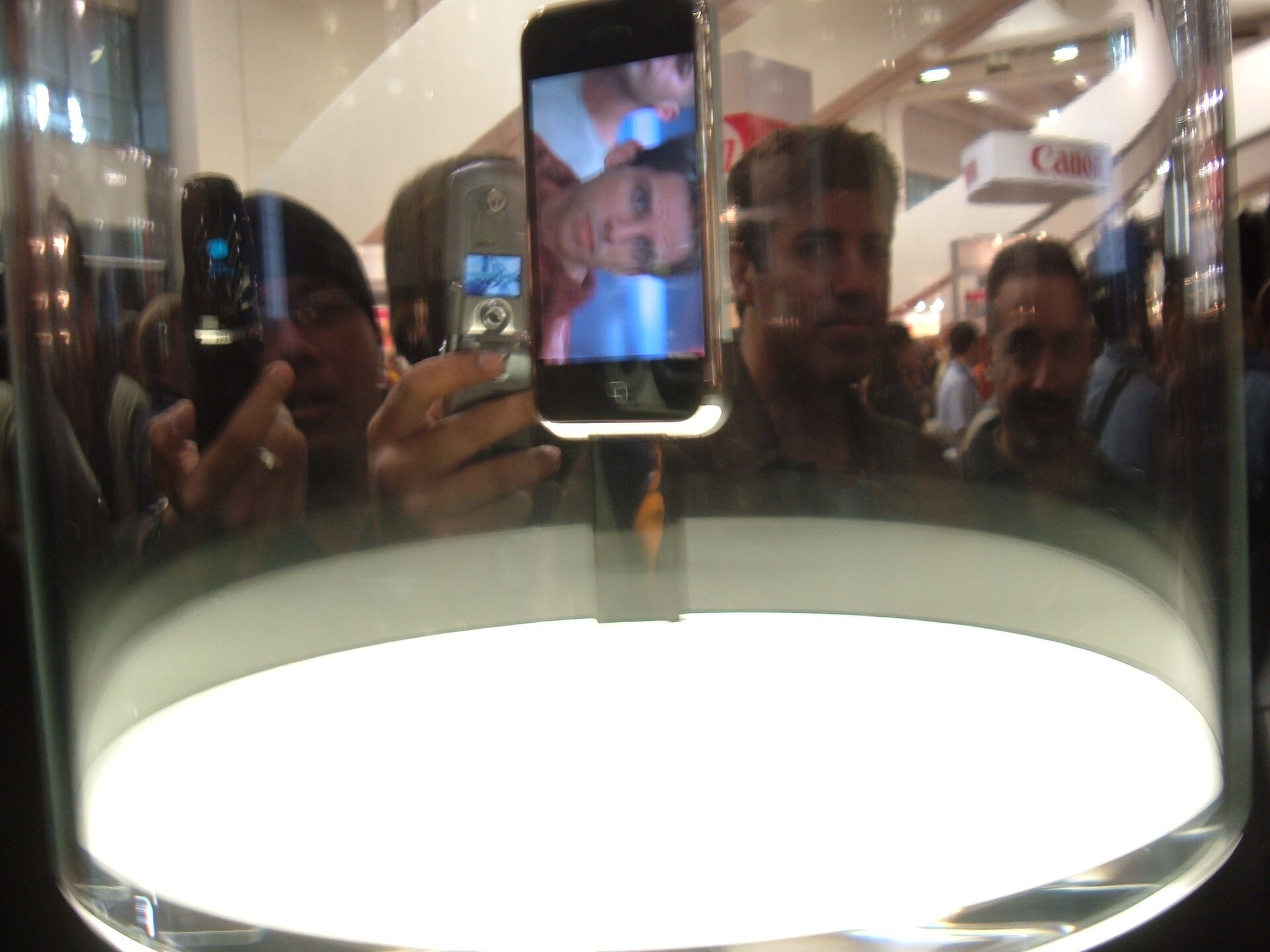
Today’s tech news roundup is led by Apple, which holds its biggest hardware event of the year on September 9 — and just hours before it, Bloomberg’s Mark Gurman reported that Apple’s long-rumored foldable iPhone will be called the iPhone Duo and start around $2,000, a detail Apple itself has not confirmed.
Table of Contents
Beyond that, this tech news roundup also covers Meta’s new personal AI agent Muse, a record-breaking Microsoft Patch Tuesday, Chrome’s faster release schedule, a warning about hackers draining Claude subscribers’ tokens, fresh science on superionic ice, tomato paste, and Venus’s possibly-lost moon, falling global test scores, and a new Wahoo running app for Apple Watch.
The TLDR
- Tech & Apps: Apple’s iPhone Event Is Today — Foldable ‘iPhone Duo’ Rumors Swirl
- AI Tools: Chrome Now Ships New Versions Every Two Weeks
- Science & Space: Scientists Create a New Superionic Form of Ice at Over 2,000°C
- Fitness & Health Tech: Wahoo Launches a New Apple Watch App for Runners
Tech & Apps
Apple’s iPhone Event Is Today — Foldable ‘iPhone Duo’ Rumors Swirl
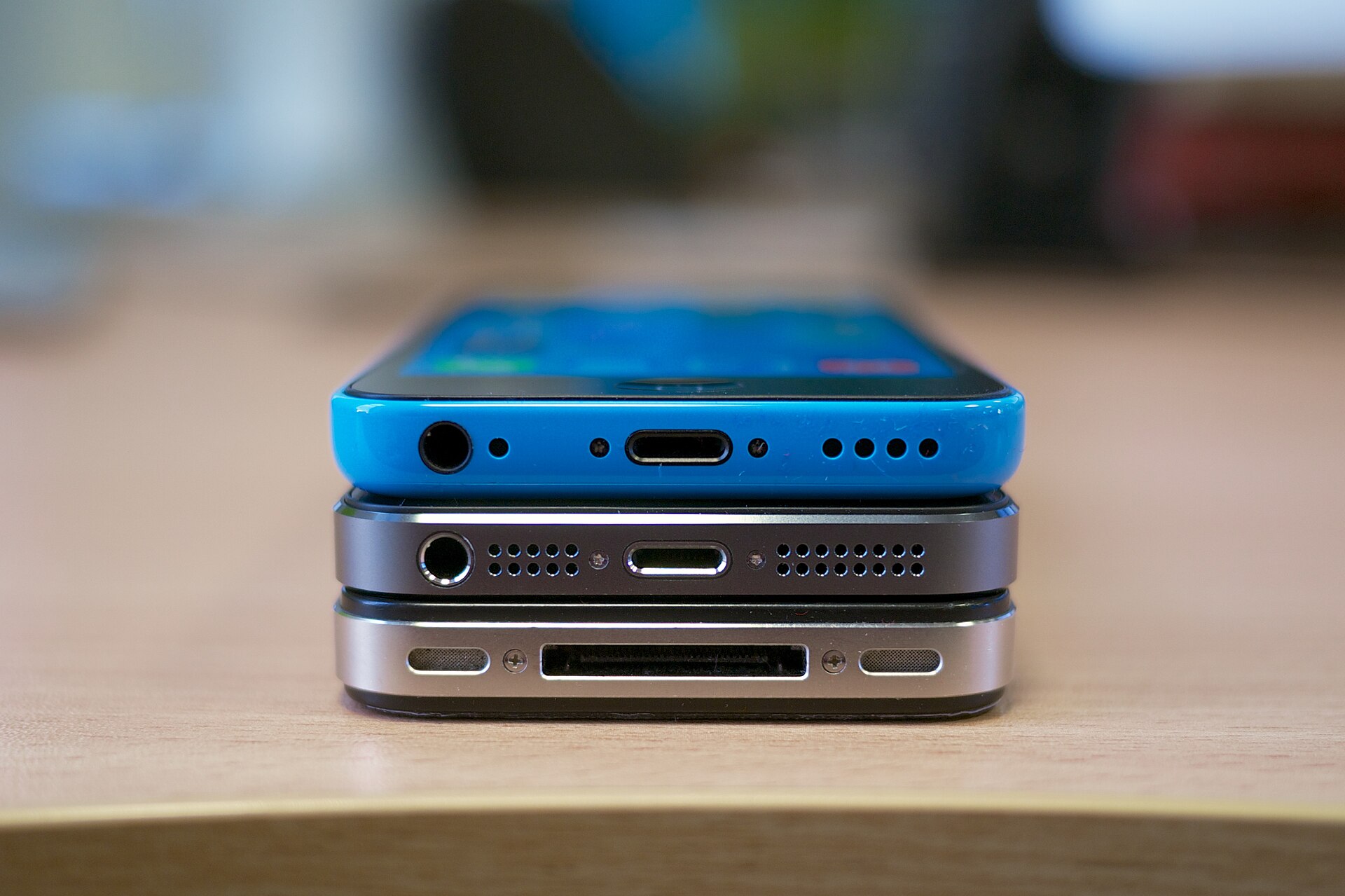
Apple holds its biggest hardware event of the year today, September 9, streaming live at 1 p.m. ET via the Apple TV app, apple.com, and YouTube, according to Engadget. It’s the first keynote led by new CEO John Ternus since Tim Cook moved to executive chairman. Hours before the show, Bloomberg’s Mark Gurman reported that Apple’s long-rumored foldable phone will be called the iPhone Duo and start around $2,000, according to The Verge — though Apple has not confirmed the name or price.
iOS 26.6.2 Fixes a Cellular Update Bug
Apple released iOS 26.6.2 on September 8, a small patch that fixes a bug preventing iPhones from downloading software updates over a cellular connection, according to 9to5Mac. It’s a quick, worthwhile install if you’ve had trouble updating away from Wi-Fi.
Meta Launches Muse, a Personal AI Agent That Gets Things Done
Meta introduced Muse on September 8, a personal AI agent that can shop online, book appointments, and handle tasks like filling out forms rather than just answering questions, according to The Verge. Users chat with it through a dedicated Muse app or inside WhatsApp, and it can connect to outside services. Muse is rolling out in the US, free for basic use with paid subscription tiers for more advanced tasks. If you’d rather limit how much an AI assistant knows about you, GTWebs also has a guide on turning off Google’s Personal Intelligence feature.
White House Pulls Tetris-Style Game After Copyright Warning
The White House’s online “Arcade,” which features games themed around President Trump’s agenda, included a Tetris clone called “Build the Wall,” according to Ars Technica. The Tetris Company publicly distanced itself, saying it “was not involved in the creation of Build the Wall” and that it takes “copyright infringement very seriously.” The White House has since removed the Tetris clone from the Arcade page.
Microsoft’s September Patch Tuesday Fixes a Record 972 Bugs
Microsoft’s September Patch Tuesday update, released September 8, patched 972 vulnerabilities, including 112 rated critical, according to Ars Technica — the largest single Patch Tuesday release on record. Two of the flaws were already being actively exploited before the fix shipped, so Windows users should install the update soon. For another common Windows 11 annoyance, GTWebs has a guide on stopping the “Let’s finish setting up your device” prompt.
AI Tools
Chrome Now Ships New Versions Every Two Weeks
Google moved Chrome from a four-week to a two-week release cycle, starting with Chrome 153 on September 8, according to TechCrunch. Google says the faster cadence shortens the window between when a security flaw becomes known and when it’s patched, especially as AI tools speed up how quickly bugs are found and exploited. Mozilla, Microsoft, and Brave have already moved to similar two-week schedules.
Hackers Are Draining Claude Subscribers’ Tokens With Stolen Logins
Anthropic has warned Claude subscribers that a bad actor is using common infostealer malware to steal login sessions and quietly burn through victims’ token allowances, according to TechCrunch. Affected users first noticed the problem last month, when accounts showed heavy usage despite no active work; Anthropic has since signed out compromised sessions, issued refunds, and warned affected subscribers. One user said Anthropic couldn’t give him an itemized breakdown of the unauthorized usage, making it hard to confirm exactly what happened.
Science & Space
Scientists Create a New Superionic Form of Ice at Over 2,000°C
Physicists created a long-theorized form of ice called hexagonal close-packed superionic ice, generated at temperatures up to roughly 2,357°C using extreme pressure and laser heating, according to ScienceAlert. In this state, oxygen atoms stay locked in a rigid crystal structure while hydrogen moves through it like a liquid. The findings, published in Physical Review Letters, could help explain conditions inside ice giant planets like Uranus and Neptune.
A Tomato Paste Study Links Daily Servings to Brain Changes
In a small Spanish clinical trial, 42 middle-aged adults who ate 35 grams of tomato paste daily for three months showed improved selective attention and a slight boost in associative memory on cognitive tests, according to ScienceAlert. Brain scans from a subset of 14 participants showed changes in connectivity across brain networks, though the researchers caution the study was small, unblinded, and preliminary. The findings were published in the journal Antioxidants.
Did Venus Destroy Its Own Ancient Moon?
A new study led by UC Riverside astronomer Stephen Kane suggests Venus may once have had a moon that survived anywhere from 30 million to 1.7 billion years before the planet’s tidal forces pulled it apart and consumed it, according to Space.com. The theory would help explain why Venus, otherwise similar to Earth, has no moon today. Because any such moon would have vanished billions of years ago, the researchers say directly proving the theory will be extremely difficult; the work has been posted as a preprint and has not yet completed peer review.
Global Test Scores Hit a Record Low as Family Engagement Drops
Results released Tuesday from the Programme for International Student Assessment show that average math, reading, and science scores among 15-year-olds in developed economies are at their lowest point in the test’s history, according to Phys.org. More than 760,000 teenagers across dozens of countries took part, and the same report found that families’ interest in their children’s education has been declining in many high-income countries.
Fitness & Health Tech
Wahoo Launches a New Apple Watch App for Runners
Wahoo released a new Apple Watch app on September 8 that pairs with its Wahoo Fitness app, bringing customizable data fields, heart rate and cadence sensor pairing, and structured workout support to runners, according to DC Rainmaker. A “Perfect View Zoom” feature lets users resize data fields with the Digital Crown to prioritize the metrics that matter most mid-run. The app offers a free tier alongside paid CORE ($4.99/month) and PRO ($17.99/month) subscriptions with added training features. If you’re weighing fitness subscriptions, GTWebs also compared whether Garmin Connect+ is worth paying for.
Explore more: turning off Google’s Personal Intelligence feature, stopping the “Let’s finish setting up your device” prompt, Garmin Connect+ is worth paying for.
Tech News FAQs
Is the iPhone Duo confirmed by Apple?
No. As of September 9, 2026, the name and roughly $2,000 starting price come from Bloomberg’s Mark Gurman and other reports, not an official Apple announcement. Apple’s hardware event today may confirm or contradict these details.
When can I watch Apple’s September 2026 event?
Apple’s event streams today, September 9, at 1 p.m. ET / 10 a.m. PT via the Apple TV app, apple.com, and Apple’s YouTube channel.
What is Meta’s Muse AI agent?
Muse is a personal AI agent from Meta that can shop online, book appointments, and complete tasks through chat in the Muse app or WhatsApp, rather than just answering questions. It’s rolling out free in the US with paid subscription tiers for heavier use.
How many vulnerabilities did Microsoft patch in September 2026?
Microsoft’s September 8 Patch Tuesday fixed 972 vulnerabilities, including 112 rated critical and two flaws that were already being actively exploited.
Are Claude subscribers at risk from the token-stealing hack?
Anthropic says a bad actor used infostealer malware to hijack login sessions and drain victims’ token usage; affected accounts have been signed out and refunded. Keeping your device free of malware and using unique passwords reduces the risk.
Make Your Digital Life Better
More practical tech how-tos, tool picks, and guides to upgrade your everyday digital life. More on GTWebs.
Want web tips in your inbox? Subscribe to the free newsletter.
Photo: ArnoldReinhold / CC BY-SA 4.0, via Wikimedia Commons.