

VO2 max — the maximum amount of oxygen your body can use during intense exercise — is one of the best single predictors of cardiovascular fitness and long-term health. But a raw number like “38” doesn’t mean much on its own; what counts as good depends heavily on your age and sex.
Table of Contents
This guide breaks down realistic VO2 max benchmarks by age group, explains how the number is actually measured (including what your smartwatch is really doing), and lays out the training approach with the strongest evidence behind it for improving your score.
Quick Answer
A good VO2 max for adult men typically falls in the high-30s to mid-40s (ml/kg/min) depending on age, and for women it’s roughly 5-8 points lower at every age bracket. Scores naturally decline with age, so “good” for a 60-year-old is a lower absolute number than “good” for a 25-year-old — the key is comparing yourself to your own age-and-sex bracket, not to elite athletes.
What Counts as Good, By Age and Sex
Sports medicine researchers (per American College of Sports Medicine cardiorespiratory fitness classifications) group VO2 max into bands from “very poor” to “superior” for each age decade, separately for men and women. As a rough reference, men in their 20s and 30s tend to land in the “good” range around the high-30s to low-40s, men in their 40s around the mid-to-high-30s, and men in their 60s around the high-20s to low-30s. For women, the equivalent “good” bands sit roughly 5-8 points lower at every age, reflecting average differences in body composition, heart size, and hemoglobin levels between the sexes.
These are approximate bands, not a precise lookup chart — individual variation is significant, and different labs and organizations (ACSM, Cooper Institute, device makers) draw the band cutoffs slightly differently. Above the “good” range is “excellent” and then “superior” territory, typically reached through years of consistent endurance or interval training; well-trained endurance athletes often sit well above the general population regardless of age. Below the “fair” band suggests low cardiorespiratory fitness and is worth discussing with a doctor if it’s a sudden or unexplained drop rather than a gradual, long-term baseline.
The most useful pattern isn’t the absolute number against a population chart — it’s your own trend. VO2 max tends to decline gradually with age, especially in people who become less active, but staying consistently active slows that decline noticeably compared to a sedentary lifestyle. Tracking your own score over months and years tells you more than a single snapshot compared to strangers.
How VO2 Max Is Measured (and What Your Wearable Is Actually Doing)
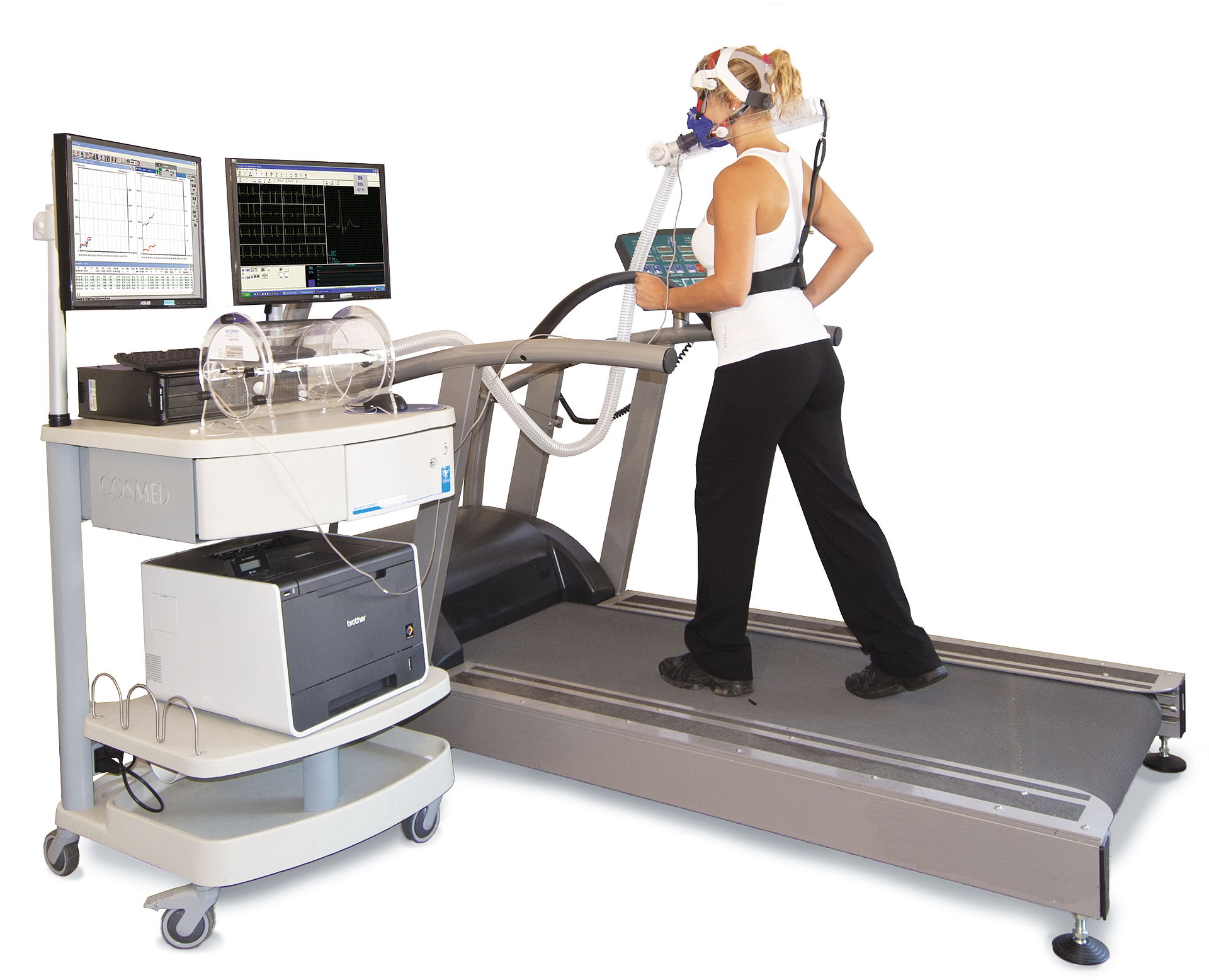
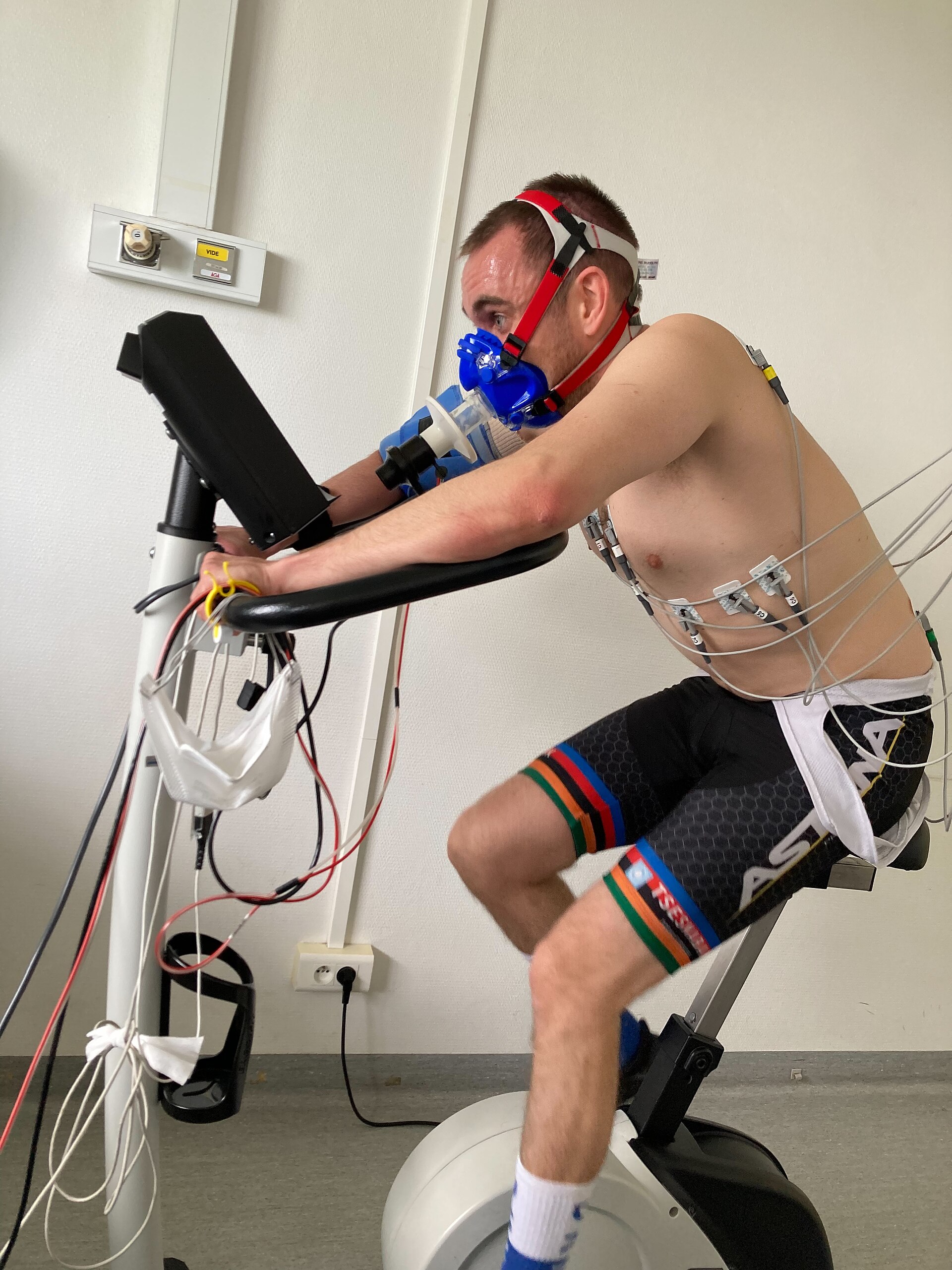
The gold-standard test happens in a lab or sports-science clinic: you run or cycle at increasing intensity while wearing a mask that measures the oxygen you breathe in versus what you breathe out, until you reach exhaustion. This gives a directly measured, highly accurate number.
Consumer wearables like Garmin and Apple Watch don’t measure VO2 max directly — they estimate it using an algorithm that combines your heart rate, pace, and personal data (age, sex, weight) during runs or walks. These estimates are useful for tracking your own trend over time, but they can be noticeably off from a true lab test, and accuracy varies by device, activity type, and your fitness level. Treat the number on your wrist as a directional guide, not a clinical result.
If you want a closer estimate without a lab, sport-science coaches often use field tests like the Cooper 12-minute run test or a timed 1.5-mile run, plugged into a standard formula. These are rougher than a lab test but far more accessible.
How to Improve Your VO2 Max
High-intensity interval training (HIIT) has the strongest evidence base for raising VO2 max relative to the time invested. A common protocol is four-minute intervals at a hard, near-maximal effort followed by roughly equal recovery time, repeated three to four times per session, done two to three times a week. This style of training pushes your heart and lungs to operate near their ceiling long enough to trigger adaptations — like a stronger stroke volume and better oxygen extraction in your muscles — that steady, easy cardio doesn’t stimulate as effectively.
That said, HIIT works best layered on top of a base of regular, moderate-intensity aerobic activity (brisk walking, easy runs, cycling), not instead of it. Beginners and people returning from inactivity tend to see the fastest relative gains, while already-fit individuals need more targeted, harder sessions to keep improving.
Consistency matters more than any single workout. Meaningful, measurable improvement in VO2 max generally takes several weeks to a few months of regular training, not days — and gains tend to plateau if you stop pushing intensity as your fitness improves.
Tips and Common Mistakes
Don’t compare your number to elite athletes or influencers — compare it to your own age-and-sex bracket and, more importantly, to your own past scores. Avoid doing every workout at the same moderate, “comfortable-hard” pace; without some genuinely high-intensity effort, VO2 max improvements stall. Don’t skip the recovery between hard sessions — two to three quality interval sessions a week is enough, and cramming in more without recovery raises injury and burnout risk rather than accelerating gains. Finally, treat wearable VO2 max estimates as a trend line, not a verdict — a single reading with unusual variation is more likely a measurement quirk than a real physiological change.
Explore more: Explore more fitness guides.
VO2 max FAQs
What is considered a good VO2 max for my age?
It depends on your age and sex, but generally the “good” band for men sits in the high-30s to low-40s (ml/kg/min) in their 20s-30s, declining gradually each decade. Women’s “good” range runs roughly 5-8 points lower than men’s at every age. Compare your score to your own age-and-sex bracket rather than a single universal number.
Does VO2 max naturally decline with age?
Yes, VO2 max tends to decline gradually starting around age 30, largely due to reduced cardiac output and muscle mass over time. However, staying consistently active — especially with some higher-intensity training — meaningfully slows that decline compared to a sedentary lifestyle.
Can I trust my smartwatch’s VO2 max estimate?
Use it to track your own trend over weeks and months, but don’t treat it as clinically precise. Wearables estimate VO2 max from heart rate and pace data rather than measuring it directly, and estimates can meaningfully over- or underestimate compared to lab testing, with accuracy varying by device and fitness level.
How long does it take to improve VO2 max?
Most people who train consistently, including regular high-intensity intervals, start to see measurable improvement within several weeks to a couple of months. Beginners typically see faster relative gains than already-fit individuals.
Make Your Digital Life Better
More practical tech how-tos, tool picks, and guides to upgrade your everyday digital life. More on GTWebs.
Photo: Cosmed / CC BY-SA 3.0, via Wikimedia Commons.