

If you own a Garmin watch, you already have access to a free adaptive training plan through Garmin Coach. So why would anyone pay $19.99 a month for Runna instead? The honest answer is that both apps do the same basic job — build you a running plan and adjust it as you train — but they go about it differently, and one of them offers a bit more flexibility and structure when your training week gets thrown off.
Table of Contents
This guide breaks down what each platform actually includes, how their adaptive coaching compares, what they cost, and which type of runner gets the most value from each so you can decide before you commit to a subscription.
Quick Answer
Garmin Coach is free and best if you already own a compatible Garmin watch and want a solid, coach-designed 5K, 10K, half-marathon, or marathon plan without paying anything. Runna ($19.99/month or $119.99/year) is worth paying for if you want a plan that works on any device (not just Garmin), gives you more direct control over rearranging missed runs, and includes extras like strength sessions and race-week fine-tuning.
What Each App Actually Gives You
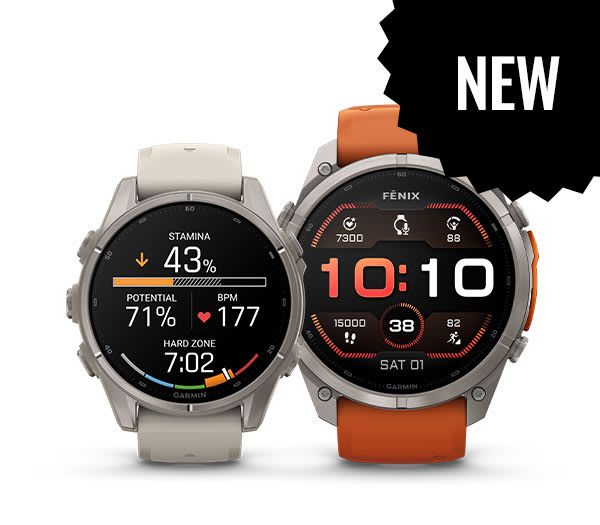
Garmin Coach lives inside the free Garmin Connect app and offers plans built around three named coaches: Olympian Jeff Galloway (run-walk method, geared toward finishing comfortably), exercise physiologist Greg McMillan (pace-based plans for runners chasing a time goal), and physical therapist Amy Parkerson-Mitchell (a gradual build with more cross-training). You pick a coach and a goal — 5K, 10K, half marathon, or marathon — and the plan pushes workouts straight to your watch. Plans run roughly 6 to 20 weeks depending on the coach and distance, and only show you the current week at a time since it adapts based on how your recent runs went.
Runna is a standalone app (not tied to any watch brand) that builds a plan around your goal race, current fitness, and weekly availability, then syncs workouts to Garmin, Apple Watch, Coros, and other devices via Strava or direct integrations. For a single missed or rescheduled run, you handle it yourself — skip the workout or drag it to a new day in the Training Calendar; Runna doesn’t automatically rewrite your week over one missed session. If you fall behind on more than three workouts, or miss a full week of training, its Plan Realignment feature detects the gap and prompts you with options to rebuild the rest of the plan around where your training actually stands. Runna also bundles in strength training sessions, dynamic warm-ups, and race-week taper guidance as part of the same subscription.
One nuance worth knowing: Garmin’s own paid tier, Garmin Connect+ ($6.99/month or $69.99/year), sits alongside Garmin Coach and adds AI-generated workout insights and extra expert coaching content — but the core Garmin Coach training plans themselves remain free whether or not you subscribe to Connect+.
Price and Device Compatibility
Garmin Coach costs nothing beyond owning a compatible Garmin watch and using the free Garmin Connect app — there’s no trial period or paywall on the core plans. Runna charges $19.99/month or $119.99/year (about $9.99/month when billed annually), with a 7-day free trial on either plan. If you’re also a Strava subscriber, Runna and Strava currently offer a combined annual bundle at a discount compared to buying both separately.
Device support is the other deciding factor. Garmin Coach only works if you’re already in the Garmin ecosystem — it’s a Garmin Connect feature, not a separate app. Runna is device-agnostic: it works whether you run with a Garmin, an Apple Watch, a Coros, or just your phone and Strava, which makes it the more practical pick if you’re not locked into one watch brand or you split time between devices.
Tips / Common Mistakes
Don’t assume you need Garmin Connect+ to use Garmin Coach — the training plans themselves are part of the free tier; Connect+ only adds extra AI insights and coaching videos on top.
Don’t expect Runna to quietly fix a single missed run on its own — you need to manually skip it or drag it to a new day in the Training Calendar. Its automatic Plan Realignment feature only steps in once you’ve missed more than three workouts or a full week, offering to rebuild the rest of your schedule from there.
Try Garmin Coach first if you already own a Garmin watch — it costs nothing to test for a few weeks before deciding whether Runna’s device flexibility and extra features are worth paying for.
Cancel Runna’s free trial reminder in your calendar — like most fitness app trials, it converts to a paid subscription automatically after 7 days if you don’t cancel.
Explore more: more fitness and training app guides.
Garmin Coach vs Runna FAQs
Is Garmin Coach completely free?
Yes. The core Garmin Coach training plans (5K, 10K, half marathon, and marathon, across three coaching styles) are included free in the Garmin Connect app for anyone with a compatible Garmin watch. The optional Garmin Connect+ subscription adds extra AI insights and coaching content but isn’t required to use Garmin Coach.
Can I use Runna without a Garmin watch?
Yes. Runna works with Apple Watch, Coros, and other devices, and syncs with Strava, so you don’t need a Garmin to use it — unlike Garmin Coach, which is built into the Garmin Connect ecosystem.
Does Runna automatically adjust your plan if you miss a run?
Not for a single missed session — you’ll need to manually skip it or drag it to a new day in Runna’s Training Calendar. Runna’s automatic Plan Realignment feature only kicks in once you’ve missed more than three workouts or a full week of training, at which point it offers options to rebuild your remaining schedule.
Does Garmin Coach offer marathon training plans?
Yes, Garmin Coach includes marathon plans in addition to 5K, 10K, and half-marathon options, each available through one of the three coaches (Jeff Galloway, Greg McMillan, or Amy Parkerson-Mitchell).
Make Your Digital Life Better
More practical tech how-tos, tool picks, and guides to upgrade your everyday digital life. More on GTWebs.
Want web tips in your inbox? Subscribe to the free newsletter.
Images: Garmin.