

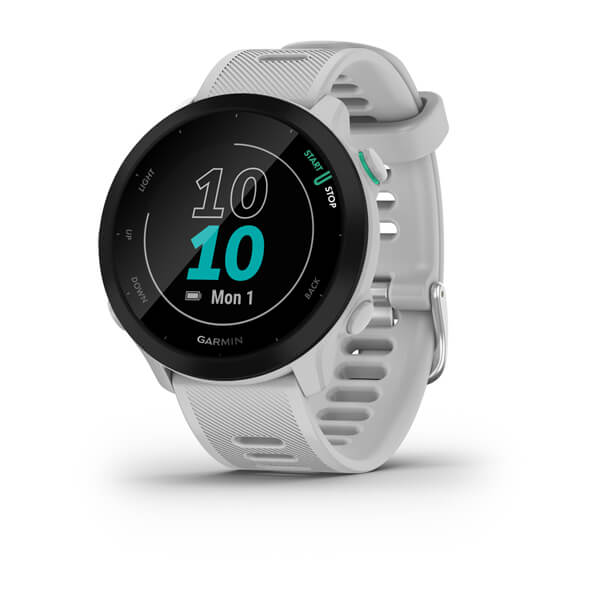
You don’t need a $500 multisport computer to start tracking your runs properly. A handful of watches under $200 now offer accurate GPS, wrist-based heart rate, and guided training plans that used to be reserved for premium models — which makes this a great time to buy if you’re just getting into running.
Table of Contents
This guide breaks down what actually matters for a first GPS watch, then compares three solid options under $200 so you can pick based on your budget and what you’ll actually use.
Quick Answer
For most beginners, the Garmin Forerunner 55 (typically priced under $200, though it’s frequently discounted) is the best all-around pick thanks to Garmin Coach adaptive training plans, long battery life, and a simple interface. If you want a brighter AMOLED screen and offline maps for less money, the Amazfit Active 2 (generally priced well under the Forerunner) is the best value, and the Amazfit Bip 5 (the least expensive of the three) is the cheapest solid option if you just want basic GPS run tracking.
What to Look for in a First GPS Running Watch
Battery life matters more than most beginners expect — a watch that dies mid-run or needs daily charging gets abandoned fast. Look for at least a full day of GPS tracking per charge, and ideally a week or more in smartwatch mode between charges.
Standalone GPS accuracy is the core feature you’re paying for. All three watches below track pace and distance without needing your phone nearby, which matters once you’re running routes without cell service or just don’t want to carry a phone.
Guided training plans are a genuine beginner advantage. The Garmin Forerunner 55 supports Garmin Coach, which builds a running plan around your current fitness and a race goal (including a beginner 5K option), then pushes workouts straight to the watch.
Comfort and screen readability count too. A lightweight watch with a display you can read mid-stride in sunlight is easier to stick with than a heavier, dimmer one, even if the spec sheet looks similar.
Don’t overpay for features you won’t use yet. Built-in music storage, offline color maps, and advanced recovery metrics are nice, but a beginner’s first few months of running are better served by reliable pace/distance tracking and a plan that tells you what to run each day.
Top Picks Compared
Garmin Forerunner 55 (typically priced under $200, with frequent retailer discounts): This is Garmin’s entry-level running watch, and it’s built specifically for people who run for fitness rather than racing. It includes Garmin Coach adaptive training plans, daily suggested workouts, wrist-based heart rate, and long battery life in smartwatch mode. Its screen is a color transflective MIP display rather than a brighter AMOLED panel — sunlight-readable and always-on, but not as vivid indoors, which is a fair trade for the training-plan support if you’re brand new to structured running.
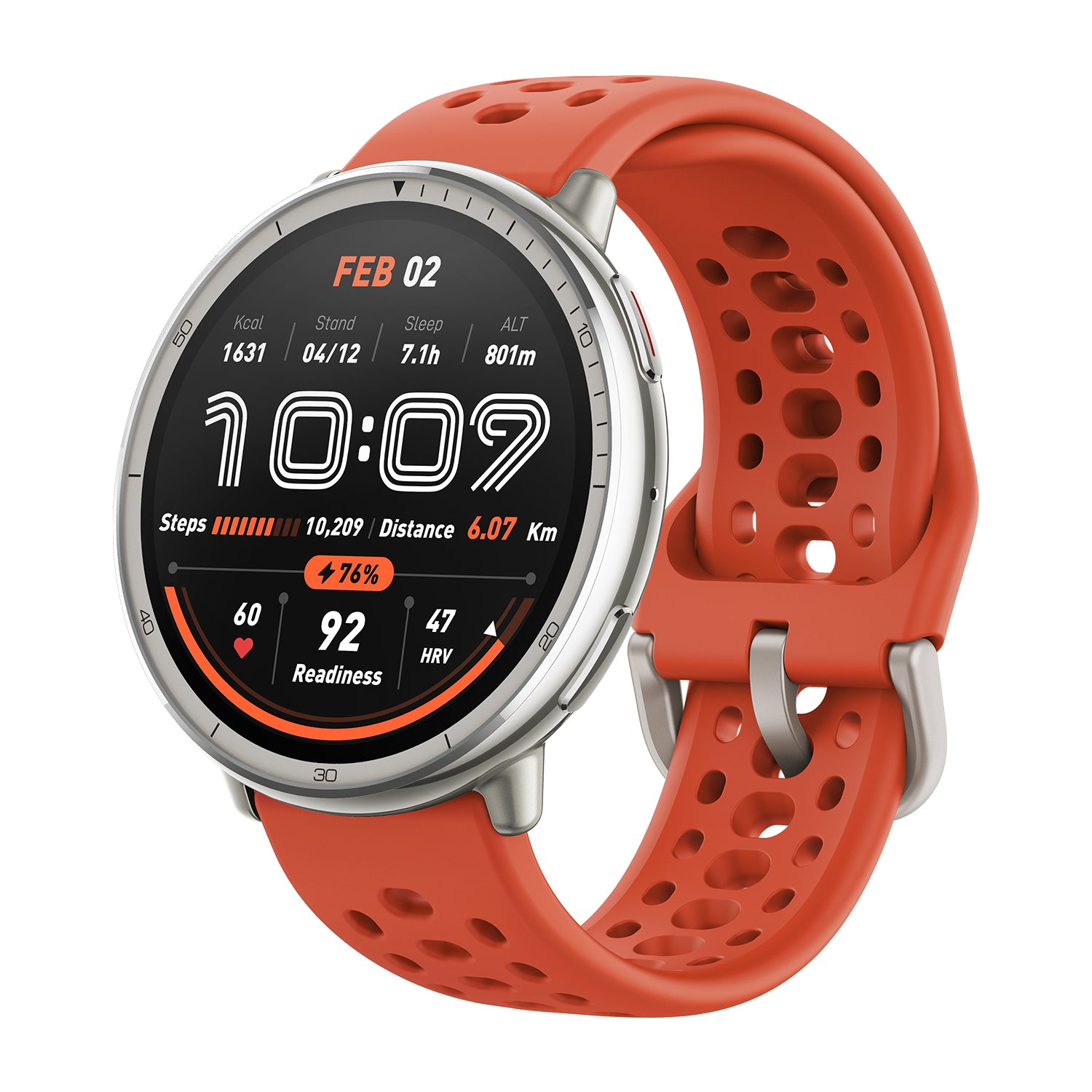
Amazfit Active 2 (generally priced noticeably lower than the Forerunner 55, with a pricier sapphire-lens version available): This is the best value pick if you want a nicer screen. It has an AMOLED display, GPS with offline turn-by-turn maps, multi-day battery life, and a large number of sport modes. It won’t match Garmin’s training-plan depth, but for casual runners who also want a good-looking everyday smartwatch, it punches well above its price.
Amazfit Bip 5 (the most budget-friendly of the three): It has a large display, GPS using multiple satellite systems, and multi-day battery life. It’s a reasonable starting point if you mainly want basic pace and distance tracking and aren’t ready to commit more budget yet, though it lacks the structured coaching features of the Garmin.
Tips and Common Mistakes
Don’t buy based on battery-life marketing numbers alone — those figures are usually for smartwatch mode, not continuous GPS tracking, which drains much faster. Check the GPS-specific battery estimate if you plan to run for hours at a time.
Skip the ‘Music’ or ‘Music edition’ variants of these watches unless you specifically want to store playlists on the watch itself — they typically cost significantly more and don’t add any running-tracking capability.
Set your watch’s GPS mode correctly before a run. Some watches let you choose between GPS-only and multi-band/multi-GNSS modes; multi-band improves accuracy in cities or under tree cover but uses more battery.
Give a new watch a few runs before judging its GPS accuracy — the first run or two after a factory reset or firmware update can be less accurate while it builds a fresh satellite almanac.
If you’re using Garmin Coach or a similar adaptive plan, answer the initial fitness and pace questions honestly. Overstating your current mileage will front-load workouts that are too hard and derail consistency, which matters more than watch specs for actually building the running habit.
Explore more: More fitness gear guides.
GPS running watches under $200 FAQs
Is a $200 GPS watch accurate enough for real training?
Yes. Budget and mid-range GPS watches now use the same core GPS/GNSS chipsets found in pricier models, so pace and distance tracking is generally reliable for everyday training. The differences at higher price points are mostly extras like offline color maps, music storage, and advanced recovery metrics rather than core GPS accuracy.
Do I need a chest strap heart rate monitor with these watches?
No, not to start. All three watches here have built-in wrist-based heart rate sensors, which are accurate enough for tracking training zones and effort during easy runs. A chest strap is only worth adding later if you want more precise data for interval workouts or racing.
Garmin Forerunner 55 or Amazfit Active 2 for a first running watch?
Choose the Forerunner 55 if you want a structured beginner training plan built into the watch. Choose the Amazfit Active 2 if you’d rather have a brighter AMOLED screen, offline maps, and a watch that doubles more comfortably as an everyday smartwatch.
Make Your Digital Life Better
More practical tech how-tos, tool picks, and guides to upgrade your everyday digital life. More on GTWebs.
Images: Garmin.