
A landing page is often the first thing a potential customer sees, and as a solopreneur you usually don’t have a developer on call to build or tweak one. No-code landing page builders let you go from idea to a live, mobile-friendly page in an afternoon, without touching HTML or CSS.
Table of Contents
This guide compares the tools solopreneurs actually reach for — from the cheapest one-page option to full A/B-testing platforms — so you can pick based on your budget, your traffic goals, and how much hand-holding you want the software to do.

Quick Answer
For most solopreneurs, Carrd is the fastest and cheapest way to get a single, polished landing page live (plans from $9/year). If you also need email marketing, funnels, or a course area bundled in for free, Systeme.io’s free plan is the better starting point. Once you’re running paid traffic and need conversion testing, Leadpages or Unbounce make more sense.
5 No-Code Builders Worth Considering
Carrd is a purpose-built one-page site tool: drag-and-drop sections, a huge template gallery, and a free plan that covers up to three sites (with Carrd branding). Paid tiers start at Pro Lite ($9/year, removes branding) up to Pro Standard ($19/year, custom domain and forms) and Pro Plus ($49/year, more sites and features). If you take payments through Stripe or PayPal on a Carrd site, Carrd itself takes no cut — you only pay the processor’s standard fees. It’s the cheapest, simplest option on this list, ideal for a single offer, waitlist, or link-in-bio page.
Systeme.io is an all-in-one funnel builder rather than a pure landing page tool, which is exactly why solopreneurs like it: the free plan includes a drag-and-drop page builder, up to 3 sales funnels, a custom domain with free SSL, unlimited emails, and a list of up to 2,000 contacts, with no credit card required. Paid plans (Startup at $17/month, Webinar at $47/month, Unlimited at $97/month) add more funnels, contacts, and automation. It’s the best pick if you want your landing page, email list, and checkout in one place instead of stitching tools together.
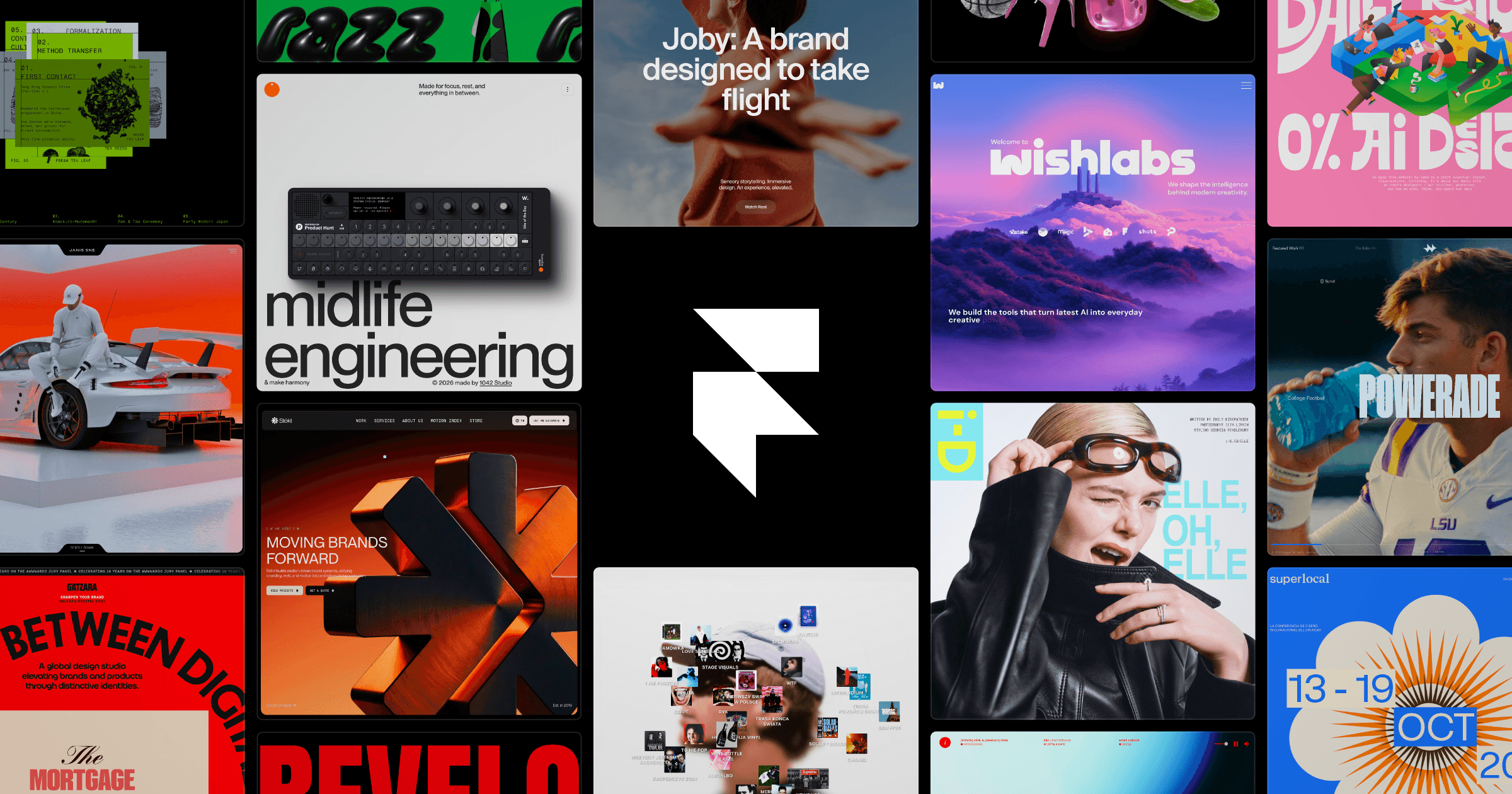
Framer has grown from a design tool into a full no-code website builder with strong landing page templates. The free plan works for testing; paid plans start at Basic ($10/month billed annually) and Pro ($30/month billed annually), which unlocks more pages, CMS collections, and bandwidth. Framer is the right call if design quality matters most to you and you’re comfortable spending a bit more time customizing a template.
Leadpages is built specifically for lead generation and conversion. Its simpler HTML Pub tier starts at $10/month for basic page publishing, while the full Leadpages plans (Grow, Optimize, and Scale) start around $99/month and add features like A/B testing, custom domains, and AI-assisted page creation — pricing is sometimes discounted for the first month or two. A key selling point is that every Leadpages plan, including the entry tier, comes with unlimited traffic and no overage fees, so a successful campaign won’t trigger a surprise bill. It suits solopreneurs running ads or email campaigns who want conversion-focused templates without worrying about visitor caps.
Unbounce is the most testing-focused option, aimed at solopreneurs and small teams who want to optimize conversion rate over time. The Starter plan runs about $22–29/month for a handful of pages and a fairly low monthly visitor allowance; the Build plan (around $74–99/month) adds unlimited pages and AI copywriting with a higher visitor cap, while Experiment (around $112–149/month) unlocks unbounded A/B testing and Optimize (around $187–249/month) adds Smart Traffic AI routing with the highest visitor cap. Every Unbounce plan has a monthly visitor limit, and exceeding it triggers an overage charge, so it’s worth sizing your plan to your expected traffic. It’s overkill for a first landing page, but a strong fit once you’re spending real money on traffic and need to prove what converts.
How to Choose the Right One for Your Business
Start by matching the tool to what you’re actually launching. A single lead magnet or portfolio page rarely needs more than Carrd or Systeme.io’s free tier — you’re paying for simplicity, not testing infrastructure. If you’re pre-revenue, prioritize free or low-cost plans and custom domain support over advanced analytics you won’t use yet.
Next, think about what has to connect to the page: an email list, a checkout, a booking calendar. Systeme.io bundles most of this natively, while Carrd and Framer expect you to connect third-party tools (Stripe, Mailchimp, Calendly, etc.) via embeds or integrations. If you already use a separate email platform or CRM, check that your shortlist integrates with it before committing to a plan.
Finally, only pay for A/B testing and traffic optimization (Leadpages, Unbounce) once you have enough visitors for the tests to reach meaningful results — testing on low traffic just adds cost without a clear conversion signal.
Tips and Common Mistakes
Don’t over-build the first version. A single clear headline, one call-to-action, and a short list of benefits will outperform a page with five competing offers. Add sections later once you know what your visitors actually respond to.
Check mobile rendering before you launch. Every tool listed here is responsive by default, but custom fonts, embeds, and multi-column layouts can still break on smaller screens — preview on an actual phone, not just the builder’s mobile toggle.
Watch for visitor caps on testing-focused tools. Unbounce meters monthly visitors on every plan and bills overage if you exceed your limit, so confirm your plan can handle a launch or ad campaign before you run it. Leadpages, by contrast, offers unlimited traffic with no overage fees on all of its plans, which is worth factoring in if you expect traffic spikes.
Connect analytics from day one. Even a free Google Analytics or Meta Pixel embed lets you see whether the page is actually converting, which matters more early on than picking the ‘perfect’ builder.
Explore more: More business growth guides.
No-code landing page builders for solopreneurs FAQs
What is the cheapest no-code landing page builder for solopreneurs?
Carrd is generally the cheapest paid option, with plans starting around $9–19 per year, and Systeme.io’s free plan is a strong no-cost alternative if you also need email and funnel tools.
Do I need coding skills to use these landing page builders?
No. All five tools covered here (Carrd, Systeme.io, Framer, Leadpages, and Unbounce) use drag-and-drop editors and pre-built templates, so no HTML or CSS knowledge is required.
Which landing page builders have visitor limits or overage fees?
Unbounce caps monthly visitors on every plan and charges overage fees if you exceed your limit. Leadpages does the opposite — all of its plans include unlimited traffic with no overage fees, which can matter if you expect a traffic spike from a launch or ad campaign.
When should I upgrade from a free page builder to a paid conversion tool like Unbounce or Leadpages?
Upgrade once you’re running paid advertising or email campaigns at a scale where A/B testing and traffic-routing features could meaningfully improve conversion rates — for a first page or low-traffic offer, a free or low-cost builder is usually enough.
Make Your Digital Life Better
More practical tech how-tos, tool picks, and guides to upgrade your everyday digital life. More on GTWebs.
Images: Carrd.