

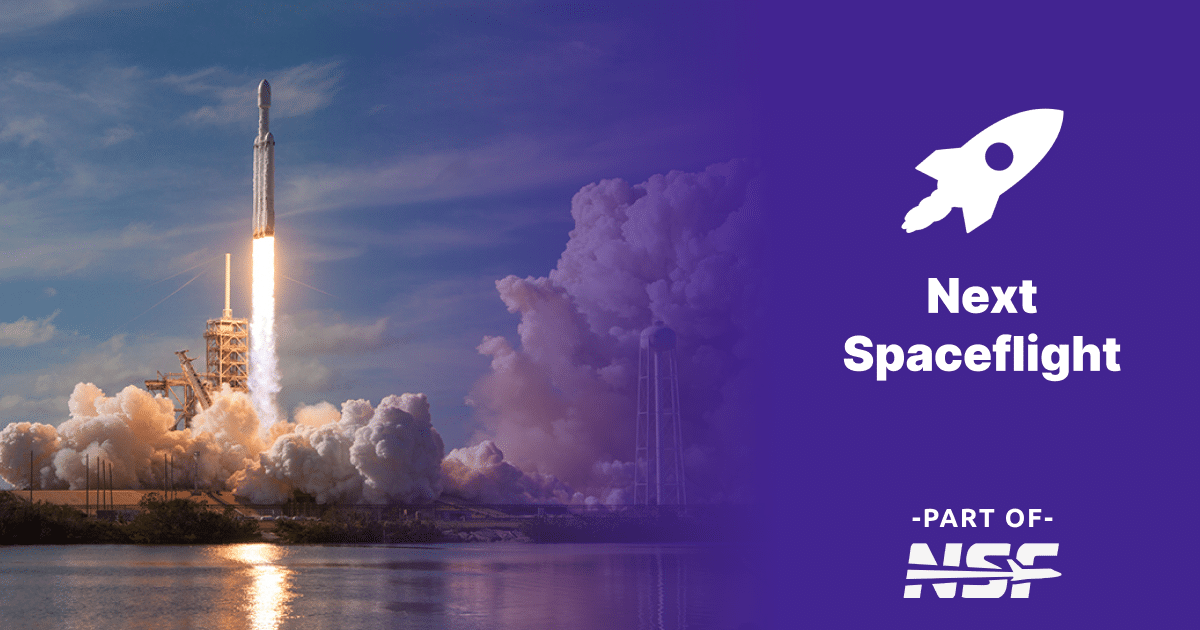
You just found out there’s a launch tonight, and now you’re stuck deciding which app to trust for the countdown: Next Spaceflight or Space Launch Now. Both are free, both cover SpaceX, NASA, ULA, Roscosmos, ISRO, and pretty much every other agency launching orbital rockets, and both have loyal fan bases who swear their pick is better.
Table of Contents
This guide breaks down what actually separates the two — data sources, notification behavior, visuals, ads, and pricing — so you can pick the one that fits how you actually watch launches, or install both and get the best of each.
Quick Answer
If you want a completely ad-free app with 3D launch simulations and deep Starship/Boca Chica coverage, go with Next Spaceflight. If you want granular notification filters, a day/night theme, and don’t mind occasional ads (or paying $2.99/month to remove them), Space Launch Now is the stronger pick — especially since its data comes from the open Launch Library 2 API used across the spaceflight app ecosystem.
Feature-by-Feature Comparison
Data and coverage: both apps track launches from SpaceX, NASA, ULA, Roscosmos, ISRO, JAXA, ESA, Blue Origin, and Rocket Lab, including booster landing and reuse history for SpaceX missions. Space Launch Now is built on the Launch Library 2 API from The Space Devs, the same free public dataset that powers many other space apps and websites, which means its launch and vehicle database is extensive and consistently updated. Next Spaceflight pulls from its own catalog and adds a standout feature: 3D launch simulations with live flight-path, velocity, and altitude playback for most missions, plus a dedicated section tracking Starship test milestones at Starbase in Boca Chica.
Notifications: both let you customize which launch types trigger an alert. Space Launch Now offers more advanced filtering and search across its historical database, though some recent user reviews note occasional bugs with filters or alerts firing after a launch already happened. Next Spaceflight’s notifications are generally described by users as accurate and timely.
Ads and pricing: Next Spaceflight is completely free with no ads and no in-app purchases. Space Launch Now is free but shows ads, with an optional Pro Access tier (roughly $2.99/month, $19.99/year, or a $49.99 lifetime option as listed on the App Store) that removes ads and unlocks extra features.
Platforms: both apps run on iPhone, iPad, and Android. Next Spaceflight also supports Mac (Apple Silicon) and Apple Vision Pro, and requires iOS 13.4 or later, making it slightly more accessible on older devices. Space Launch Now currently requires iOS 18 or later on Apple devices.
Which App Fits Your Use Case
Casual fans who just want to know when the next launch is happening, watch a livestream link, and get a clean, ad-free interface will likely prefer Next Spaceflight — it’s simpler, free of clutter, and the 3D simulations make launches more engaging to follow live.
Hardcore launch trackers and data nerds who want deep historical search, advanced filtering by vehicle or agency, and don’t mind occasional ads (or are willing to pay for Pro) will get more mileage out of Space Launch Now. Its reliance on the open Launch Library 2 API also means the underlying data is battle-tested across many other tools.
Starship and Boca Chica watchers specifically should lean toward Next Spaceflight, since its dedicated Starship section tracks rollouts, static fires, and test flights in more detail than Space Launch Now’s general vehicle pages.
Developers or anyone who wants raw launch data for their own project should look at Space Launch Now’s underlying Launch Library 2 API directly — it’s free to query (with a rate limit) and is the same source many third-party launch widgets and sites use.
Tips and Common Mistakes
Don’t rely on a single app for a time-sensitive launch — schedules slip constantly due to weather and technical scrubs, so cross-check notification timing against the official launch provider’s page or livestream before you set an alarm.
Turn on notification categories deliberately rather than leaving defaults, especially in Space Launch Now, since users have reported filter settings not always behaving as expected.
If you’re specifically chasing Starship test flights, don’t skip Next Spaceflight’s Boca Chica section even if Space Launch Now is your daily driver — it’s the more detailed source for that specific vehicle program.
If ads bother you but you still want Space Launch Now’s filtering power, check the Pro Access pricing tiers before assuming you’re stuck with ads — the monthly option is inexpensive to try for a busy launch month.
Explore more: more space and launch coverage.
Next Spaceflight vs Space Launch Now FAQs
Is Next Spaceflight completely free?
Yes. Next Spaceflight is free to download with no ads and no in-app purchases listed on its App Store or Google Play pages.
Does Space Launch Now have ads?
Yes, the free version contains advertising. An optional Pro Access subscription (monthly, annual, or lifetime) removes ads and adds extra features.
Which app is better for tracking SpaceX Starship test flights?
Next Spaceflight has a dedicated section for Starship activity at Boca Chica, covering rollouts, static fires, and test flights in more depth than Space Launch Now’s general vehicle listings.
Can I use both apps together?
Yes, and many space fans do — Next Spaceflight for its clean, ad-free interface and 3D simulations, and Space Launch Now for its deeper search filters and Launch Library 2-powered database.
Make Your Digital Life Better
More practical tech how-tos, tool picks, and guides to upgrade your everyday digital life. More on GTWebs.
Want web tips in your inbox? Subscribe to the free newsletter.
Images: Next Spaceflight.