

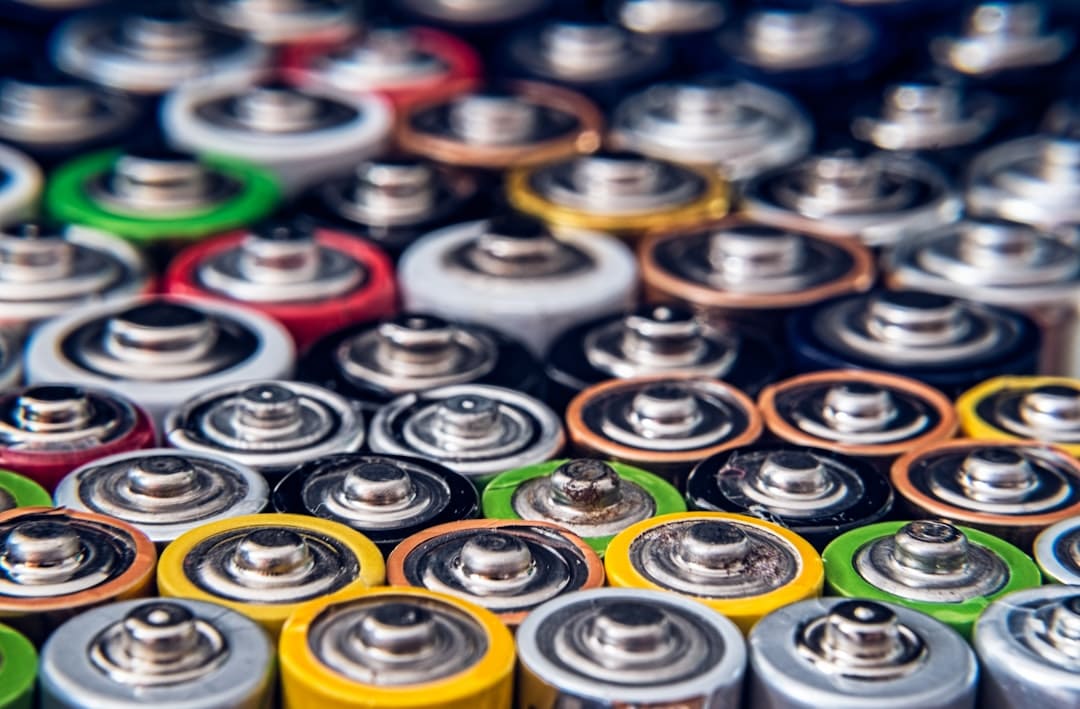
Pull an old flashlight out of a junk drawer and the batteries inside are often weak or dead, even though nothing was ever switched on. That’s not a fluke or a bad batch — it’s a normal battery behavior called self-discharge, and every battery chemistry does it to some degree.
Table of Contents
This guide explains what actually causes batteries to lose charge in storage, why some types (like rechargeable NiMH cells) drain much faster than others (like alkaline or lithium), and what you can do to keep stored batteries usable for longer.
Quick Answer
Batteries lose charge in storage because slow chemical reactions keep happening inside the cell even when it’s disconnected from any device. This is called self-discharge. The rate depends heavily on battery chemistry and storage temperature — alkaline and lithium batteries hold their charge for years, while standard rechargeable NiMH batteries can lose a meaningful chunk of their charge within weeks.
What’s Actually Happening Inside the Battery
A battery stores energy in chemical form and releases it as electricity when a circuit connects its positive and negative terminals. But the internal materials aren’t perfectly stable sitting on the shelf. Tiny amounts of the same chemical reactions that power your device also happen spontaneously inside a battery that’s just sitting there, plus minor internal short-circuit paths and impurities in the electrode materials let a trickle of current leak between the terminals without ever being used.
This isn’t a manufacturing defect — it’s an inherent property of how electrochemical cells work. Manufacturers can slow it down with better separators, purer materials, and protective coatings, but they can’t eliminate it entirely.
Temperature is the biggest factor you control. As a rough rule of thumb, self-discharge roughly doubles for every 10°C (18°F) rise in storage temperature, which is why batteries left in a hot car or garage degrade much faster than ones kept in a cool closet.
Battery chemistry matters just as much. Alkaline batteries (the standard disposable AA/AAA cells) have a very low self-discharge rate and typically retain most of their capacity even after a few years on a shelf. Lithium primary batteries (like the 3V coin cells used in watches and key fobs, or lithium-metal AA cells) are even more stable in storage. Rechargeable batteries behave differently: standard nickel-metal hydride (NiMH) cells lose charge noticeably faster, often dropping a sizable amount of capacity within the first day after charging and continuing to fade over the following weeks. Lithium-ion (Li-ion) rechargeables, the kind in phones, laptops, and power tools, fall in between — they lose some charge quickly right after charging, then settle into a slower monthly decline.
Why It Varies So Much Between Battery Types
Disposable alkaline and lithium primary batteries are built for long shelf life. Their chemistries are chosen specifically because the reactions that generate electricity are hard to trigger without a completed circuit, which is why an unopened pack of AA batteries can sit in storage for years and still work fine.
Standard rechargeable NiMH batteries use a different chemistry that’s more prone to internal side reactions, so they drain faster even sitting unused. This is why a NiMH battery you charged last month might already feel weak, even though you never used it. If you buy rechargeables for things like remote controls, game controllers, or flashlights that sit idle for long stretches, look for ‘low self-discharge’ or ‘pre-charged/ready-to-use’ NiMH batteries (sold under names like Eneloop or similar ‘stay-charged’ lines) — they use a design that holds a charge dramatically longer than standard NiMH cells, closer to how alkaline batteries behave.
Lithium-ion batteries in devices like laptops and phones also self-discharge, though at a more moderate pace than standard NiMH. The bigger issue with Li-ion is that heat and a full charge accelerate both self-discharge and long-term capacity loss, which is why manufacturers recommend storing Li-ion devices at a partial charge (roughly 40–60%) rather than fully charged if they’ll sit unused for a long time.
Rechargeable batteries also have built-in protection circuitry (in Li-ion packs especially) that draws a small amount of current on its own, adding a bit to the total drain even when the battery isn’t otherwise being used.
Tips / Common Mistakes
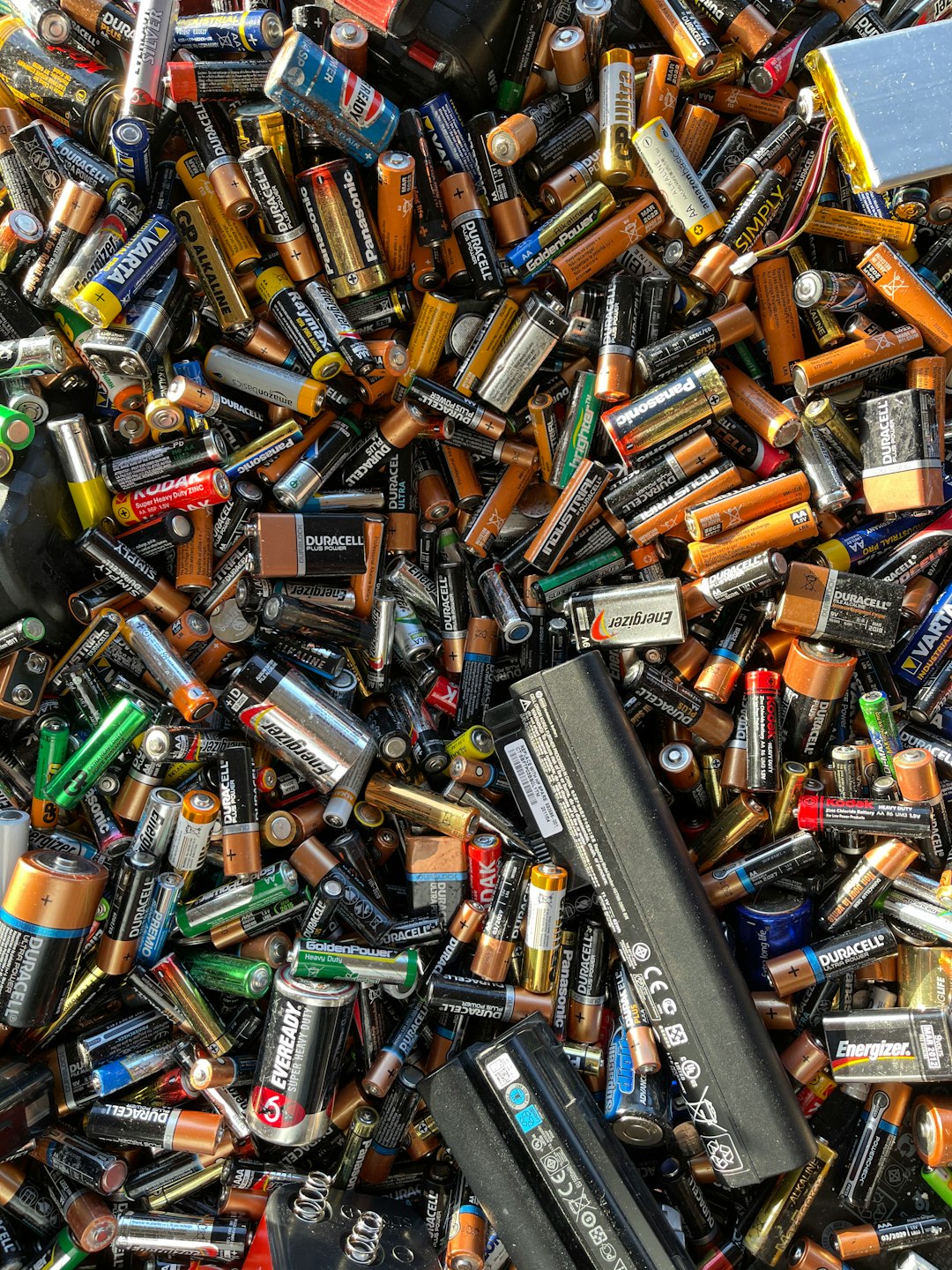
Store spare batteries in a cool, dry place rather than a hot garage, car, or attic — heat is the single biggest accelerant of self-discharge. A closet or drawer at normal room temperature works better than most people expect; you don’t need to refrigerate batteries, and doing so can cause condensation issues when they warm back up.
Keep batteries in their original packaging or a case that prevents the terminals from touching metal objects like coins or keys, since accidental contact can create a drain path and, in some cases, a safety hazard.
For long-term storage, buy alkaline or lithium primary batteries rather than standard rechargeables if the device will sit unused for months, since they hold their charge far longer.
For low-drain devices that sit idle, like remotes, clocks, or flashlights, low self-discharge NiMH batteries are a good rechargeable option since they hold their charge much longer than standard NiMH cells. Smoke and CO detectors are the exception: always use the exact battery type listed in the manufacturer’s manual, which is typically a specific alkaline or lithium cell, not a rechargeable — most smoke alarm makers advise against rechargeable batteries because they can’t reliably guarantee the alarm’s required backup power, and using an unlisted battery type can also void the warranty.
Don’t store lithium-ion devices at 100% charge for long periods; a partial charge slows both self-discharge and long-term wear. Also avoid storing any battery at 0%, since deep discharge for extended periods can permanently damage rechargeable cells.
A common mistake is assuming a battery that tests ‘dead’ after storage is ruined — many alkaline and lithium batteries just need to be tested under load, and even partially self-discharged rechargeables can often be revived with a normal charge cycle.
Explore more: more science explainers.
Battery self-discharge FAQs
Do batteries drain faster if they’re left in a device versus stored loose?
Yes, usually. Left inside a device, batteries can also power small standby drains (like a clock circuit or memory chip) in addition to normal self-discharge, and old batteries can leak and damage the device. Removing batteries from devices you won’t use for a while helps them last longer and protects the device.
Is it normal for a brand-new battery to already show less than full charge?
Yes. Batteries begin self-discharging as soon as they’re manufactured, so a battery that’s spent months on a store shelf or in a warehouse will already have lost a small amount of charge before you ever buy it. This is normal and expected, especially with rechargeable types.
Can a self-discharged rechargeable battery be brought back to full capacity?
In most cases, yes — simply running it through a normal charge cycle restores it. The exception is if a rechargeable battery has been left at a very low or zero charge for an extended period, which can cause permanent capacity loss or, in some lithium-ion cells, trigger a safety cutoff that prevents recharging.
Can I use rechargeable batteries in a smoke detector?
Only if the manufacturer’s manual explicitly says it’s supported. Most smoke and CO alarm makers specify alkaline or lithium primary batteries and advise against rechargeables, because a rechargeable cell’s voltage and self-discharge behavior may not reliably meet the backup power the alarm needs, and using an unlisted battery type can void the warranty. Always check the battery compartment label or manual for the exact type required.
Why do lithium coin cell batteries last so long in storage compared to rechargeables?
Lithium primary (non-rechargeable) coin cells use a chemistry with very slow internal side reactions and no charge/discharge cycling, so they hold their charge for years. Rechargeable chemistries like NiMH are inherently more reactive internally, which is the tradeoff for being reusable.
Make Your Digital Life Better
More practical tech how-tos, tool picks, and guides to upgrade your everyday digital life. More on GTWebs.
Want web tips in your inbox? Subscribe to the free newsletter.
Photo by Roberto Sorin on Unsplash.