

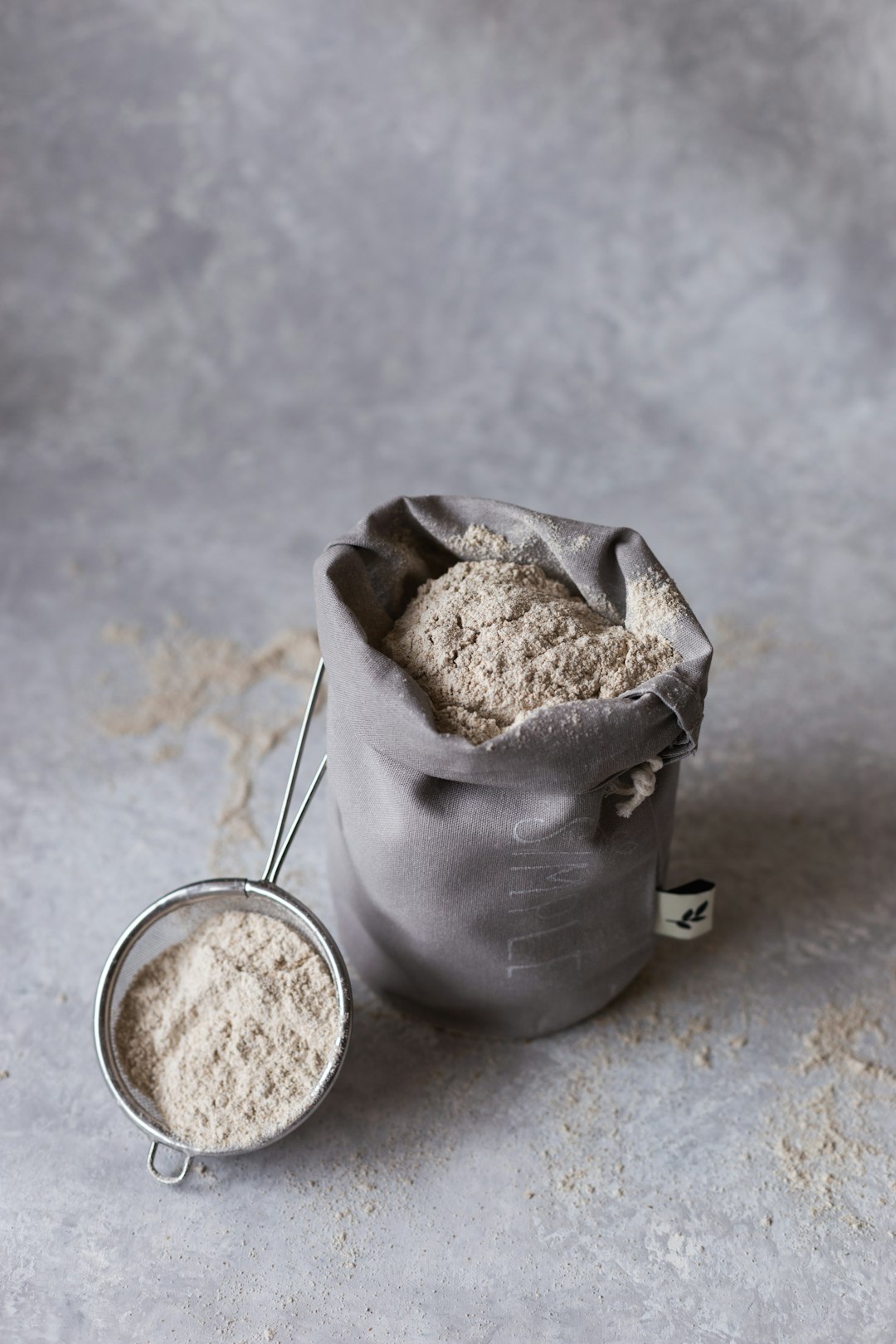
A sourdough starter isn’t a static ingredient sitting in a jar — it’s a living colony of wild yeast and bacteria that has to eat to survive. Skip too many feedings and that colony starves, goes dormant, or shifts out of balance in ways that hurt both rise and flavor.
Table of Contents
This guide breaks down the actual microbiology behind feeding — what the yeast and bacteria are doing with the flour you give them, why they eventually run out of food, and how to build a feeding schedule that fits how often you actually bake.
Quick Answer
A sourdough starter needs regular feeding because the wild yeast and lactic acid bacteria living in it consume the starches and sugars in flour as fuel, and once that food supply runs out, the colony starts to starve, produce excess acid and alcohol, and lose its rising power. Fresh flour and water replenish nutrients, dilute the acid buildup, and keep the microbial population active and balanced.
What’s Actually Happening Inside the Jar
A starter is a mix of flour and water that has captured wild yeast and bacteria — mainly various Lactobacillus species — from the flour itself and the surrounding environment. These microorganisms feed on the carbohydrates in flour, breaking down starches into simpler sugars they can metabolize.
The yeast ferments those sugars into carbon dioxide (the gas that makes dough rise) and a bit of alcohol. The bacteria produce lactic acid and acetic acid, which give sourdough its characteristic tang and also help suppress unwanted mold and pathogenic bacteria by keeping the environment acidic.
Three things drive how fast and how well this fermentation happens: how much nutrient is available, how acidic the mixture already is, and the ambient temperature. Feeding directly controls the first factor and resets the second — every feeding dilutes the acid that’s built up and hands the microbes a fresh batch of starch to break down.
Why Starters Run Out of Food (and What Happens Next)
Flour only contains so much accessible starch. As the yeast and bacteria consume it, available nutrients drop while metabolic byproducts — acids, alcohol, and carbon dioxide — build up. Eventually the population outstrips its food supply, growth slows, and the colony effectively starts starving.
One visible sign of a hungry starter is ‘hooch’ — a thin layer of dark liquid that collects on top. It’s a mix of ethanol and organic acids that separate out once the yeast has exhausted the available sugars and begun producing alcohol as a stress byproduct. It’s not harmful, but it’s a clear signal the starter is overdue for food.
Left unfed for too long, a starter can also become overly acidic, which weakens gluten structure in any dough it’s mixed into and can eventually kill off the very yeast that make it rise. A well-timed feeding schedule keeps the colony in the sweet spot: active, balanced, and strong enough to leaven bread.
How Often to Actually Feed It
Feeding frequency comes down to temperature and how often you bake. At room temperature, an active starter is typically fed once or twice a day, since warmth speeds up fermentation and the microbes burn through food faster.
A feeding ratio is usually written as starter : flour : water by weight — a common baseline is 1:1:1, meaning equal parts of each, which gives the microbial community enough new nutrients to stay healthy without diluting it so much that fermentation stalls.
If you’re not baking often, refrigeration slows everything down. A cold starter kept around the high 30s to low 40s Fahrenheit can typically go about a week to ten days between feedings before hooch appears, making the fridge the practical option for occasional bakers rather than daily feeders.
Tips / Common Mistakes
Discard before you feed. Adding fresh flour to a huge, unreduced starter dilutes the nutrient boost across too much existing culture — most recipes have you discard down to a small amount before feeding so the new flour actually makes a difference.
Don’t panic over hooch. Pour it off (or stir it back in for extra tang) and feed the starter promptly — it’s a hunger signal, not spoilage.
Watch for real spoilage signs instead: fuzzy mold in any color, or pink/orange streaks, mean it’s time to start over rather than try to revive it.
Match hydration to your recipe. A starter’s water-to-flour ratio (its ‘hydration’) affects consistency and rise speed, so keep it consistent with what your bread recipe expects.
Give a cold starter time to wake up. After pulling it from the fridge, plan on one or two feedings at room temperature before it’s active enough to reliably raise bread.
Explore more: More science explainers.
sourdough starter feeding FAQs
What happens if I forget to feed my sourdough starter?
It slows down, develops a liquid layer of hooch on top, and becomes more acidic and less active. As long as it isn’t moldy, it can usually be revived with one or two regular feedings.
Can I skip feeding my starter if I store it in the fridge?
You can go longer between feedings in the fridge — often about a week to ten days — but you still need to feed it periodically, and it’s best to feed it once before refrigerating and once after taking it out.
Is discarding starter before feeding really necessary?
Yes for most maintenance schedules — discarding keeps the colony size manageable so each feeding provides a meaningful boost of fresh nutrients rather than being diluted into a large existing mass.
How do I know if my starter is dead versus just hungry?
A hungry starter still smells sour or yeasty and responds to feeding within a day or two. A dead or contaminated starter shows mold, unpleasant rot-like smells, or pink/orange discoloration and should be discarded and restarted.
Make Your Digital Life Better
More practical tech how-tos, tool picks, and guides to upgrade your everyday digital life. More on GTWebs.
Want web tips in your inbox? Subscribe to the free newsletter.
Photo by Olga Kudriavtseva on Unsplash.