

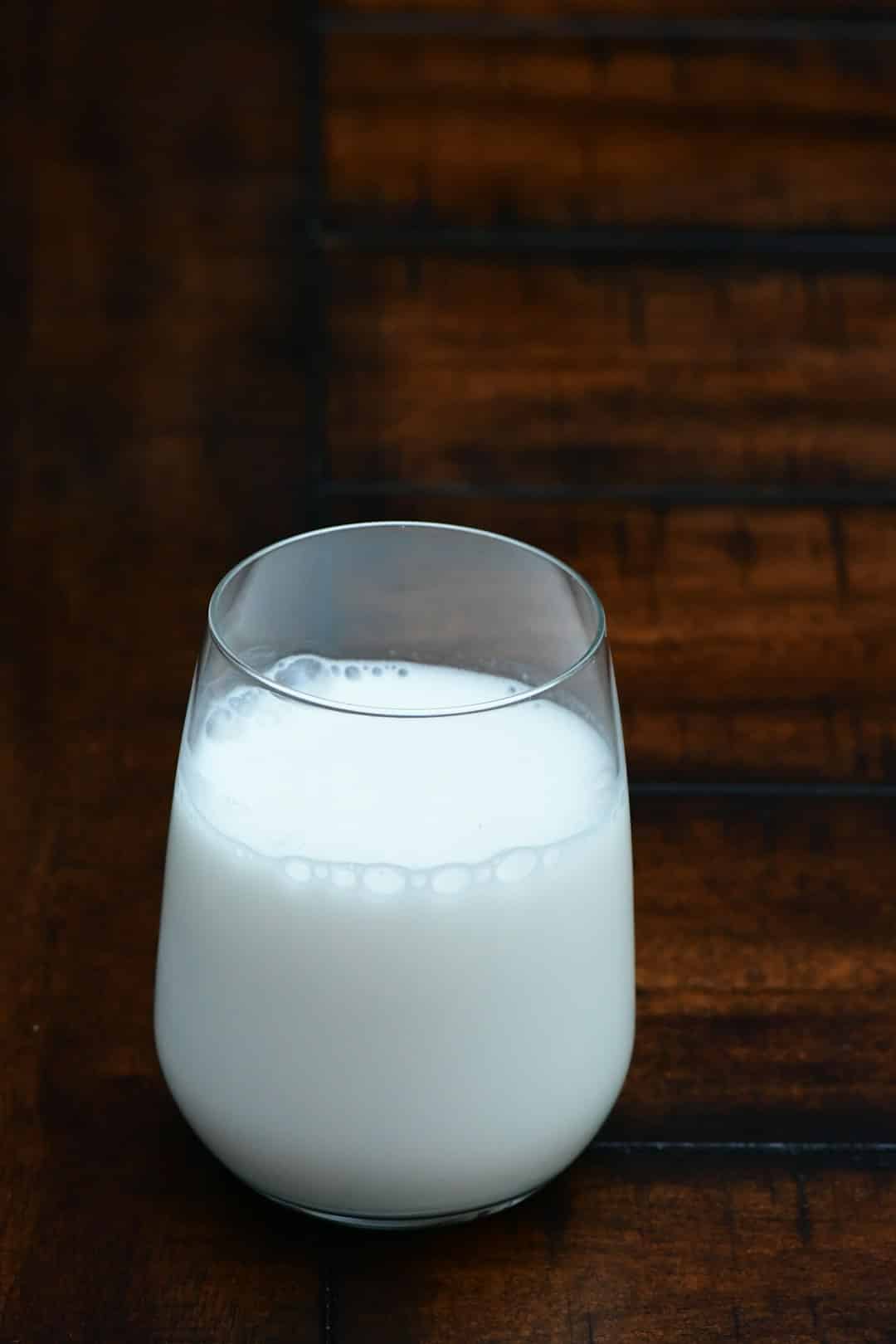
You pour a splash of milk into hot coffee and watch, horrified, as it blooms into little white flecks. Or you open a carton a day past its date and the milk pours out in lumps instead of a smooth stream. Both are the same underlying chemical event, just triggered two different ways: the proteins in milk have stopped floating freely and clumped together.
Table of Contents
This article breaks down exactly what’s happening at the molecular level when milk curdles, why acid, heat, and bacteria all lead to the same result, and how to tell a harmless kitchen reaction from actual spoilage you shouldn’t drink.
Quick Answer
Milk curdles when its pH drops low enough that casein, the main protein in milk, loses its electric charge and can no longer stay dissolved. The casein proteins unfold and stick to each other, forming visible clumps (curds) that separate from the watery liquid (whey). This happens naturally when bacteria produce lactic acid as milk spoils, and it can be triggered instantly by adding acidic ingredients like lemon juice, wine, or coffee, especially when the milk is also hot.
The Protein Behind It All: Casein
Milk is mostly water, but suspended in it are proteins, fat globules, and lactose (milk sugar). Most of milk’s protein is casein, which normally exists as tiny spherical clusters called micelles. These micelles carry a negative electric charge, and because like charges repel each other, the micelles push apart and stay evenly suspended, which is why fresh milk looks smooth and uniform rather than grainy.
That negative charge depends on the milk staying close to its natural pH, around 6.6 to 6.8, which is mildly acidic. As long as the pH stays in that range, the repulsion between casein micelles keeps everything in solution.
What Actually Happens When Milk Curdles
Curdling comes down to lowering that pH. As acid is introduced, whether from bacteria or from something you added, hydrogen ions in the acid neutralize the negative charges on the casein micelles. With less charge to repel each other, the micelles stop pushing apart and instead start sticking together.
Once the pH falls to about 4.6, casein hits what chemists call its isoelectric point, the point at which the protein has essentially zero net charge. At that threshold, the caseins lose their solubility almost entirely and link up into a loose three-dimensional mesh. That mesh traps fat and water inside it, which is exactly what happens on purpose when making cheese or yogurt, and exactly what happens by accident when milk goes sour or reacts with an acidic ingredient.
Spoilage curdling and cooking curdling are driven by the same chemistry but different triggers. In spoiled milk, naturally present or introduced lactic acid bacteria feed on lactose and excrete lactic acid as a byproduct, gradually pushing the pH down over hours or days at room temperature or in a warm fridge. In cooking, an acidic ingredient (lemon juice, vinegar, wine, tomato, or the tannins and acids in coffee) drops the pH almost instantly. Heat doesn’t create the acid, but it destabilizes the casein micelles further and speeds up how fast they clump, which is why milk curdles more dramatically in hot coffee or a simmering sauce than it would at room temperature.
Tips and Common Mistakes
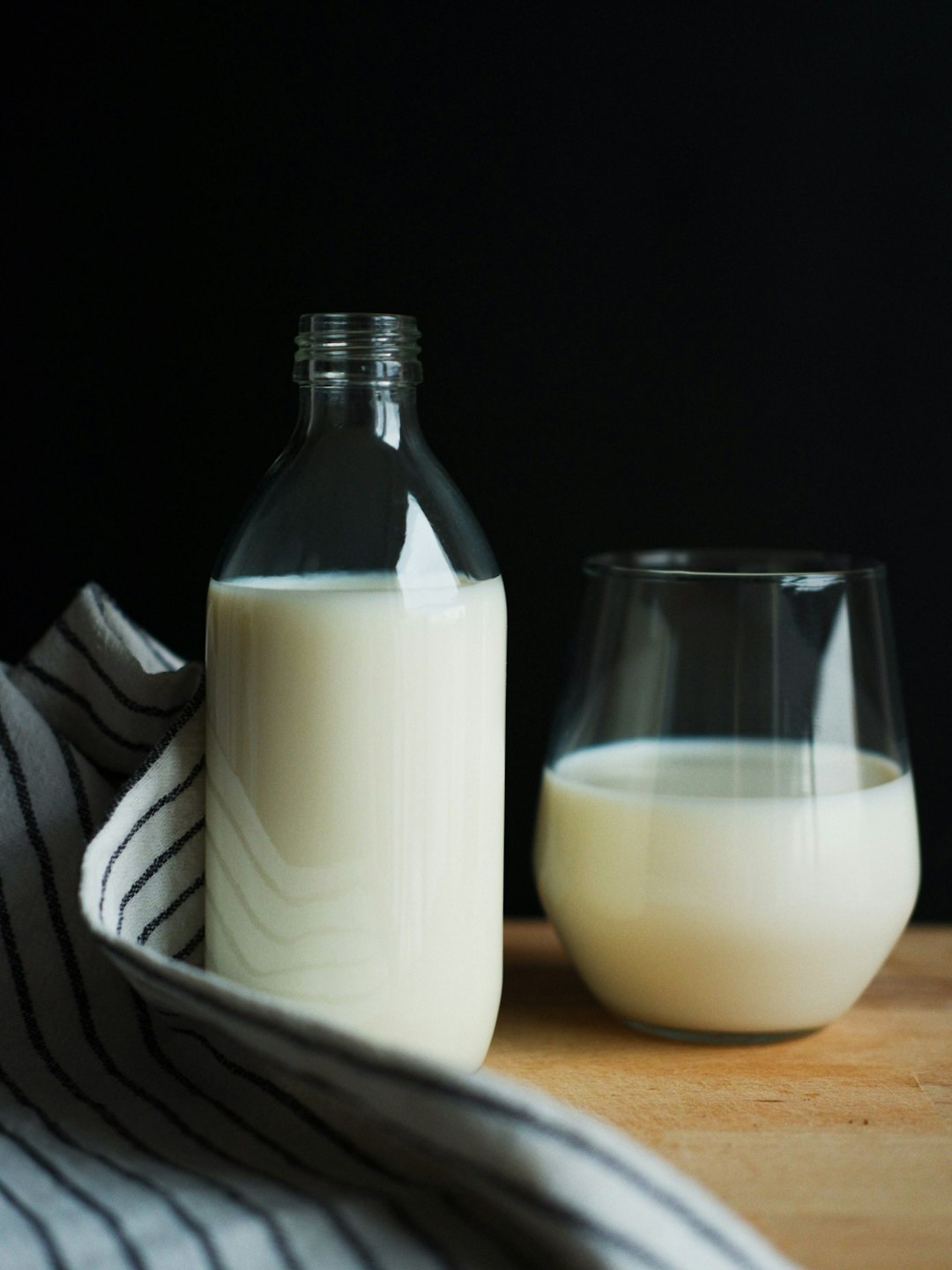
Don’t confuse deliberate curdling with spoilage: cheese, yogurt, paneer, and buttermilk all rely on controlled acidification or bacterial cultures to curdle milk safely and are meant to be eaten. Curdled milk from a carton that’s gone bad is a different situation, driven by uncontrolled bacterial growth that can include organisms you don’t want to eat, and it should be discarded even if it hasn’t formed visible lumps yet, since a sour smell or taste is often the first sign.
To keep milk from curdling in coffee or sauces, add it gradually and off direct high heat rather than pouring cold milk straight into a very hot, acidic liquid. Warming the milk slightly first, and stirring while adding it slowly, gives the casein micelles less of a shock and reduces clumping. In recipes with tomatoes, wine, or citrus, using cream or half-and-half instead of milk also helps, since the higher fat content makes the sauce more resistant to visible curdling.
Store milk cold. Keeping it at or below 40°F (4°C) slows the bacteria that produce lactic acid, which is the single biggest factor in how long milk stays fresh once opened.
A common mistake is assuming any curdling means the milk is unsafe. Curdling in a recipe is a texture and appearance issue, not a safety issue, as long as the milk was fresh before you added the acid or heat. The safety question only applies to milk that curdled on its own in the carton or fridge.
Explore more: More science explainers.
Why milk curdles FAQs
Is it safe to drink milk that has curdled from spoilage?
No. If milk curdles on its own, without you adding an acidic ingredient, that’s a sign bacteria have been multiplying and producing lactic acid and other byproducts. It should be thrown out, along with any milk that smells sour or off, even if it hasn’t fully curdled yet.
Why does milk curdle in coffee but not always in cold milk drinks?
Coffee is acidic and hot. Heat destabilizes casein micelles and speeds up the reaction, while the acidity lowers the milk’s pH toward casein’s isoelectric point. Cold, less acidic drinks don’t push the pH down far or fast enough to trigger visible clumping.
Does curdling mean the same thing as making cheese or yogurt?
Chemically, yes. Cheese, yogurt, and paneer are all made by deliberately curdling milk, either with bacterial cultures that produce lactic acid, an added acid like lemon juice or vinegar, or enzymes like rennet, to reach casein’s isoelectric point in a controlled way.
Can you prevent milk from curdling when cooking?
You can reduce it by tempering the milk (warming it slightly and adding it gradually rather than all at once), keeping the heat moderate rather than at a hard boil, and using higher-fat dairy like cream, which is more resistant to visible clumping than skim or low-fat milk.
Make Your Digital Life Better
More practical tech how-tos, tool picks, and guides to upgrade your everyday digital life. More on GTWebs.
Photo by Kim Leary on Unsplash.