
You don’t need a $150-a-month human trainer to get a workout plan that actually adapts to you. A handful of apps now use real algorithms — not just templated PDFs — to build your routine around your equipment, your goals, and how your last session went, then adjust it automatically as you log progress.
Table of Contents
This guide covers which AI fitness app is worth using for true hands-off personalization, how the underlying AI actually works so you can judge if it’s more than marketing, and how to set one up so it delivers a plan you’ll actually stick to.
Quick Answer
For most people who want fully personalized strength workouts with zero human coaching, Fitbod is the best AI fitness app: it builds each session from your logged history, available equipment, and a muscle-recovery model, and it works entirely inside the app with no coach messaging or extra cost involved. If you have no equipment and want variety without setup, Freeletics (bodyweight-focused HIIT) is the better fit.
How Fitbod’s AI Personalization Actually Works
When you first open Fitbod, you set your experience level, training goal (strength, muscle, endurance, or general fitness), and exactly what equipment you have access to — anything from just bodyweight to a full commercial gym. From that point, the app generates your first workout automatically instead of handing you a fixed program.
The core of Fitbod’s personalization is its recovery-tracking system: as you log sets, reps, and weight after each workout, the algorithm estimates how fatigued each muscle group is and factors that into the next session, so you’re not doing heavy legs two days in a row by accident. It also applies progressive overload automatically, nudging your weights or reps up over time based on what you actually completed rather than a preset schedule.
This is a rules-based recommendation engine reacting to your logged data — closer to a smart spreadsheet than a conversational AI — but it’s genuinely more responsive than a static plan, and it removes the guesswork of deciding what to train next. Fitbod currently runs about $15.99/month or $95.99/year, with a free trial and a limited free tier.
Choosing Between Fitbod, Freeletics, and a Human-Backed App Like Future
Pick Fitbod if your goal is structured strength or muscle-building progression and you have at least some equipment (even just dumbbells) — it’s built specifically around resistance training and gets noticeably better the more consistently you log sessions.
Pick Freeletics if you train with zero equipment and want more workout variety with a motivational coaching tone; it leans into bodyweight HIIT and calisthenics rather than progressive strength numbers, and its Coach subscription runs roughly $35/quarter or about $100/year.
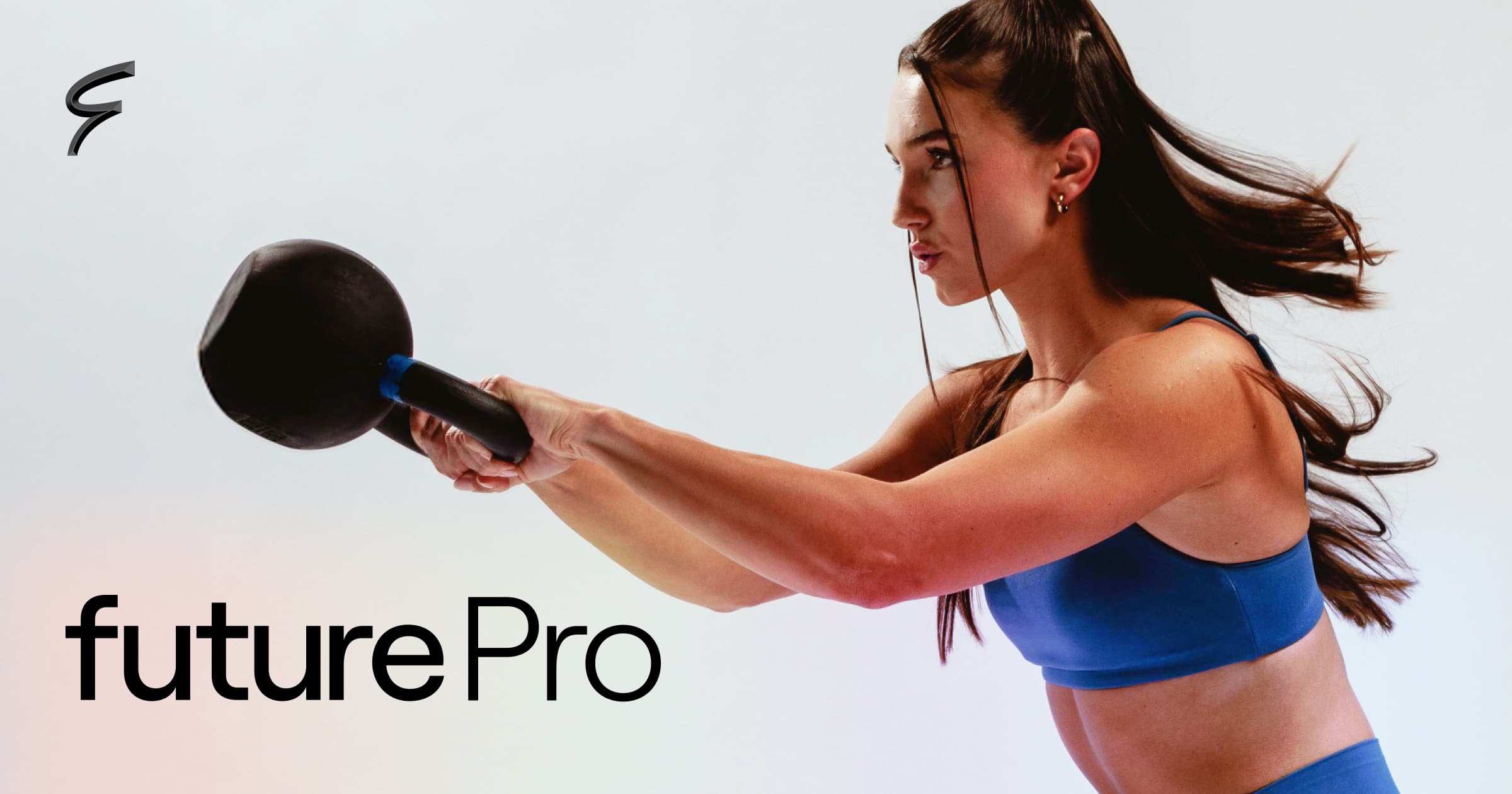
If what you actually want is a real person checking in on you — not pure AI — apps like Future pair you with an actual human trainer who builds your weekly plan and messages you directly, but that accountability costs significantly more, around $149-$199/month, since you’re paying for a coach’s time, not just software.
As a rule of thumb: the more the app relies on a human on the other end, the higher the price and the more it functions like remote personal training rather than an AI fitness app.
Tips and Common Mistakes
Log every set honestly, including weight and reps — these apps can only adapt to data you actually give them, and skipping logs is the single biggest reason people feel like ‘the AI isn’t working.’ Set your equipment list precisely rather than picking ‘full gym’ by default; overstating your equipment leads to workouts you can’t actually perform.
Don’t expect emotional accountability from a pure AI app — if what keeps you consistent is someone checking in on you personally, a hybrid or human-coached option will serve you better than a purely algorithmic one, no matter how good its programming is. Also check the cancellation window before starting a free trial — several of these apps auto-renew into an annual plan the moment the trial ends.
Explore more: More fitness guides.
Fitbod (AI workout apps) FAQs
Is Fitbod actually powered by AI?
Fitbod uses a proprietary rules-based algorithm that adjusts your workouts based on logged performance and estimated muscle recovery — it’s a smart recommendation system rather than a generative or conversational AI, but it does genuinely personalize each session rather than serving a fixed template.
Can beginners use an AI fitness app safely?
Yes — apps like Fitbod ask for your experience level upfront and include instructional videos for each exercise, but beginners should still learn basic form (ideally via video or a few sessions with a trainer) before relying entirely on an app for technique cues.
Does an AI fitness app fully replace a personal trainer?
It replaces the programming and progression-tracking part of a trainer’s job well, but not real-time form correction or personal accountability — if those matter most to you, a hybrid option with human coaching, like Future, will serve you better despite the higher cost.
Is there a free AI workout app option?
Fitbod and Freeletics both offer limited free tiers or trials that let you test the AI-generated workout experience before subscribing; full adaptive features (recovery tracking, full history-based adjustments) typically require the paid tier.
Make Your Digital Life Better
More practical tech how-tos, tool picks, and guides to upgrade your everyday digital life. More on GTWebs.
Images: Future.