

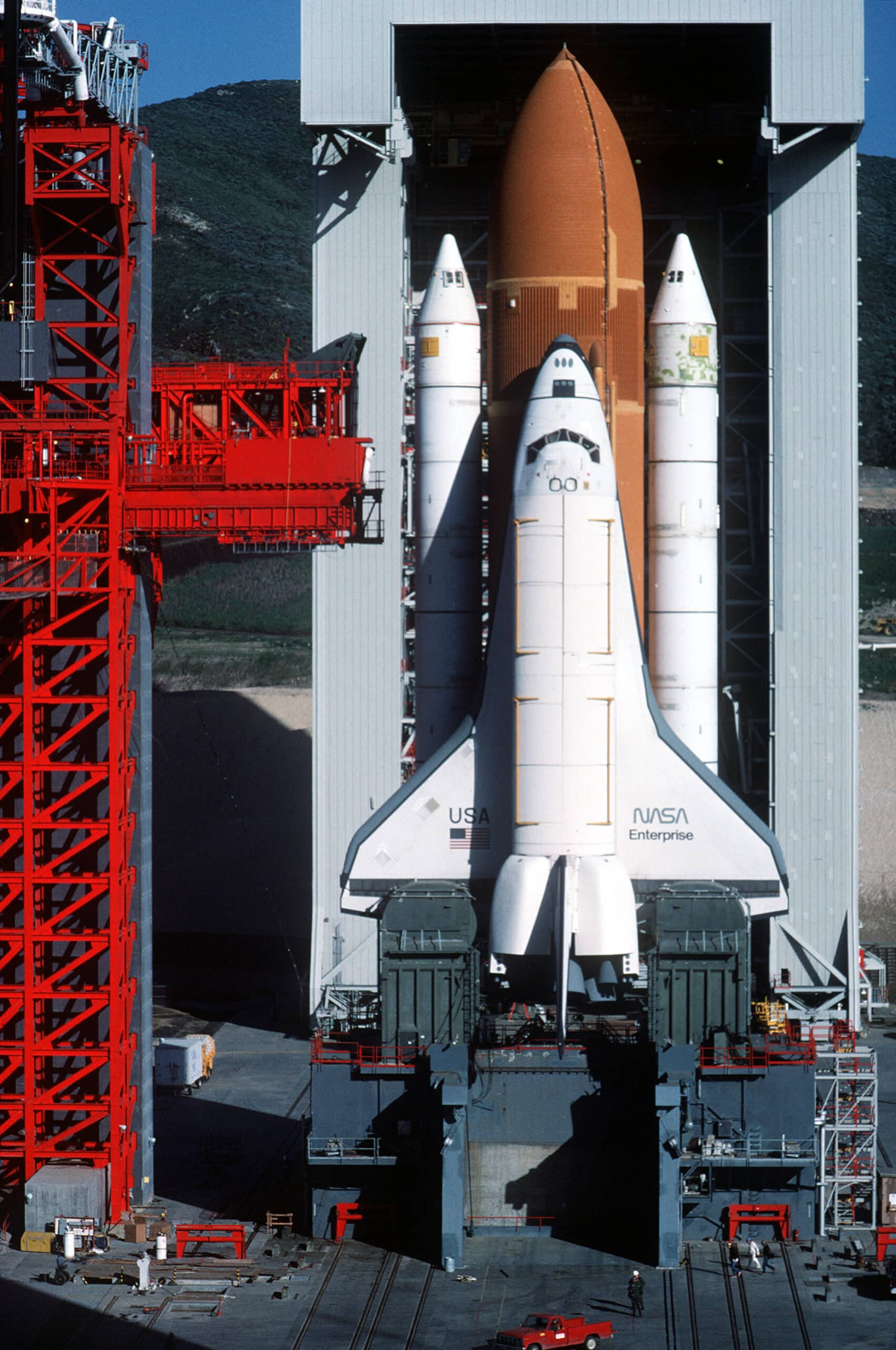
Watch a rocket on the pad and you’ll usually see wisps of white vapor pouring off its sides, even in warm weather. That’s not smoke or exhaust — it’s boil-off gas escaping from fuel and oxidizer that are colder than almost anything else on Earth’s surface. Most large rockets don’t run on anything you’d recognize from a gas station; they run on liquefied gases chilled to hundreds of degrees below zero.
Table of Contents
This guide breaks down what’s actually inside a rocket’s tanks, why propellants need to be that cold, and how engineers keep them liquid long enough to get off the ground.
Quick Answer
Most large rockets carry a cryogenic oxidizer, liquid oxygen, paired with a fuel that’s either also cryogenic (liquid hydrogen or liquid methane) or storable at room temperature (kerosene, called RP-1). Liquid oxygen stays liquid only below about -297°F (-183°C), liquid hydrogen below about -423°F (-253°C), and liquid methane below about -259°F (-161°C) — so the propellants are loaded just hours before launch and kept cold with insulation, active chilling, and constant venting.
Why Rockets Use Liquefied Gases at All
A rocket engine is really just a controlled explosion: fuel and oxidizer meet in a combustion chamber and burn to produce thrust. Using oxygen and hydrogen as gases would take up enormous volume and add a lot of dead weight in tankage. Chilling them into liquids packs far more mass into a much smaller tank, which is why nearly every orbital rocket carries liquid oxygen (LOX) as its oxidizer, and often a cryogenic fuel to go with it.
The specific combination matters. Liquid hydrogen and liquid oxygen (hydrolox) deliver the highest energy per kilogram of propellant of any chemical combination flown regularly, which is why it powered the Saturn V’s upper stages and still powers the core stage of NASA’s Space Launch System. The tradeoff is that hydrogen is extremely low density and needs the deepest chilling of any common propellant, so tanks have to be larger and better insulated.
Kerosene-fueled rockets like SpaceX’s Falcon 9 take a different approach: the Merlin engines burn RP-1 (a refined kerosene) with liquid oxygen. RP-1 is dense and stores at normal temperatures, so only the oxidizer side needs cryogenic handling, which simplifies the vehicle.
Newer designs split the difference. SpaceX’s Starship and its Raptor engines run on methalox — liquid methane and liquid oxygen. Methane is cryogenic but not nearly as deep-cold as hydrogen, it burns cleaner than kerosene (leaving little of the soot buildup that complicates reusing an engine), and its boiling point is close enough to liquid oxygen’s that both propellants can be stored and chilled in a similar temperature range, simplifying tank design.
How the Tanks Actually Keep Propellant Cold
Because these liquids sit so far below outside air temperature, heat is always trying to leak in, and any heat that gets through boils some of the liquid into gas. Rockets manage this in a few ways rather than trying to stop it completely. External foam insulation, the same kind visible as the tan or white coating on Space Shuttle and SLS tanks, slows heat transfer from the outside air. Some designs add multi-layer insulation or vacuum jacketing for even better performance, though foam remains common because it’s lighter and cheaper.
Tanks also vent boiled-off gas deliberately through relief valves rather than letting pressure build unchecked, which is the vapor you see drifting off a rocket before launch. Ground teams top off the tanks continuously in the final countdown to replace what boils away, a process often called ‘topping.’ In space, some of that boil-off gas is captured and used productively: many upper stages use it to self-pressurize the tank (autogenous pressurization), pushing propellant toward the engine without needing a separate heavy pressurant system.
Loading itself happens in stages. Engineers typically chill the plumbing and engines first by flowing a small amount of cold propellant through them, since a sudden temperature swing from ambient to cryogenic can crack metal or seals. Only after the hardware is ‘thermally conditioned’ does bulk fueling begin, usually within the last few hours before launch to minimize how much boils off before liftoff.

Tips / Common Mistakes
A frequent misconception is that the vapor coming off a rocket on the pad is exhaust or smoke — it’s almost always just boil-off gas venting from the tanks, visible because the cold gas condenses moisture in the surrounding air. Another common mix-up is treating ‘cryogenic’ and ‘toxic’ as the same thing: LOX, liquid hydrogen, and liquid methane are all cryogenic but not toxic (though hydrogen and methane are flammable and asphyxiation hazards in enclosed spaces), whereas some older storable propellants like hydrazine are toxic but not cryogenic at all.
It’s also worth not assuming ‘more energetic propellant’ automatically means ‘better rocket.’ Hydrolox has the best energy-to-mass ratio, but its low density means bigger, heavier tanks and tougher insulation demands, which is part of why kerosene and methane remain popular choices for first stages that don’t need hydrogen’s efficiency as badly as upper stages do.
Explore more: more space explainers.
Cryogenic rocket propellants FAQs
What is the coldest propellant used in rockets?
Liquid hydrogen, at around -423°F (-253°C), is the coldest propellant in common use. Liquid oxygen (-297°F/-183°C) and liquid methane (-259°F/-161°C) are also cryogenic but not as extreme.
Why do rocket fuel tanks vent gas before launch?
The vented gas is boil-off — propellant that absorbs heat leaking through the tank’s insulation and turns to vapor. Venting keeps tank pressure from building to unsafe levels.
Is rocket fuel always cryogenic?
No. Some propellants, like RP-1 kerosene and hydrazine, are storable at normal temperatures. Many rockets pair a storable fuel with cryogenic liquid oxygen as the oxidizer, while others, like hydrogen- or methane-fueled rockets, are fully cryogenic on both sides.
Why did SpaceX choose methane over kerosene for Starship?
Methane burns cleaner than kerosene, leaving less residue that would complicate reusing an engine repeatedly, and its storage temperature is close to liquid oxygen’s, which simplifies tank and plumbing design.
Make Your Digital Life Better
More practical tech how-tos, tool picks, and guides to upgrade your everyday digital life. More on GTWebs.
Photo: Department of Defense. American Forces Information Service. Defense Visual Information Center. 1994 / Public domain, via Wikimedia Commons.