

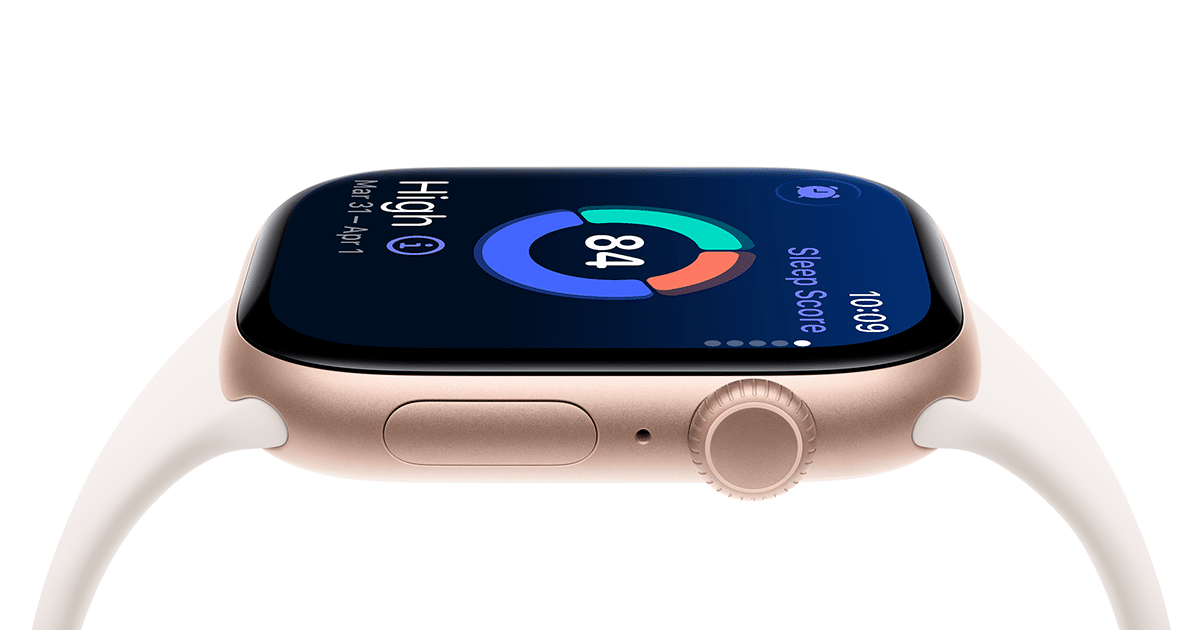
If your next smartwatch has to earn its place on your wrist during runs, swims, and strength sessions, the choice usually comes down to two watches: Google’s Pixel Watch 4 and Apple’s Watch Series 11. Both launched in 2025 with real health upgrades, but they take different approaches to tracking, battery life, and recovery insights.
Table of Contents
This guide breaks down how each watch handles GPS accuracy, battery endurance, heart health features, and everyday training tools, so you can match the watch to your phone and your workout style rather than just its price tag.
Quick Answer
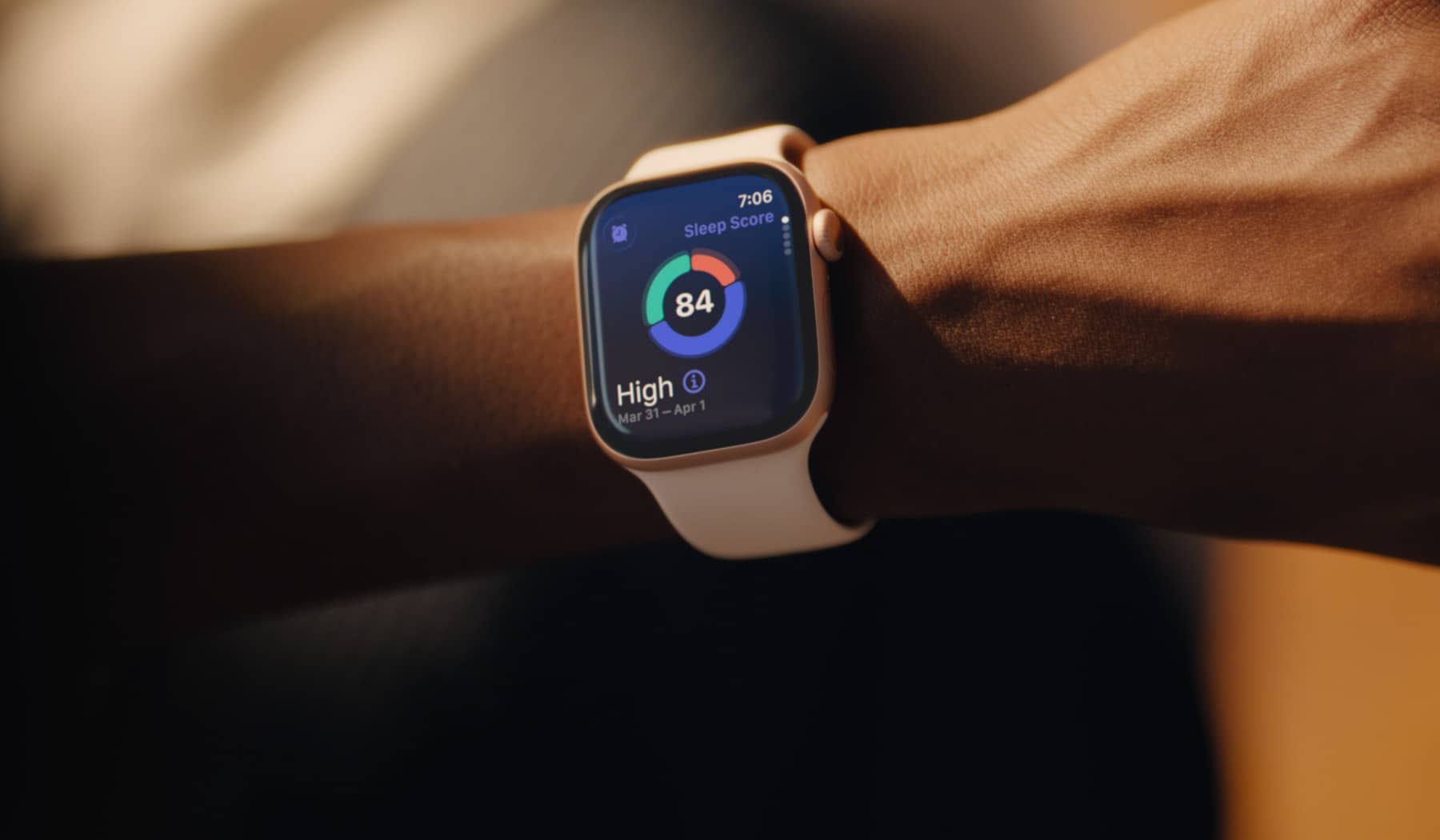
For most people, the deciding factor is your phone: the Pixel Watch 4 only works fully with Android, and the Apple Watch Series 11 requires an iPhone. If you have a choice either way, pick the Apple Watch Series 11 for the longest track record in health monitoring (hypertension notifications, sleep score, ECG) and its refreshed Workout app; pick the Pixel Watch 4 if you want longer battery life, dual-frequency GPS, and Google Health’s more athlete-focused metrics plus a Gemini-powered AI coach.
Fitness Tracking, GPS, and Workout Modes
The Pixel Watch 4 uses dual-frequency (L1 + L5) GPS, which helps it hold a more accurate route in cities, canyons, and areas with tall buildings or tree cover where signals can bounce or get blocked. It automatically detects and logs activities, added pickleball and basketball as new exercise modes, and pairs with the Google Health app (formerly the Fitbit app) for training load, Readiness Score, and recovery data most runners and lifters already rely on. Google also rolled out a Gemini-powered Google Health Coach that gives proactive, personalized workout and sleep guidance based on your data.
Apple Watch Series 11 ships with a redesigned Workout app that adds quick-access corner buttons for pausing, ending, or checking splits mid-session, plus training load insights and custom workout builder. Workout Buddy uses on-device AI to deliver spoken motivational callouts during a session, similar in spirit to Google’s coaching but delivered as live audio rather than a chat-style coach. Both watches support the standard run, ride, swim, HIIT, and strength-training modes, and both track Move/Exercise-style activity goals, though Apple’s three-ring system is more visually iconic and has more third-party app support in the App Store.
Battery Life, Durability, and Health Sensors
Battery life favors the Pixel Watch 4: Google rates it for longer normal-use runtime than the Apple Watch Series 11’s roughly one-day rating, and both offer a fast top-up option that returns several hours of use from a short charge (check current specs at time of purchase, as ratings can shift with software updates). Both watches are rated for pool and open-water swimming, though the Pixel Watch 4 carries a 5 ATM plus IP68 rating and the Series 11 is rated WR50 with IP6X dust resistance.
On health sensors, both watches offer ECG for AFib checks (in supported regions), irregular-rhythm alerts, and skin-temperature tracking. Apple’s headline new feature is hypertension notifications, which passively watches for patterns consistent with chronic high blood pressure over a multi-week window, alongside a new sleep score and sleep apnea notifications. Blood oxygen monitoring is back on US Apple Watch models after Apple redesigned how the reading is calculated to work around its patent dispute with Masimo. The Pixel Watch 4 counters with Loss of Pulse Detection, which can automatically call emergency services if it detects your heart has stopped, plus Readiness Score and sleep-stage tracking in the Google Health app, though the full Google Health Coach and deeper coaching insights require a Google Health Premium subscription (the app and subscription Google renamed from Fitbit) to unlock.
Tips and Common Mistakes
Don’t buy across ecosystems hoping for full functionality — a Pixel Watch 4 paired with an iPhone, or an Apple Watch paired with Android, loses most of its smart and health features, so match the watch to your phone first. If GPS accuracy on trail runs or in cities is your top priority, the Pixel Watch 4’s dual-frequency GPS gives it an edge; if you want the deepest, longest-established set of clinical-style health alerts, the Apple Watch Series 11 still leads. Check whether the metrics you actually use — like training load, VO2 max estimates, or the Google Health Coach — sit behind a Google Health Premium or Apple Fitness+ subscription before you commit, since neither watch’s full feature set is entirely free after the first year in most cases.
Explore more: more fitness and wearable tech guides.
Pixel Watch 4 vs Apple Watch Series 11 FAQs
Which is more accurate for GPS tracking, Pixel Watch 4 or Apple Watch Series 11?
The Pixel Watch 4 uses dual-frequency (L1+L5) GPS, which generally holds a tighter, more accurate track in dense cities or areas with signal reflection than single-frequency GPS. Apple Watch Series 11 still offers reliable GPS for most runs and rides, but doesn’t advertise dual-frequency support.
Does the Apple Watch Series 11 work with Android phones?
No. Apple Watch Series 11 requires an iPhone running a current iOS version, and it cannot be set up or fully used with an Android phone.
Is the Pixel Watch 4’s Gemini AI coach free?
The Google Health Coach works through the Google Health app (the app Google renamed from Fitbit) tied to the Pixel Watch 4, but full access to the AI coach and its personalized coaching features requires a Google Health Premium subscription (the renamed Fitbit Premium) rather than being included entirely for free.
Which watch has better battery life?
The Pixel Watch 4 lasts longer on paper than the Apple Watch Series 11 in normal use, though exact hour ratings vary by case size and software version, so it’s worth checking each brand’s current listed specs before comparing directly.
Make Your Digital Life Better
More practical tech how-tos, tool picks, and guides to upgrade your everyday digital life. More on GTWebs.
Images: Apple.