

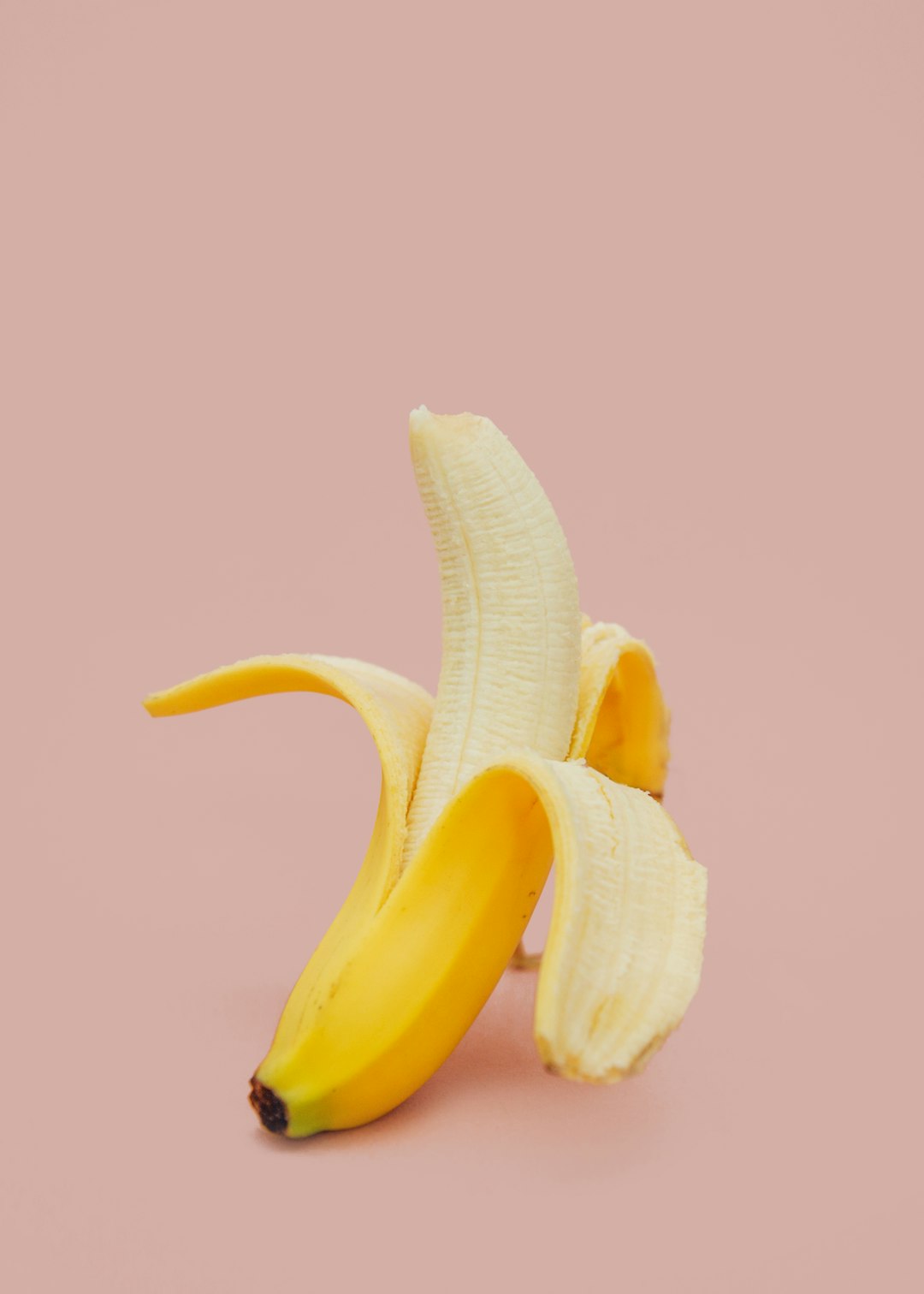
Toss a banana into a paper bag with a hard avocado, and by the next morning the avocado is soft enough to mash. It feels like a kitchen myth, but it’s real chemistry: bananas are unusually efficient producers of a plant hormone called ethylene, and ethylene is the master signal that tells fruit to ripen.
Table of Contents
This guide breaks down what ethylene actually is, why bananas pump out so much of it, which fruits respond to it and which don’t, and how to use that knowledge to speed up an underripe peach or keep your berries from turning to mush a day early.
Quick Answer
Bananas ripen other fruit faster because they release ethylene gas, a natural plant hormone that triggers ripening. As a banana ripens, it produces ethylene continuously and in a self-accelerating cycle, building up higher concentrations of the gas in an enclosed space than most other fruits do. Nearby fruit that can also respond to ethylene — like avocados, tomatoes, peaches, and apples — absorb that gas and start ripening sooner than they would on their own.
What Ethylene Actually Is and Why Bananas Make So Much of It
Ethylene (C2H4) is a simple hydrocarbon gas that plants produce naturally as a hormone. It’s invisible and odorless, but at even trace concentrations it triggers a cascade inside fruit cells: starches convert to sugars, cell walls soften, chlorophyll breaks down (so green turns to yellow or red), and aromatic compounds develop. That’s the entire ripening process, chemically speaking.
Bananas belong to a group called climacteric fruits, meaning they keep ripening after they’re picked and go through a distinct burst of respiration and ethylene production as they do. Even better (or worse, depending on your goal), ethylene production in climacteric fruit is autocatalytic — a little bit of ethylene triggers the fruit to make more ethylene, which triggers more ripening, in a feedback loop. That’s why a bunch of bananas left on the counter seems to go from green to speckled-brown almost all at once: each ripening banana is pushing its neighbors along, and the ripening bananas keep pushing themselves along too.
Compared with many other fruits, bananas produce and release ethylene readily and in a way that builds up quickly in an enclosed space like a paper bag or a fruit bowl, which is why they’re the classic go-to for speeding up ripening in the kitchen.
Which Fruits Respond to Banana Ethylene (and Which Don’t)
Not every fruit reacts to ethylene the same way, and this is the key distinction: fruits are either climacteric or non-climacteric, and only climacteric fruits will meaningfully ripen further once picked.
Climacteric fruits — the ones that respond well to being paired with a banana — include avocados, tomatoes, peaches, pears, apples, mangoes, and kiwis. Put any of these in a closed bag with a ripening banana and you’ll typically see noticeably faster softening and color change within a day or two.
Non-climacteric fruits — including citrus fruits, grapes, strawberries, cherries, and pineapple — don’t continue ripening after harvest, no matter how much ethylene they’re exposed to. They were as ripe as they’ll ever get the moment they were picked. Exposing them to ethylene won’t sweeten them; it can actually accelerate spoilage, causing them to soften, discolor, or decay faster without getting any better.
This is also why grocery stores and produce warehouses are careful about storage layout: ethylene producers (bananas, apples, avocados, melons, tomatoes) are generally kept apart from ethylene-sensitive vegetables like broccoli, leafy greens, and asparagus, since ethylene exposure makes those items yellow and go limp faster rather than improving them.
Tips and Common Mistakes
To speed up ripening on purpose: put the underripe fruit (an avocado, a hard peach, a green tomato) in a paper bag with a ripening banana and fold the top closed loosely. The bag traps the ethylene near the fruit instead of letting it dissipate into the air, which is why this works far better than just leaving the fruit next to a banana on an open counter. Check daily — a day or two is usually enough for avocados and stone fruit.
A common mistake is assuming this trick works on everything. Adding a banana to a bowl of strawberries or grapes won’t make them sweeter or riper; it just speeds up their decline, since they’re non-climacteric and have nowhere left to ripen to.
If you want to slow ripening instead, do the opposite: keep bananas and other ethylene producers away from ethylene-sensitive produce, use separate storage containers or crisper drawers, and keep produce cold, since ethylene’s effects slow down significantly at refrigerator temperatures. Ethylene-absorbing produce bags or storage containers (some use activated carbon or potassium permanganate) can also help extend freshness by scrubbing ethylene out of the air around stored fruit and vegetables.
Another subtlety: a single very ripe or overripe banana produces more ethylene than a green one, so if you’re trying to ripen something quickly, using a banana that’s already starting to spot works faster than using a barely-yellow one.
Explore more: More science explainers.
Ethylene gas and banana ripening FAQs
Does putting a banana next to fruit really make it ripen faster?
Yes, for climacteric fruits like avocados, tomatoes, peaches, and apples. The effect is much stronger in an enclosed space like a paper bag, which traps the ethylene gas the banana releases, than out in the open air.
Will a banana ripen grapes or strawberries?
No. Grapes, strawberries, cherries, and citrus are non-climacteric, meaning they stop ripening once picked. Ethylene exposure won’t sweeten them — it will just speed up spoilage.
How do I stop bananas from ripening my other produce too fast?
Store bananas separately from ethylene-sensitive items like leafy greens, broccoli, and other fruit you want to keep fresh longer, and keep produce refrigerated when possible, since cold temperatures slow ethylene’s effects.
Why do bananas ripen so fast compared to other fruit?
Bananas are climacteric fruit with an autocatalytic ethylene response — the ethylene they produce triggers them to produce even more ethylene, creating a rapid feedback loop that’s more pronounced than in many other fruits.
Make Your Digital Life Better
More practical tech how-tos, tool picks, and guides to upgrade your everyday digital life. More on GTWebs.
Photo by charlesdeluvio on Unsplash.