

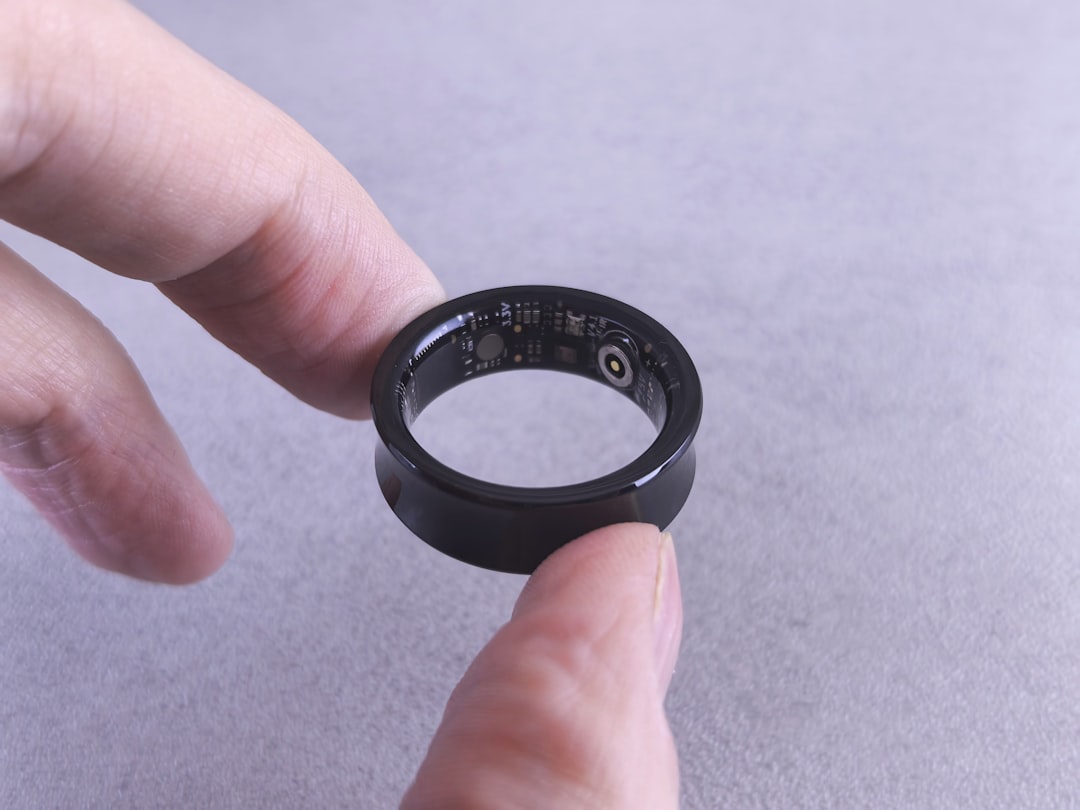
Hot flashes at 2 a.m., a resting heart rate that won’t settle, sleep that falls apart for no obvious reason — perimenopause and menopause symptoms are notoriously hard to pin down because they don’t show up on a schedule. A tracker that logs body temperature, heart rate variability (HRV), and sleep stages around the clock can turn a vague “I feel off” into a pattern you can actually act on, or bring to a doctor.
Table of Contents
This guide compares the wearables and apps built (or adapted) specifically for this transition, what each one actually measures, and how to pick the right one for the symptoms bothering you most — whether that’s hot flashes, sleep disruption, mood swings, or just wanting hard data for a hormone-therapy conversation.
Quick Answer
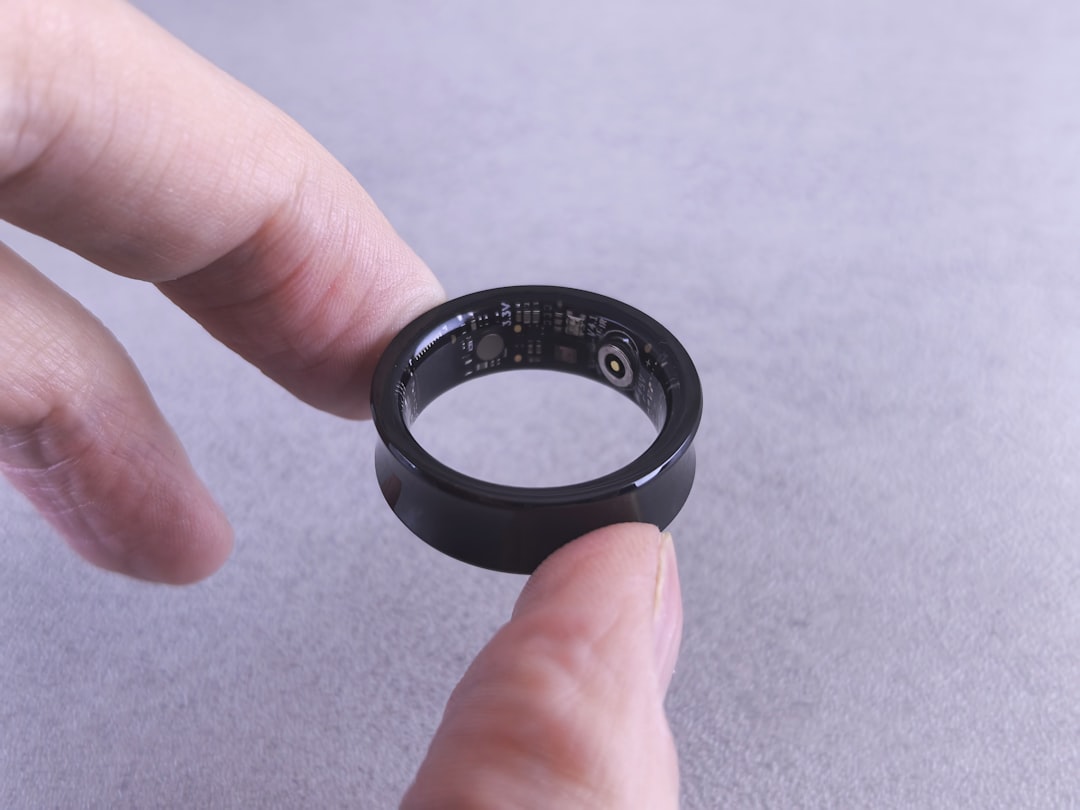
The Oura Ring is the best all-around pick for most people: it pairs dedicated Menopause Insights and Perimenopause Check-In tools with strong sleep, HRV, and skin-temperature tracking, all in a discreet ring. If you want a device built only for perimenopause symptom detection with no subscription, the Peri wearable is the more specialized choice; the Evie Ring is the best no-subscription option for women who also want cycle and vitals tracking.
The Top Trackers, Compared
Oura Ring: Oura added a Menopause Insights feature built around its Menopause Impact Scale (MIS), a questionnaire covering seven symptom categories — cognitive, sexual/genital, self-perception, musculoskeletal, sleep, vasomotor (hot flashes/night sweats), and urinary — available to members ages 35–60 on a Gen3 or newer ring. There’s also a shorter Perimenopause Check-In (a 2–3 minute, five-point severity survey) aimed at ages 35–55. Underneath both, the ring continuously tracks skin temperature trends, HRV, resting heart rate, sleep stages, and daytime stress, which is what lets it flag hormone-driven shifts before you consciously notice them. Hardware runs roughly $349–$499 depending on finish, plus a membership of $5.99/month or $69.99/year (often bundled free for the first year with a new ring).
Peri: Launched in 2026 by a Dublin-based team, Peri is a small sensor worn continuously under the breast (through exercise, sleep, and showering) and is purpose-built to detect and log the frequency and severity of hot flashes, night sweats, sleep disruption, and anxiety, then turn that into a symptom picture you can use to steer treatment decisions. It’s a one-time $449 purchase with no subscription, and it’s FSA/HSA eligible.
Evie Ring: At $269 with no subscription, the Evie Ring tracks heart rate, SpO2, sleep, and menstrual/cycle data, and is designed with an open, adjustable band that accommodates the hand-size changes some women notice during perimenopause. It’s a good fit if you mainly want cycle-length and sleep trends without committing to a monthly fee.
Whoop: Whoop’s Journal feature lets you toggle a perimenopause or postmenopause mode and log symptoms alongside its Recovery and Strain scores, so you can see how sleep hygiene or workout consistency actually moves the needle. It does not measure hormone levels directly — it infers changes from HRV, resting heart rate, and sleep data. Membership is required (WHOOP One at $199/year, Peak at $239/year, or Life at $359/year). Only the Life tier adds the WHOOP MG hardware, which includes an on-demand ECG feature (“Heart Screener”) that is FDA-cleared for AFib screening, and a separate Blood Pressure Insights tool. That Blood Pressure Insights tool is not FDA-cleared or authorized as a medical device — after an earlier FDA warning letter, the agency closed its enforcement action in mid-2026 under new general-wellness guidance for optical blood-pressure sensing, so WHOOP offers it as a wellness estimate rather than a clinical measurement. Whoop also sells an optional Women’s Health blood biomarker panel that adds lab-based hormone and thyroid data.
Natural Cycles (NC° Perimenopause): Not a wearable itself — it pairs a basal body thermometer with an app — but worth mentioning because its Perimenopause mode uses a dedicated algorithm (separate from its FDA-cleared birth-control algorithm) to make sense of the irregular cycles typical of this stage. It’s included in the standard subscription ($13.99/month or $106.99/year), so it’s a reasonable companion if you want cycle-specific insight alongside a fitness tracker’s broader data.
How to Actually Use One to Track Symptoms
Start with a baseline: wear the device continuously for at least two to three weeks before you start reading much into single-day numbers, since perimenopause symptoms are defined by variability over time, not one bad night. Log symptoms manually the moment they happen (hot flash, mood dip, brain fog) rather than relying only on passive sensors — the check-in surveys on Oura and the Journal entries on Whoop exist precisely because temperature and HRV sensors can’t tell you “I felt anxious at 3 p.m.” on their own.
Pay attention to skin/body temperature trend lines and overnight HRV dips together — a sustained shift in resting temperature combined with lower HRV is a common early signal of a hormonal transition, and most of these apps will chart both over weeks or months. Export or screenshot the trend reports before doctor visits; several of these tools (Oura’s Menopause Insights, Peri’s reports) are built to generate a shareable summary specifically for that conversation.
Tips and Common Mistakes
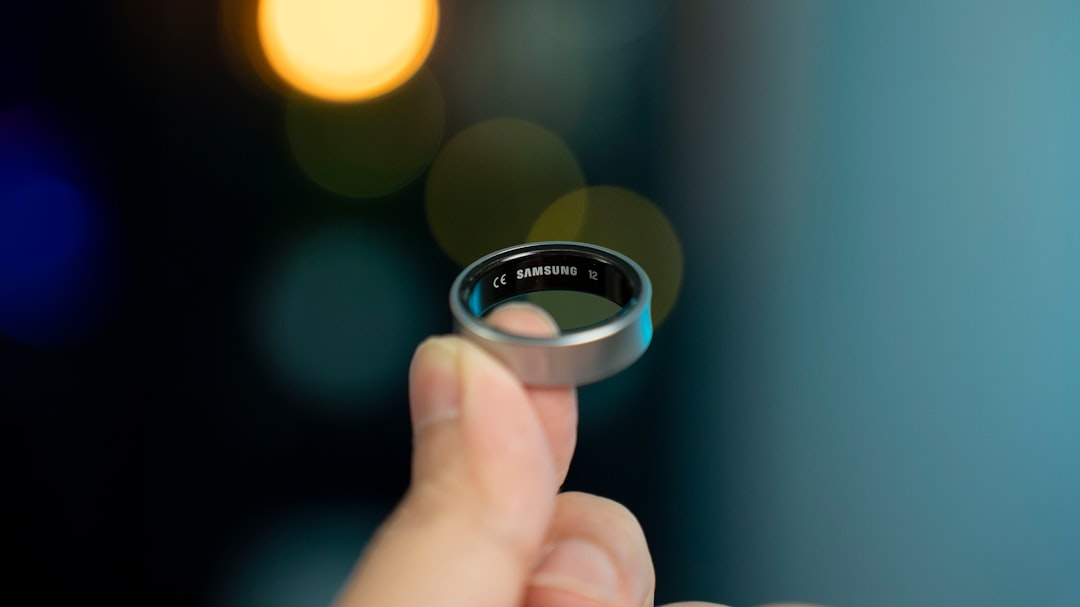
Don’t buy based on hardware price alone — factor in the subscription. An Oura Ring or Whoop looks cheaper up front than Peri’s $449 flat price, but a year or two of membership fees can close that gap or flip it. If you specifically want zero ongoing cost, Peri and Evie Ring are the only options here without a subscription.
Don’t expect any wrist- or finger-worn tracker to measure hormone levels directly — none of them do. They infer hormonal shifts from downstream signals like temperature, HRV, and sleep architecture, which is useful for spotting patterns but isn’t a lab test. If you need actual hormone numbers, look at add-ons like Whoop’s blood biomarker panel or a clinician-ordered panel, and treat the wearable data as context, not diagnosis.
Check the age and eligibility gates before you buy for a specific feature — Oura’s Menopause Insights currently requires a Gen3-or-newer ring, an active membership, and a profile set to female or other, and its Perimenopause Check-In targets ages 35–55, so a hand-me-down older ring or an out-of-range profile setting can quietly lock you out of the feature you bought it for. Similarly, don’t assume every hardware feature on a premium tier is clinically cleared: on WHOOP’s Life plan, the on-demand ECG (Heart Screener) is FDA-cleared, but the bundled Blood Pressure Insights tool is explicitly not FDA-cleared or authorized as a medical device — treat any blood-pressure numbers it produces as a wellness estimate, not a medical reading.
Explore more: more fitness and wearable tech guides.
Best Fitness Tracker for Perimenopause and Menopause FAQs
Can a fitness tracker actually detect perimenopause?
Not directly — no consumer wearable measures hormone levels. But by tracking skin temperature, HRV, resting heart rate, and sleep over weeks, devices like Oura and Peri can surface patterns (rising temperature variability, dropping HRV, fragmented sleep) that commonly line up with the hormonal shifts of perimenopause, which is useful for spotting the transition and documenting symptoms.
Is the Oura Ring or Whoop better for menopause symptom tracking?
Oura has built dedicated, named features for this (Menopause Insights with the Menopause Impact Scale, and Perimenopause Check-In) plus continuous temperature tracking, making it the more purpose-built option. Whoop covers symptom logging through its Journal feature and pairs well if you’re already focused on training/recovery, but it doesn’t track skin temperature the way Oura does.
Is WHOOP’s blood pressure feature FDA-approved?
No. WHOOP’s Life plan includes an FDA-cleared on-demand ECG feature (Heart Screener) for AFib screening, but its separate Blood Pressure Insights tool is not FDA-cleared or authorized as a medical device. The FDA had issued WHOOP a warning letter over this feature, then closed its enforcement action in mid-2026 after new general-wellness guidance for optical blood-pressure sensing — so any blood-pressure figures WHOOP shows should be treated as a wellness estimate, not a clinical reading.
Do I need a subscription to track menopause symptoms with these devices?
It depends on the device. Oura and Whoop both require an ongoing membership to access most features. Peri ($449) and the Evie Ring ($269) are one-time purchases with no required subscription.
Make Your Digital Life Better
More practical tech how-tos, tool picks, and guides to upgrade your everyday digital life. More on GTWebs.
Photo by Andrey Matveev on Unsplash.