

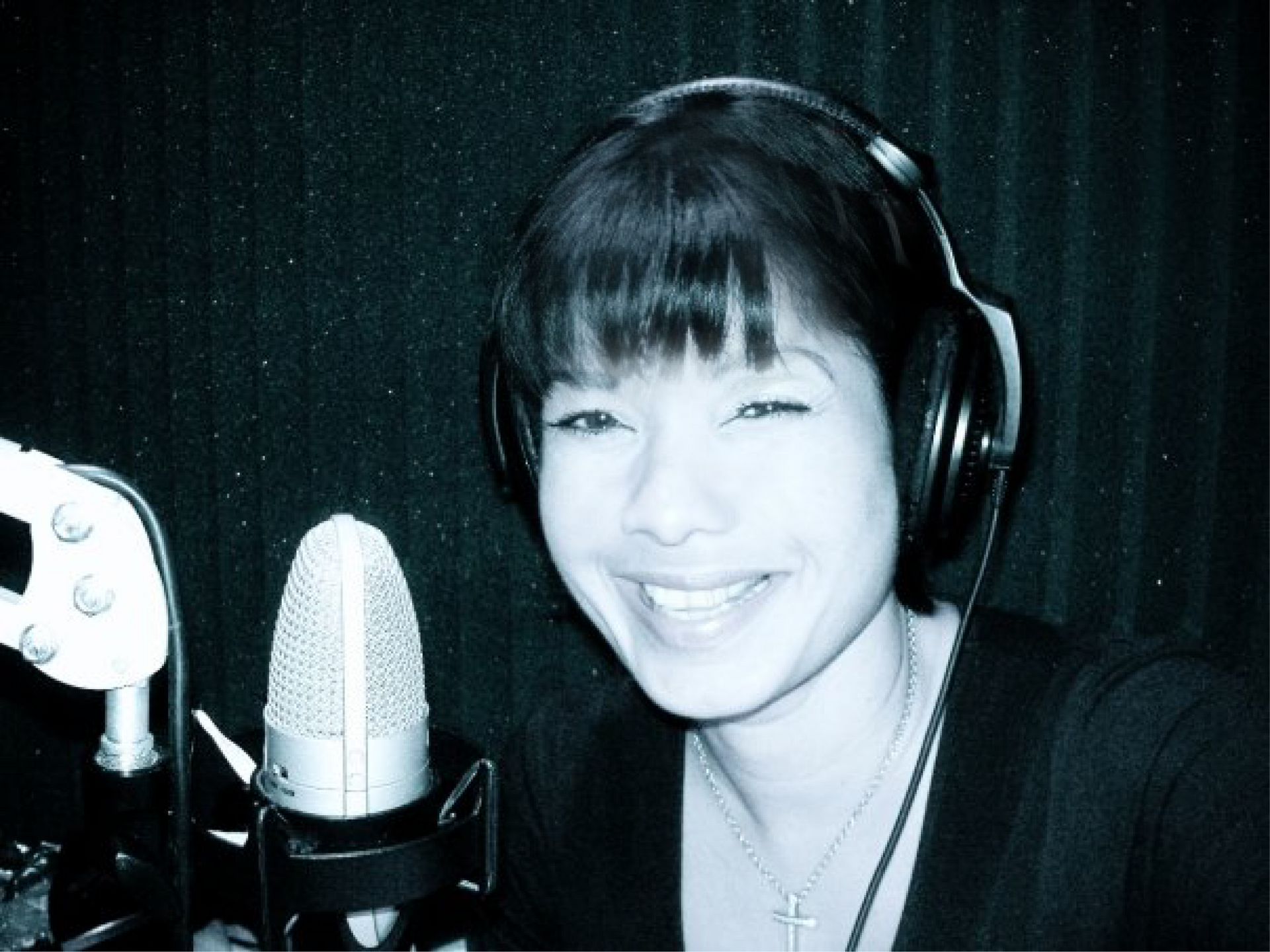
You hit play on a voice memo and wince: is that really what I sound like? It’s one of the most universal small shocks in daily life, and almost everyone assumes something is wrong with the microphone or their own ears. Neither is true.
Table of Contents
The gap between the voice in your head and the voice on the recording comes down to basic physics of how sound travels, plus a bit of psychology about how your brain builds a self-image. Here’s what’s actually happening, and why the recorded version is the one everyone else has heard all along.
Quick Answer
When you speak, you hear your voice through two paths at once: sound waves traveling through the air to your ears, and vibrations traveling directly through the bones of your skull to your inner ear. A recording only captures the air-conducted sound, which is thinner and higher-pitched than what you’re used to. The bone-conducted portion, which boosts the lower frequencies and gives your voice its familiar richness, never reaches the microphone.
The Two Pathways Sound Takes to Your Ears
Air conduction is the pathway everyone else uses to hear you: your vocal cords vibrate, that vibration moves air molecules, and the sound waves travel through the room and into someone’s ear canal. It’s exactly how a microphone hears you too.
Bone conduction is the second, private pathway. As your vocal cords and throat vibrate, some of that vibration transfers directly through the bones and tissue of your skull straight to your inner ear (cochlea), bypassing the air and your outer ear entirely. Because bone conducts vibration efficiently, this pathway carries extra low-frequency energy.
Every time you talk, your brain blends both signals into one voice. That blend is deeper and fuller than the air-conducted signal alone, so it’s the voice you’ve heard in your own head for your entire life.
A microphone, whether it’s built into your phone, a podcast mic, or a recorder, sits outside your skull. It can only pick up the air-conducted sound waves. It has no way to capture the bone-conducted vibrations, so the recording plays back only the thinner, higher-pitched half of what you’re used to hearing.
Why It Feels So Jarring, Not Just Different
The frequency difference explains the sound, but not the discomfort. That comes from a mismatch between your internal self-image and external reality, sometimes called the self-confrontation effect. You’ve built decades of expectations about your own voice from the blended, bone-and-air version, so hearing the air-only version can feel like listening to a stranger, even though it’s the exact voice your friends, coworkers, and audiences hear every day.
There’s also a familiarity effect at play: people generally find repeated, familiar things more pleasant, and your recorded voice is comparatively unfamiliar to you even though everyone else finds it perfectly normal, because they’ve heard it that way all along.
None of this means the recording is distorted or that something is wrong with your voice. Aside from mic quality and room acoustics (which do add their own coloration), the recorded voice is a faithful capture of the sound that leaves your mouth and travels through the air.
Tips / Common Mistakes
Don’t assume a ‘bad’ recorded voice means you need to change how you speak; what you’re hearing is closer to reality than your internal perception, not a flawed version of it. Many people report that the shock fades with repeated exposure, since listening to more recordings of yourself (podcasts, voice memos, video calls) gradually updates your self-image.
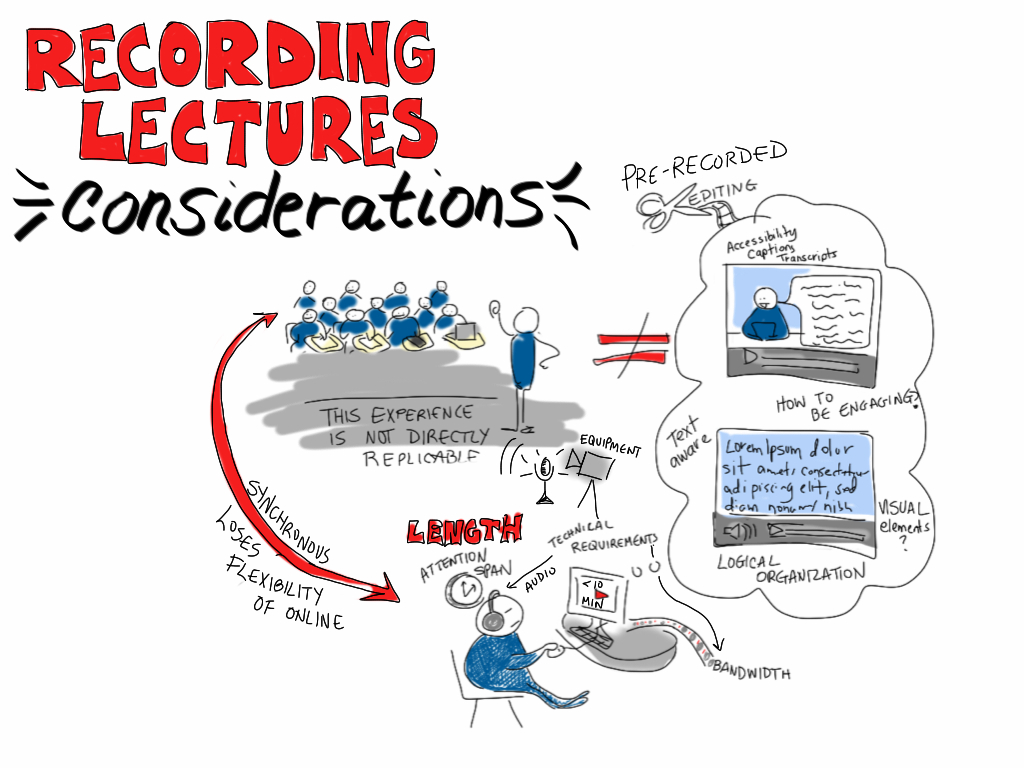
If you want a cleaner recording, focus on things you can control: use a decent microphone at a consistent distance, record in a room with soft furnishings to reduce echo, and speak at a steady volume rather than trying to ‘fix’ your pitch, since the perceived pitch difference is mostly about the missing bone conduction, not your actual speaking voice.
One thing to actually watch for: if your voice itself changes suddenly or your speaking voice sounds hoarse, strained, or noticeably different to other people (not just to you on a recording), that’s a different issue and worth mentioning to a doctor or an ear, nose, and throat (ENT) specialist, since it can be a sign of vocal cord irritation or other treatable conditions.
Explore more: More science explainers.
Why your voice sounds different on a recording FAQs
Is my recorded voice or my “head voice” the real one?
The recorded voice is what everyone else actually hears when you talk, because they only receive the air-conducted sound waves, the same thing a microphone picks up. The voice in your head includes extra bone-conducted bass that only you experience.
Why does my recorded voice sound higher-pitched than I expect?
Bone conduction boosts lower frequencies as vibrations pass through your skull to your inner ear. A recording misses that boost entirely, so the air-conduction-only version sounds thinner and higher by comparison, even though the pitch you’re actually producing hasn’t changed.
Will I ever get used to hearing my own recorded voice?
Many people find the reaction softens with repeated exposure, since the discomfort is largely a mismatch between an ingrained self-image and reality rather than an actual defect in the recording. Listening to yourself more often (recordings, calls, videos) tends to close that gap over time.
Make Your Digital Life Better
More practical tech how-tos, tool picks, and guides to upgrade your everyday digital life. More on GTWebs.
Photo: Dionnejsf / CC0, via Wikimedia Commons.