


AI agents are transforming how we interact with technology in 2026, moving beyond simple chatbots into autonomous systems that can reason, plan, and take action on your behalf. Unlike traditional AI models that respond to a single prompt, AI agents can break down complex goals into steps, use tools, browse the web, write code, and iterate until the job is done. Understanding AI agents is essential for anyone working in tech today.
Table of Contents
What Makes AI Agents Different From Chatbots?

A chatbot responds to one message at a time. An AI agent operates more like a virtual employee — give it a goal, and it figures out the steps to get there. The key difference is autonomy. AI agents can decide which tools to use, when to search for information, and how to adjust their approach when something goes wrong.
For example, if you ask a chatbot to “find me flights to Tokyo,” it gives you a text response. If you ask an AI agent the same thing, it might search multiple airline sites, compare prices, check your calendar for conflicts, and book the best option — all without you lifting a finger.
How AI Agents Work Under the Hood
AI agents are built on large language models (LLMs) like Claude by Anthropic or GPT by OpenAI, but they add critical layers on top:
- Planning: The agent breaks a complex task into subtasks and determines the order of operations
- Tool use: AI agents can call APIs, run code, query databases, browse websites, and interact with external services
- Memory: Agents maintain context across multiple steps, remembering what they’ve already tried and learned
- Reflection: Advanced agents evaluate their own output and retry if the result doesn’t meet the goal
- Orchestration: Multi-agent systems assign different AI agents to different subtasks, working in parallel
The Model Context Protocol (MCP) developed by Anthropic is emerging as a standard for how AI agents connect to external tools and data sources, making it easier to build agents that interact with real-world systems.
Real-World Applications of AI Agents in 2026
AI agents are already being deployed across industries:
- Software Development Coding agents like Claude Code and GitHub Copilot Workspace can implement features, fix bugs, write tests, and submit pull requests with minimal human oversight. Developers describe what they want, and the AI agent handles the implementation across multiple files and systems.
- Customer Support AI agents handle complex support tickets by accessing customer databases, checking order status, processing refunds, and escalating to humans only when necessary. Companies using AI agents for support report 40-60% reduction in resolution time.
- Research and Analysis Research agents can read hundreds of documents, synthesize findings, identify patterns, and produce structured reports. Legal, medical, and financial firms are adopting AI agents to accelerate research workflows that previously took weeks.
- DevOps and Infrastructure AI agents monitor systems, diagnose issues, and execute remediation steps automatically. When a server goes down at 3 AM, an AI agent can identify the root cause, apply a fix, and generate an incident report before anyone wakes up.
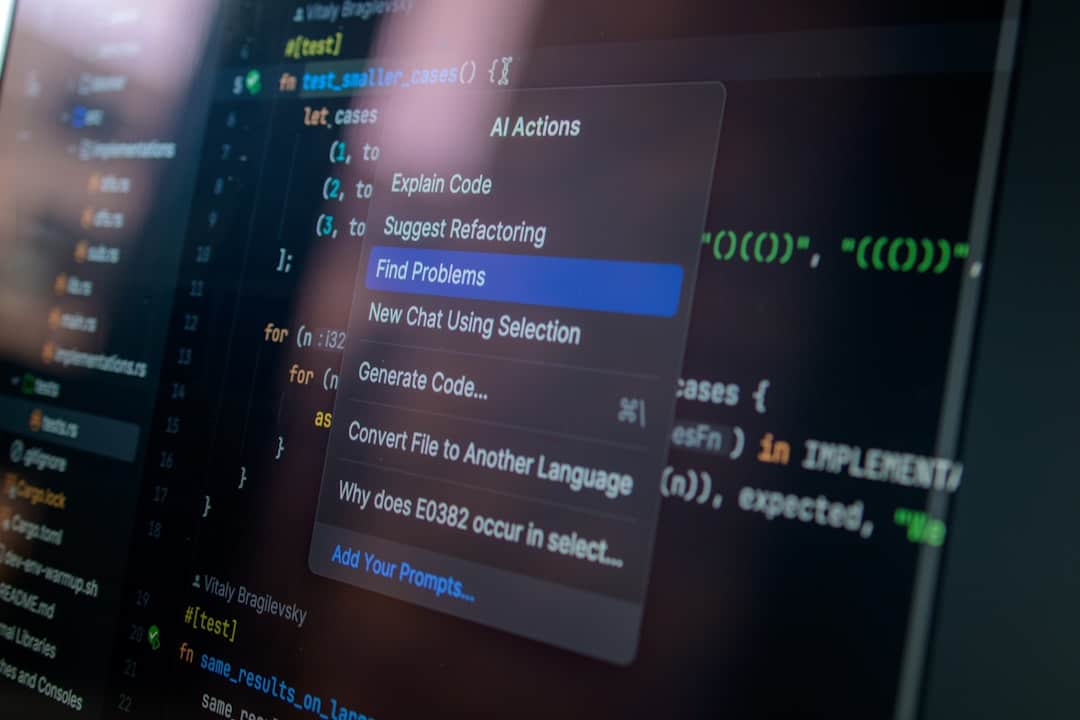
The 5 Levels of AI Agent Autonomy
Not all AI agents are created equal. The industry generally recognizes five levels of autonomy:
- Level 1 — Assistants: Respond to direct prompts, no tool use (basic chatbots)
- Level 2 — Copilots: Suggest actions and help execute them with human approval at each step
- Level 3 — Semi-autonomous agents: Execute multi-step tasks with human oversight at key checkpoints
- Level 4 — Autonomous agents: Complete complex goals independently, checking in only when stuck
- Level 5 — Fully autonomous agents: Operate continuously, managing workflows and making decisions without human intervention
Most production AI agents in 2026 operate at Level 2-3. Level 4 agents are emerging in controlled environments, and Level 5 remains largely theoretical for general-purpose applications.
Challenges and Risks of AI Agents
AI agents introduce new challenges that the tech industry is actively working through:
- Reliability: Agents can compound errors across multiple steps if early reasoning goes wrong
- Security: Agents with tool access need careful permission boundaries to prevent unintended actions
- Cost: Multi-step agent workflows consume significantly more compute than single-prompt interactions
- Hallucination propagation: A single hallucinated fact early in the chain can contaminate downstream decisions
- Accountability: When an agent makes a mistake, determining responsibility gets complicated
The OWASP Top 10 for LLM Applications provides a security framework that’s increasingly relevant as AI agents gain more capabilities and access.
How to Get Started With AI Agents
If you’re a developer or tech professional, here’s how to start working with AI agents:
- Try existing agent tools — Claude Code, ChatGPT with plugins, and Cursor are accessible starting points Read our AI Coding Assistant article here!
- Learn about tool use and function calling — this is the foundation of how AI agents interact with external systems
- Explore frameworks — LangChain, CrewAI, and the Anthropic Agent SDK provide building blocks for custom agents
- Start small — build an agent for one specific workflow before attempting general-purpose automation
- Prioritize safety — implement approval gates and permission boundaries from day one
AI agents represent the biggest shift in how we use computers since the smartphone. The technology is moving fast, and understanding AI agents now puts you ahead of the curve as these systems become the default interface between humans and software.
Frequently Asked Questions
What is an AI agent?
An AI agent is an autonomous AI system that can reason, plan, use tools, and take multi-step actions to accomplish complex goals. Unlike simple chatbots that respond to single prompts, AI agents break down tasks, execute steps independently, and adjust their approach based on results.
How are AI agents different from chatbots?
Chatbots respond to individual messages with text. AI agents operate autonomously — they can use tools, browse the web, write code, call APIs, and execute multi-step workflows to complete complex tasks with minimal human oversight.
Are AI agents safe to use?
AI agents require careful implementation of safety measures including permission boundaries, human oversight checkpoints, and error handling. Most production agents in 2026 operate with human approval at key decision points rather than fully autonomous operation.
What are the best AI agent platforms in 2026?
Leading AI agent platforms include Claude Code by Anthropic, GitHub Copilot Workspace, ChatGPT with tool use, and frameworks like LangChain, CrewAI, and the Anthropic Agent SDK for building custom agents.