

In today’s fast-moving digital world, speed and adaptability matter more than ever. Companies aren’t just looking for websites that look good—they need platforms that grow with them, adapt to new technologies, and keep performance strong as demands increase. That’s where modular web design comes in.
Table of Contents
What is Modular Web Design?
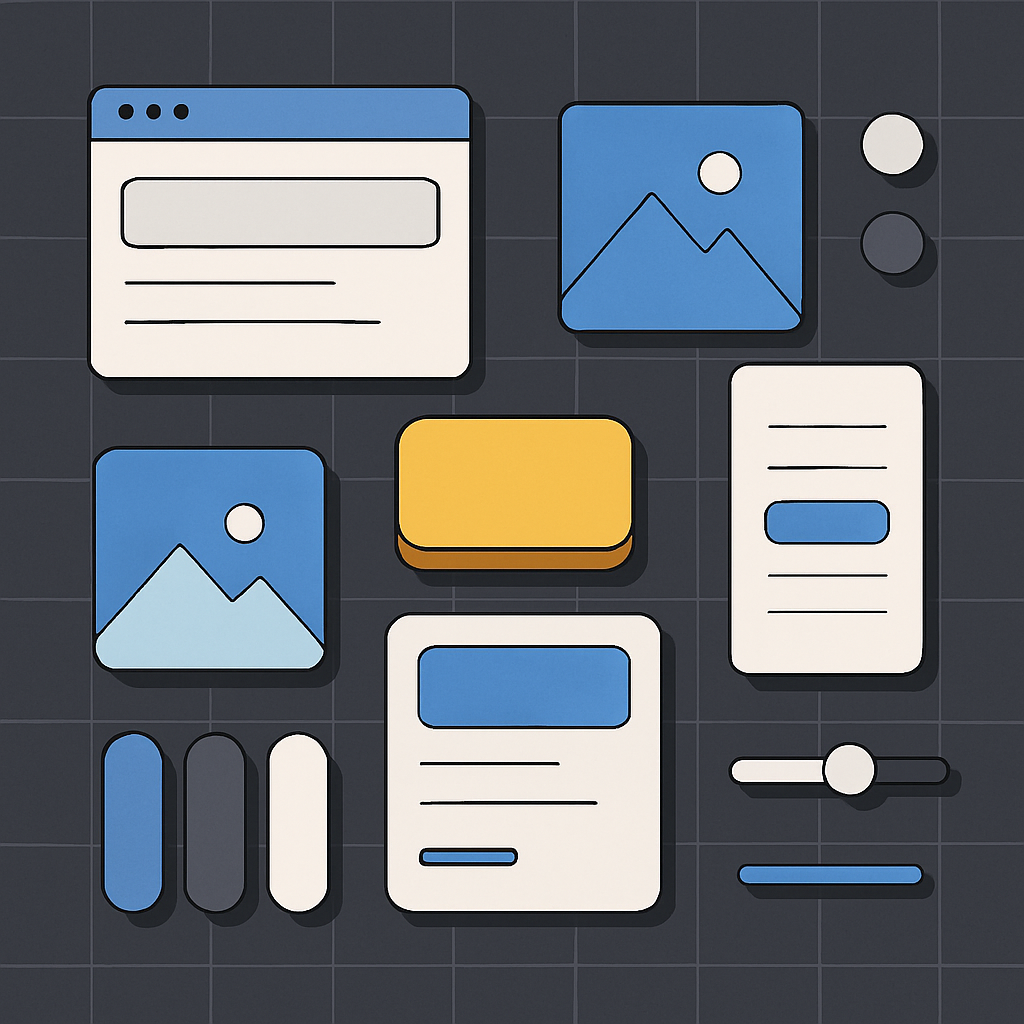
At its core, modular design is about building websites like Lego sets. Instead of creating one rigid structure, developers craft reusable components—headers, cards, buttons, navigation blocks—that can be rearranged and scaled as needs change. This approach makes it possible to update designs, launch new features, or pivot strategies without tearing everything down.
Why It Matters
- Scalability – As businesses expand, their websites need to keep up. Modular systems allow for seamless growth without slowing down development cycles.
- Consistency – Reusable modules ensure branding, UX, and accessibility remain consistent across every page.
- Performance – Clean, component-based code reduces bloat and improves site speed, which directly impacts SEO and user experience.
- Future-proofing – With technology shifting rapidly, modular frameworks make it easier to integrate new tools and platforms.
Real-World Applications
Many modern frameworks and CMS platforms have already embraced this philosophy. From WordPress block-based editing to component-driven JavaScript libraries like React, the web is shifting toward building in pieces rather than monoliths. The result: faster rollouts, cleaner design systems, and a better experience for end users.
👉 Takeaway: If you’re planning your next digital project, think modular. It’s not just a trend—it’s the foundation of sustainable, future-ready design.
What Modular Web Design Actually Means
Modular (or component-based) design builds a site from reusable building blocks rather than bespoke one-off pages. The core ideas:
- Reusable components – buttons, cards, and sections built once and reused everywhere.
- Design systems – shared tokens for color, spacing, and typography keep everything consistent.
- Faster iteration – update a component once and it changes site-wide.
- Easier scaling – new pages assemble from existing parts instead of starting from scratch.
Modular front-ends also make it easier to hit performance targets — see our web performance optimization techniques.
FAQs
What is modular web design?
An approach that builds websites from reusable, self-contained components and a shared design system rather than custom one-off pages.
Why is modular design better for scaling?
Because new pages are assembled from existing components, and a single component update propagates everywhere automatically.